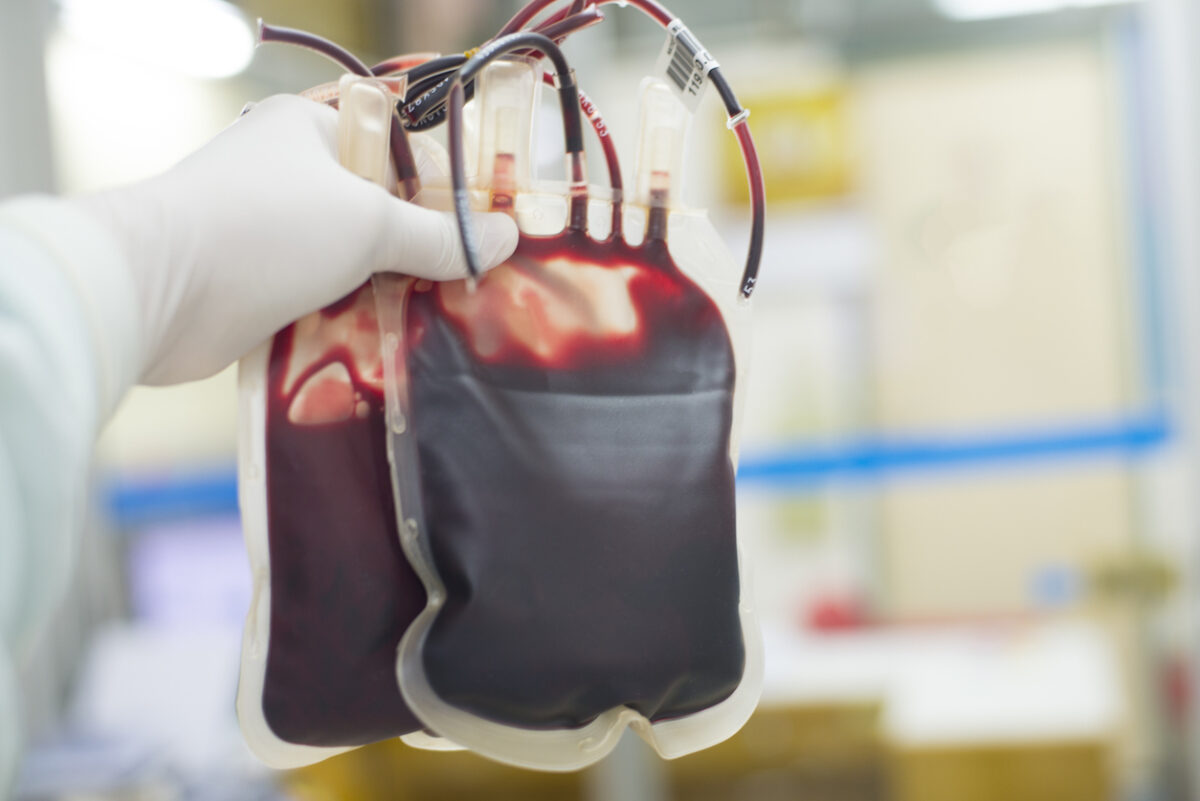

There is a significant association between living with the hepatitis C virus and suffering from overactive bladder syndrome (OAB), according to a study published in the journal BMC Urology.
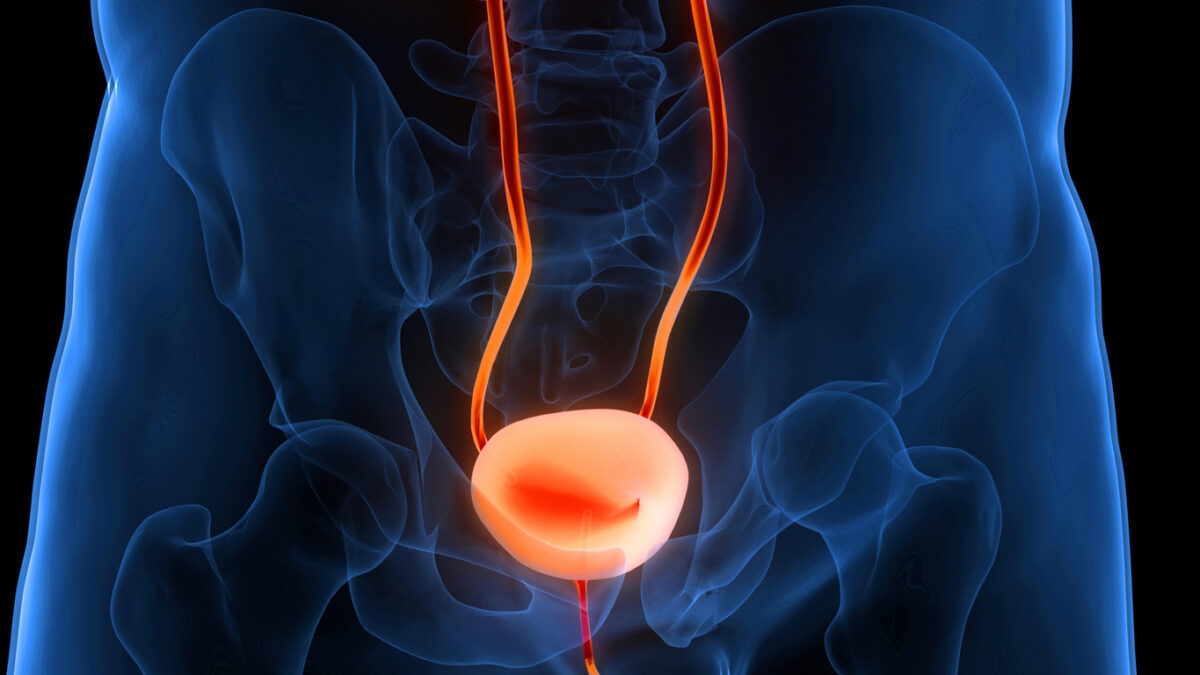
The bladder has a muscle which contracts to empty the bladder when it is full. An overactive bladder means the bladder contracts before it is full. Someone with OAB usually finds that it sometimes contracts when they are not ready. They might have go to the toilet very often, and can also find it hard to hold on until they get there. At times they may also leak urine on the way to the toilet.
Understandably, people with an overactive bladder might feel self-conscious. That can cause them to keep away from others or to limit their work and social life. OAB has clinically significant impacts on quality of life, sleep quality, and mental health. Recent research has also shown that OAB in women is independently associated with increased all-cause mortality and cardiovascular mortality.
Consistent Link
Yiming Ding, from the Urology Department of China’s Southeast University, led a research team which analysed data from the CDC’s U.S. National Health and Nutrition Examination Survey over a six-year period (before the CDC was gutted by Trump and its data gathering compromised) to examine the association between HCV and OAB in adults.
Data were included for 14,012 patients aged between 20 and 80. A significant correlation was observed between HCV and OAB. Furthermore, results from subgroup analyses and interaction tests
further demonstrated that this association remained consistently stable across various demographic characteristics, including age, gender, race, PIR, smoking, alcohol consumption, and the presence of hypertension or diabetes.
To mitigate confounding effects, propensity score matching was employed in this study. Results from the propensity score-matched analysis also confirmed the positive
correlation between HCV and OAB.

Possible causes
Though the study clearly establishes the predictive value of HCV infection for OAB and identifies high-risk populations, providing concrete evidence for clinical screening, it does not show how the two illnesses are connected. The researchers do have a number of theories, however:
- HCV can cause systemic inflammation, which other research has shown to be a contributing factor in the development of OAB.
- The liver is closely linked to the immune system, and HCV infection causes chronic hepatic dysfunction, thereby compromising the body’s immune barrier function and creating a favourable environment for bacterial infection around the bladder.
- Studies indicate that hepatitis viruses can invade the nervous system. By compromising spinal nerves, they may disrupt bladder sphincter function, leading to urinary incontinence symptoms.
- Studies have confirmed an association between HCV infection and insulin resistance, while substantial evidence indicates a correlation between OAB and something called metabolic syndrome (METS), which induces damage to the bladder wall and bladder neck, thereby precipitating OAB.
Get Cured
Because of OAB can cause profound, life-limiting problems for the people who are forced to live with it, its connection with hepatitis C needs to be investigated further. It also offers yet another reason for people living with hepatitis C to take that next step for your health and get cured as soon as possible.

Last updated 12 August 2026
More from:
Enjoyed this article? Subscribe to be notified whenever we publish new stories.
Subscribe for Updates