
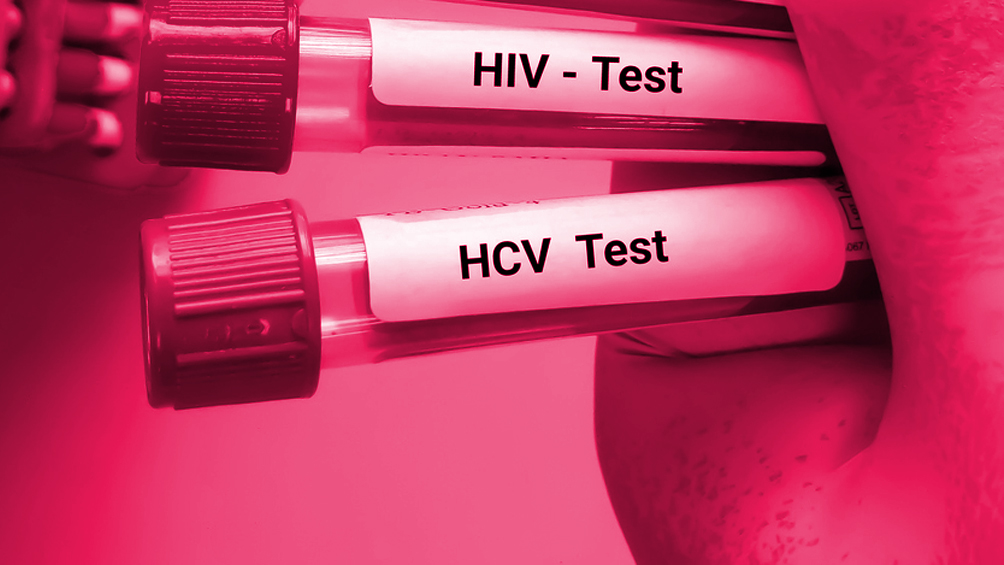
One of the big mysteries in the research on an HIV cure might have its explanation in hepatitis C.
It’s seen as the greatest challenge in HIV (human immunodeficiency virus) research–why does the virus so persistently remain in the body despite treatment? Two researchers at the Immunopathology Research Theme at the Centre de recherche du CHUM (CRCHUM) in Canada, might have found the answer.
Their research, published in August in The Lancet eBioMedicine journal, shows that hepatitis C may contribute to the formation of reservoirs in the body where HIV can remain hidden for long periods, making it impossible to completely eliminate the virus. This is notable because, compared with people without HIV, the odds of HCV infection in people with HIV are six times higher, globally, due to their common nature as blood-borne viruses, transmitted in similar ways (and sometimes simultaneously). Estimates vary, but in the United States, for example, it is estimated that 62% to 80% of people who inject drugs and who have HIV have also been infected with HCV.
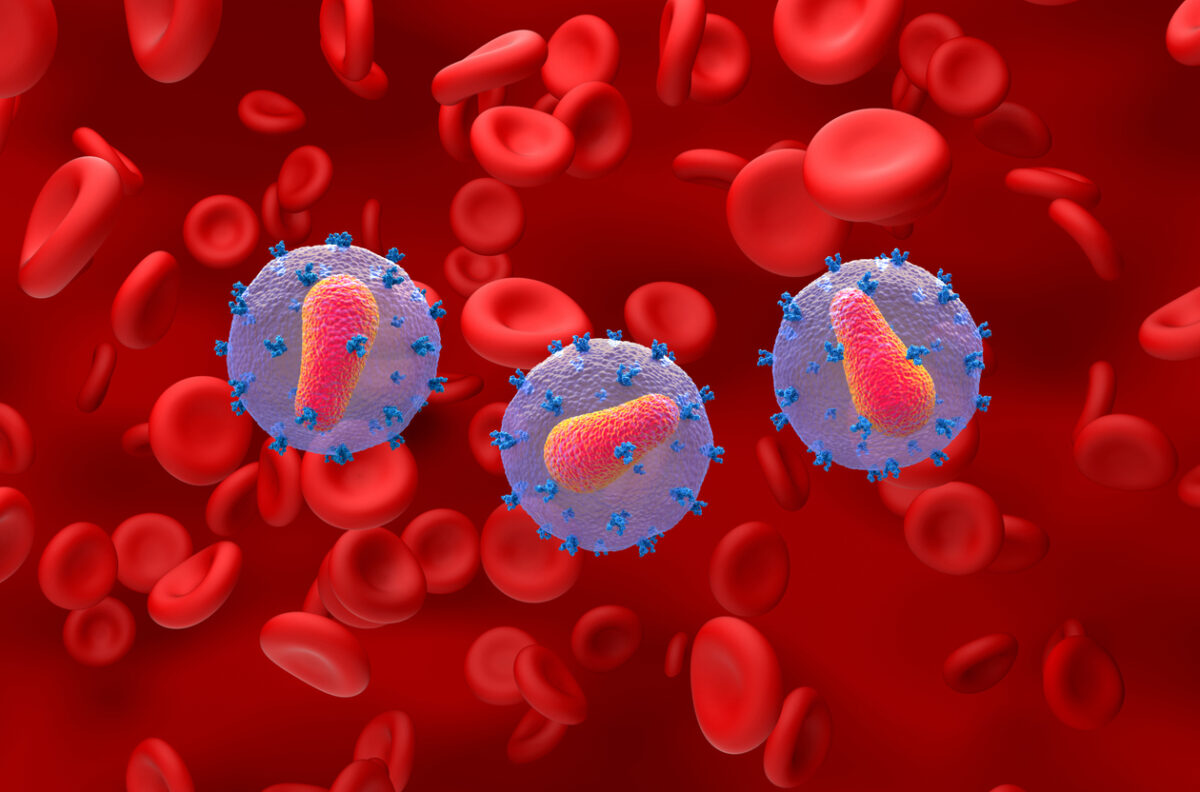
Professors Naglaa Shoukry and Petronela Ancuta and their research teams showed in their study that in people living with hepatitis C infection, certain immune cells become more vulnerable to HIV infection. These cells produce higher levels of CCR5, a protein on the surface of white blood cells that HIV is able to use as an entry point to infect the body. Shoukry and Ancuta found that the higher the amount of hepatitis C virus in the blood, the more susceptible these cells appear to be to HIV.


Even after hepatitis C has been cured, and despite effective antiretroviral therapy against HIV infection, traces of HIV still persist in these cells.
The study suggests that these cells may play an important role in maintaining viral reservoirs, one of the main barriers to completely eliminating the HIV. It also complicates what we know about HCV/HIV coinfection, since being cured of hepatitis C may not completely resolve some of the virus’s long-term effects on the body’s immune system where HIV is concerned.
Professors Shoukry and Ancuta note a couple of limitations to their research, such as a limited number of study subjects and the fact that they were working with blood samples, rather than examining live liver cells taken from the subjects.
But by identifying the mechanisms that allow the virus to hide and survive over the long term, this research means that we should now be moving closer to a goal that has been pursued for decades: an effective, lasting cure for HIV.
Last updated 20 September 2026
More from:
Enjoyed this article? Subscribe to be notified whenever we publish new stories.
Subscribe for Updates