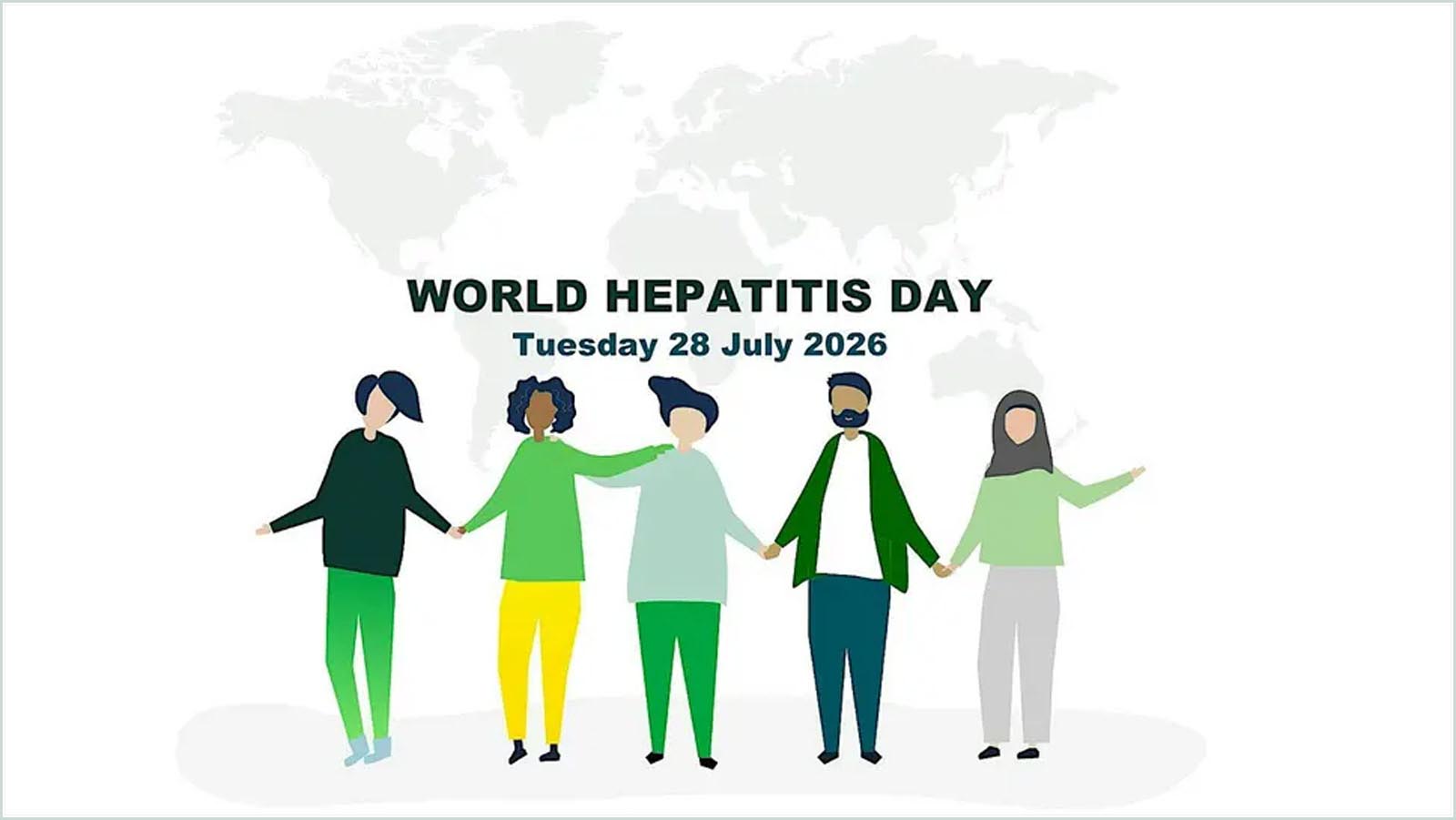
This Hepatitis B Voices Australia (HBVA) event for World Hepatitis Day 2026 proved to be an evening of insights and thoughtful discussions. The forum was held in partnership with the WHO Collaborating Centre for Viral Hepatitis.
Participants included people who provide hepatitis B care, those who carry out research in the field, and people who live with hepatitis B and who receive care.
Tempered Hope
The sense of hope was there, as expressed by the organisation’s Co-Founder, Nafisa Yussf, who spoke of the huge shift brought to the community by the hepatitis C cure, and the hope that the hepatitis B community hold for the same.
Nonetheless, that hope is on a leash. Associate Professor Thomas Tu, another HBVA Co-Founder, spoke of the need to temper expectations. While treatment has been developed that could achieve functional cure, there remains a need to beware of hype, as trial results showed success for only 25 per cent of participants. A/Prof Tu pointed out, however, that there appeared to be no adverse effects for the remaining 75 per cent who did not achieve functional cure.
He also warned of promises of a cure by some traditional herbalists, many, if not all, of which are very likely hoaxes.
…waiting lists for regular hepatitis B monitoring can be as long as three years.
The System
There was extensive discussion on whether the current system will be able to support demand if or when a hepatitis B cure happens. It was pointed out that waiting lists for regular hepatitis B monitoring can be as long as three years.
Panel member, Prof Ben Cowie, Director of the WHO Collaborating Centre for Viral Hepatitis, said healthcare providers currently don’t have crucial information on hospital waiting lists and availability of services, information which are needed to make the most appropriate referrals. This has resulted in an imbalance between demand and availability, and people falling through the cracks.
Building peer leadership in the hepatitis B community requires more work and more time. The same time frames cannot be applied, yet that is often what funders and policy-makers expect.
It was also pointed out by speakers and participants that there is a need for peer support to help community members navigate the health system, and also for peers to be at the table participating in decision-making.
Some believe that was the key which contributed to the success of HIV health strategies, and perhaps for hepatitis C too, and the same approach is needed for hepatitis B.



Peers and Diversity
HBVA Co-Founder, Lien Tran, who spoke from the floor, stressed the need to recognise the difference between the diverse hepatitis B community and the predominantly Anglo-Australian HIV community. Building peer leadership in the hepatitis B community requires more work and more time. The same time frames cannot be applied, yet that is often what funders and policy-makers expect.
Speaking along the same lines, Kelly Hosking, a public health researcher who worked with the highly successful Hep B PAST program in the Northern Territory (see issue 108), pointed out that their impressive results were achieved through 17 years of work, slowly building relations with the community.
[Telehealth] is an answer for those with busy lives who need only simple reviews …
Both primary care givers and specialists at the forum spoke of the advantages of offering Telehealth as an option for regular monitoring. It is an answer for those with busy lives who need only simple reviews as it could save them hours of travel and sitting in the GP waiting room. It is also an answer for people living in regional or remote communities where access to healthcare is limited.
Costs
Other participants who live with hepatitis B raised issues around cost which can be prohibitive, especially for those not on Medicare, and whose health insurance cover may be limited in relation to hepatitis B testing and treatment.
A primary healthcare provider said there some free services are available, such as a pathology service which offers free hepatitis B testing, and it was important to make such information available and provide support to people to access these services.
The general feeling was that a hepatitis B cure may be on the horizon—at least a functional cure—but much has to be done to improve the system: help people stay healthy so that they can benefit from the cure when it happens, and have efficient, adequate structures to deliver the new treatment to those who need it.
A link to the forum recording will be provided here once it becomes available.
Last updated 24 September 2026
More from:
Enjoyed this article? Subscribe to be notified whenever we publish new stories.
Subscribe for Updates