

There has been a lot of talk about a functional cure for hepatitis B. What exactly does that mean? And how does that affect someone who’s living with chronic hepatitis B? Most of the information in this post was presented by Associate Professor Thomas Tu at a recent World Hepatitis Alliance (WHA) webinar.
Hepatitis B is inflammation of the liver caused by the hepatitis B virus (HBV).
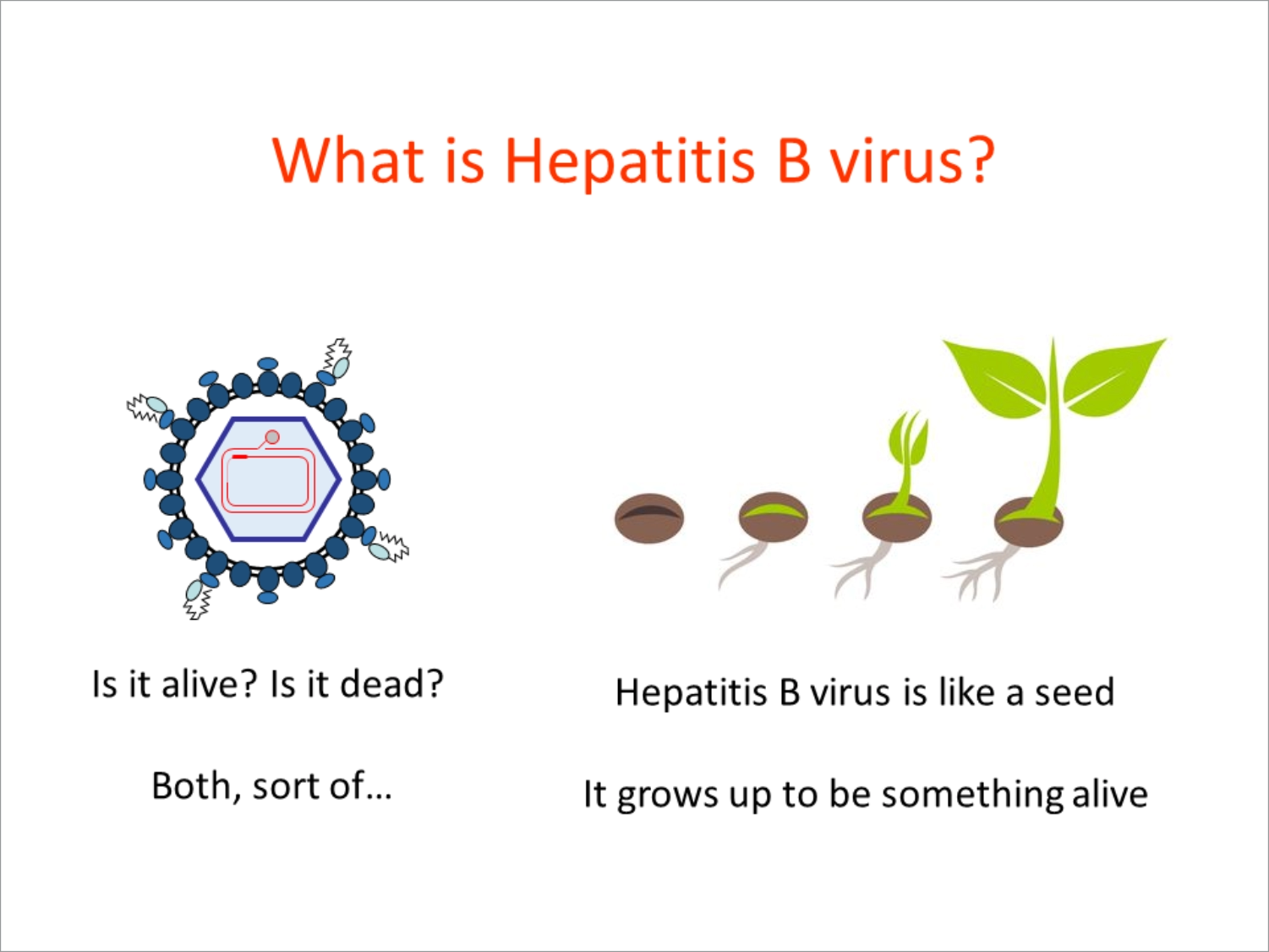
Viruses straddles that space between living and non-living. They don’t convert food into energy or reproduce by themselves. Yet, like a seed, given the right environment and conditions, they survive, replicate and multiply in numbers.
As far as viruses go, the hepatitis B virus is a stubborn one – notoriously hard to get rid of completely. This is because the virus inserts its DNA into the nucleus of the host liver cell, hiding from the body’s immune system.
Chronic Hepatitis B
Nine out of ten adults infected by hepatitis B are able to clear it naturally within six months. The numbers are reversed for children where only one in ten infected, can clear the virus and the remaining nine go on to have chronic hepatitis B.
For people who clear the virus naturally, even though the hepatitis B DNA remains in the host liver cells, the virus is dormant, in other words, it is inactive and doesn’t make copies of itself.
An infection is considered chronic (i.e. long-term) if the virus is still detected in the blood after six months.
The Cycle
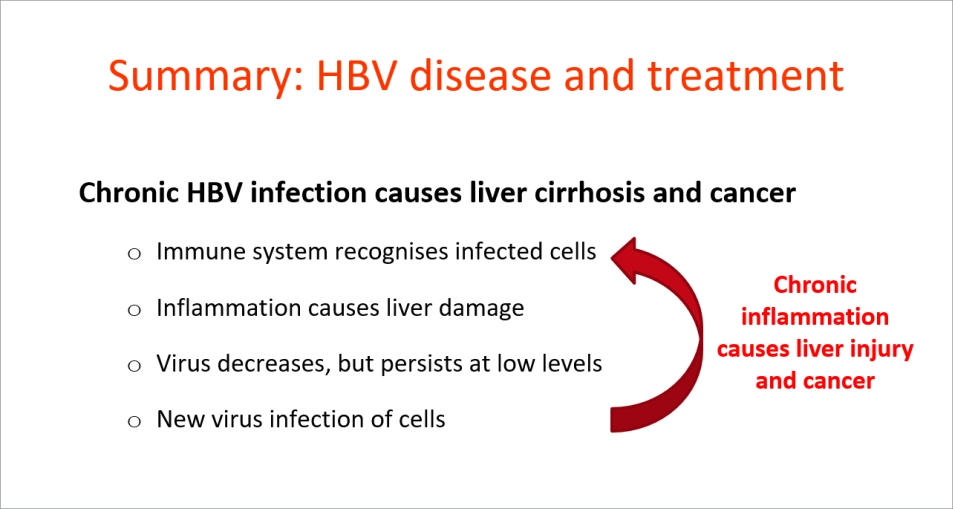
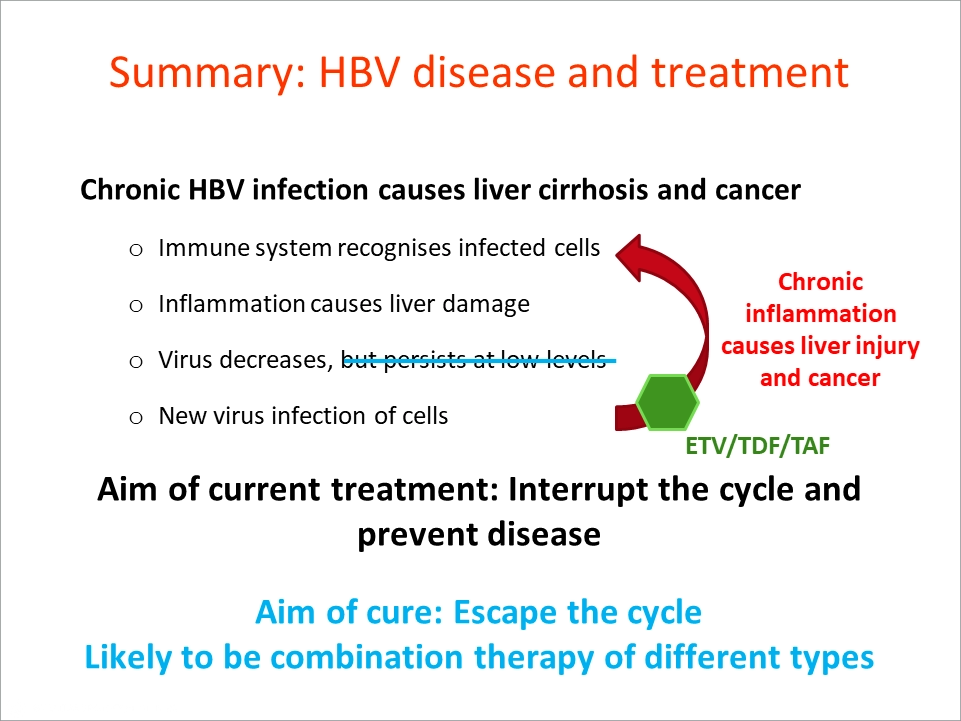
Chronic hepatitis B goes through stages where the immune system recognises the infected cells, becomes active and reduces the level of virus in the body. As a result of reduced level of virus, the immune system quietens down. This slowing down of the immune system then allows the remaining virus cells to become active and start making copies again.
The increase in the number of infected cells then reaches a level where the immune system kicks in again, starting another cycle of inflammation and liver damage, increasing liver cirrhosis and the risk of liver cancer.
Current treatments
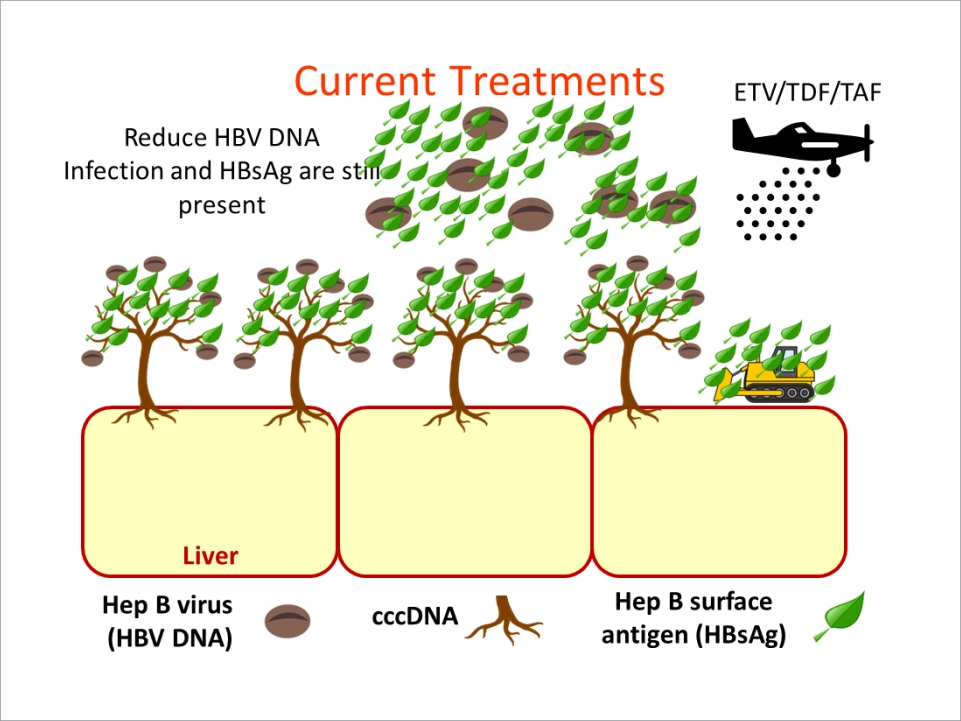
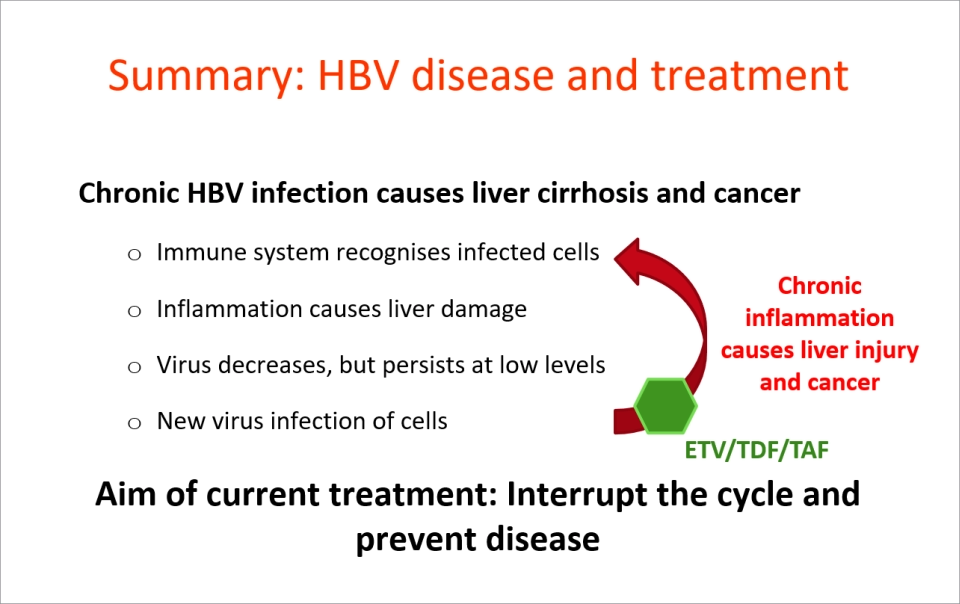
Current treatments for chronic hepatitis B reduce viral replication and keeps viral load low. With lower level of virus, liver damage (cirrhosis) slows down and this reduces the risk of developing liver cancer. For most people, it is a lifelong treatment.
Current treatment is akin to a crop duster spraying “pesticides” to stop the growth of the seeds. But it doesn’t do anything to the virus already there. This form of treatment stops new cells from being infected but the infection is still present. If treatment stops, the virus will spread again.
Drawbacks of these therapies:
- Stopping treatment may cause the hepatitis B virus to reactivate and result in liver cirrhosis or cancer
- Some people experience side-effects that affect their quality of life
- Transmission can still occur and this could result in anxiety, and discrimination
- These treatments cannot completely eliminate the risk of liver cancer
- For low-income countries and communities, the cost of ongoing treatment can be an unaffordable burden.
Given these limitations, researchers have been working on new ways of treating chronic hep B including options which can achieve functional cure.
A functional cure aims to break the cycle of viral activity, immune response and liver damage. It is achieved when the hepatitis B virus is inactive and suppressed even though it remains in the liver. There is no reactivation (except under very strong immune suppression), no disease progression and no chance of transmission to others.
A functional cure is a finite treatment that gets someone living with hepatitis B to the same state as someone who has naturally cleared the virus. A person is considered functionally cured when hepatitis B surface antigen and DNA cannot be detected for more than six months after treatment.
What’s in the pipeline?
What treatment are being developed? And how close are we to getting them? According to a WHA briefing paper, treatments currently being worked on for hepatitis B functional cure can be grouped into two streams:
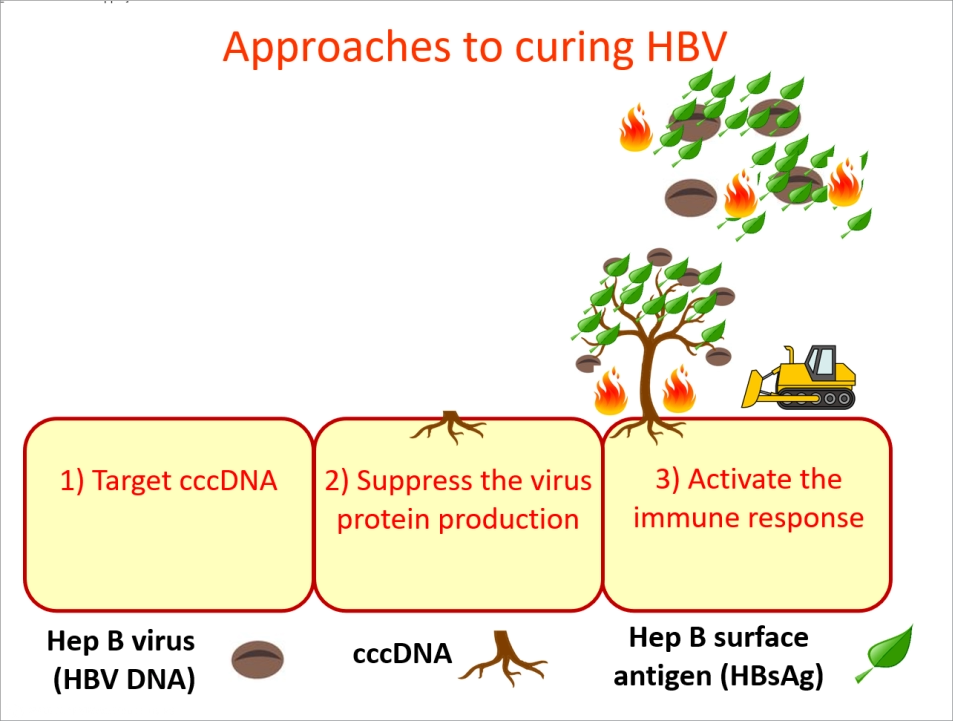
- those which directly target the virus, and
- those that target the immune system.
The final solution or product is likely to be a combination of both.
Target the virus
Approaches that target the virus include:
- shutting down the hep B DNA to stop it replicating
- gene editing,
- Changing how the virus assembles itself,
- small interfering RNA (siRNA) that suppress the virus proteins
One of the siRNA treatments, currently in Phase III and under review in a number of countries, is set for distribution in China which has the highest number of hepatitis B cases in the world. It will presumably be available as soon as approvals come through.
Target the immune system
Therapies that work on the immune system include using vaccines or modifiers that wake up the immune system and the T cells to attack the hepatitis B virus, and the engineering of new T cells to target hepatitis B.
Find out more
For more detailed information, watch this recording of a webinar which includes the easy-to-understand presentation which provided the illustrations for this article.
Another way to stay informed is to join the online Hepatitis B Community (https://hepbcommunity.org) where you can get information about studies, surveys and drug trials, and where a forum of experts answer your questions about test results and you can get support from others going through the a similar lived experience.
To keep tabs on the latest development in hepatitis B therapies, follow the Hepatitis B Foundation’s drug watch.
Last updated 18 June 2026
More from:
Enjoyed this article? Subscribe to be notified whenever we publish new stories.
Subscribe for Updates