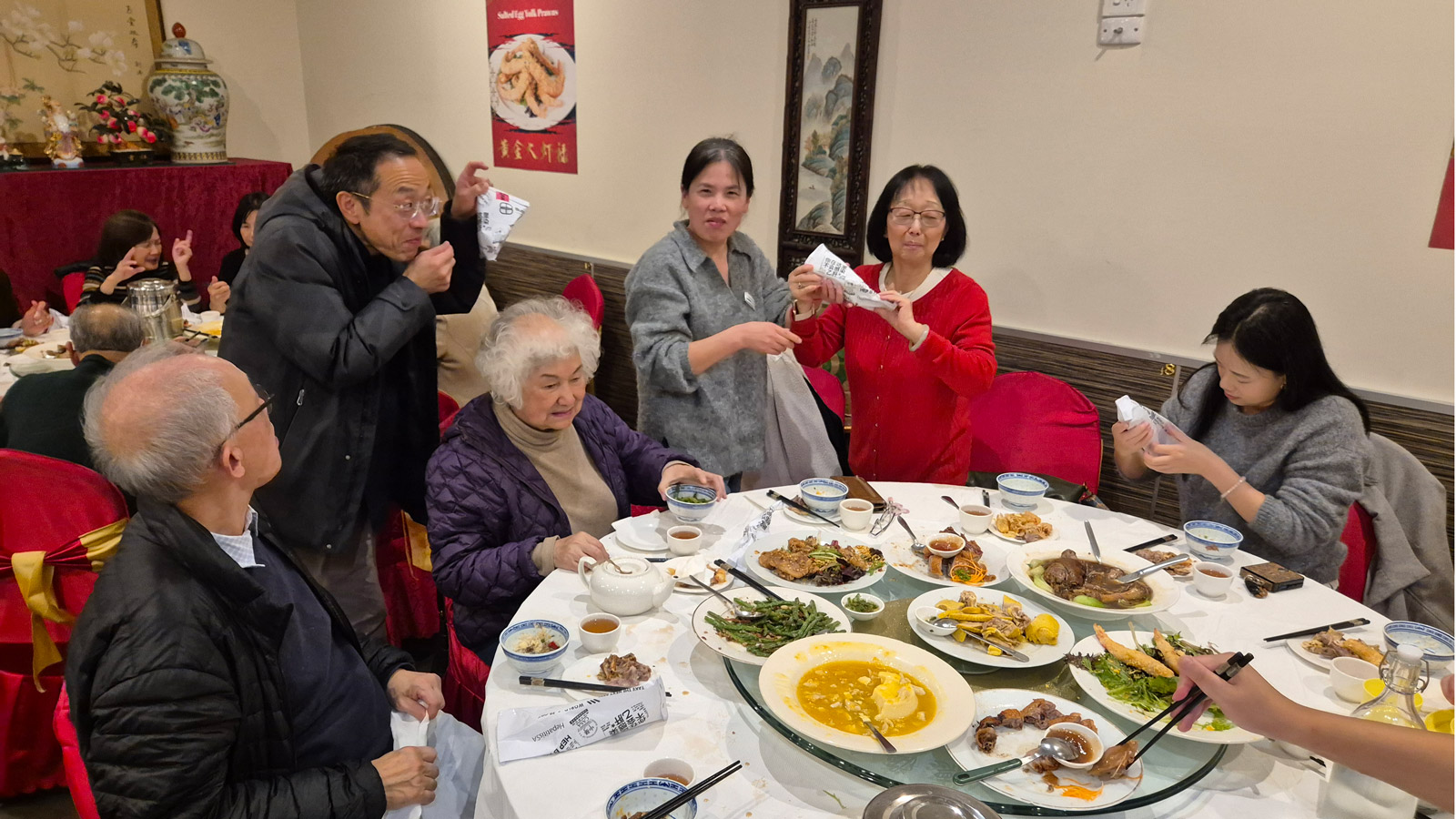
From the Dragon Boat Festival to the Mid-Autumn celebrations, the You Can’t Get Hep B Here campaign in South Australia was festive, fun and engaging. With the support of local groups and individuals from the community, Hepatitis SA engaged directly with 194 people, and achieved a reach of over 5000 on social media.
The South Australian part of the campaign was managed by Hepatitis SA with a grant from the Burnet Institute. It used not only tried and true approaches but also explored new ways of getting messages out to target communities.
Community ambassadors
Rather than buying paid advertising, Hepatitis SA decided to trial the strategy of having individuals from local Vietnamese and Chinese communities act as social media ambassadors and share campaign messages through their community networks.
So, in addition to sharing the campaign’s content on Hepatitis SA’s official accounts, community members were recruited through direct contact or recommendations from partner organisations, to share the content through their individual social media networks. These were trusted individuals who were active within their communities on social media platforms including Facebook, WeChat, and WhatsApp.
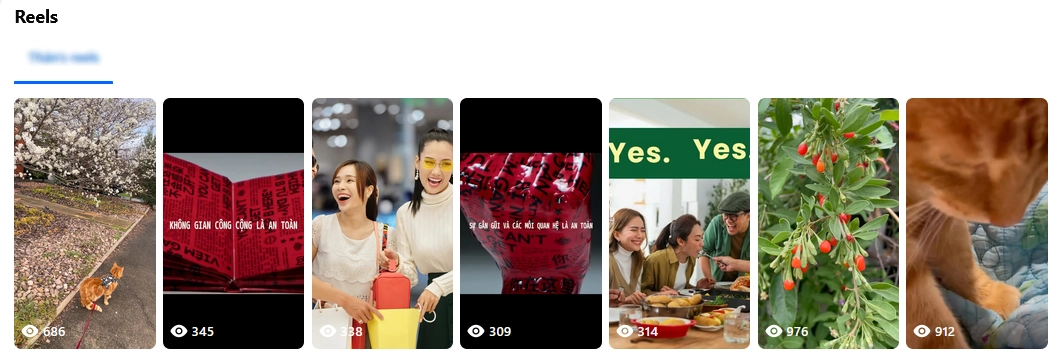
The success of this strategy was due in no small part to the support of partner organisations. Community Access and Services SA (CAASSA) introduced us to a socially active staff member, three members of the Chinese Association of South Australa (CASA) Health & Well-being group volunteered to promote the campaign messages, and the Chinese Welfare Services (CWS) generously gave permission for a worker to personally share campaign messages with the organisation’s social networks.
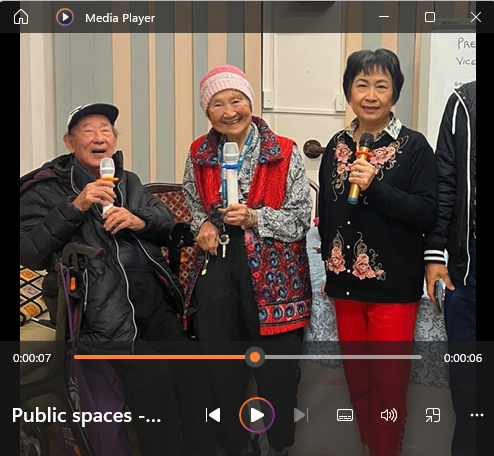
The community ambassadors were provided with a range of content including videos and still images with campaign messages. Promotion on social media kicked off on 28 July, World Hepatitis Day, with a video on food sharing i.e. You can’t get hep B from sharing food.
Launching the first of a series of messages around a significant day made it easier for the community ambassadors to introduce the topic of hepatitis B.
The food sharing message was then followed by the rest of the themes: that you can’t get hepatitis B from everyday displays of affection like touching, hugging, kissing and that public spaces like swimming pools and toilets are not hepatitis B transmission risks.
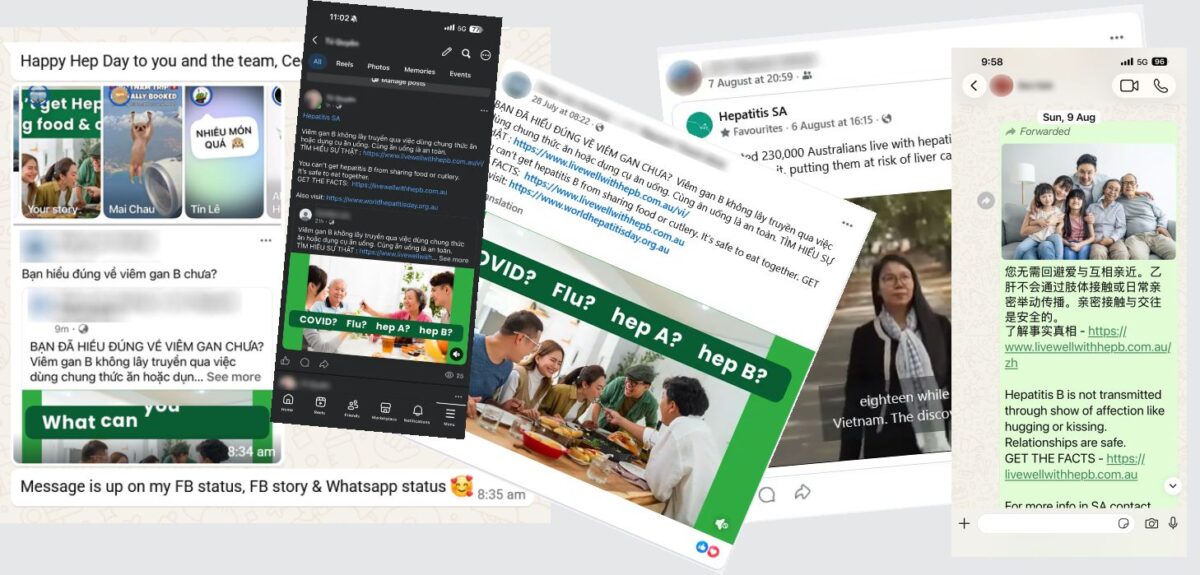
The ambassadors were not compelled to share all of the provided content. They could pick and choose the images or videos they preferred and share them with networks or individuals for whom they think the visuals were relatable.
One person created a reel from a campaign video, replacing the background music with the cheery Enjoy This Time Together. That reel received over a 100 views on the first day. Not astronomical but pretty good by Hepatitis SA’s humble standards.
Festivals and Chats
In terms of activities, the we took advantage of community celebrations, starting the campaign in June when we saw opportunity in a Dragon Boat Festival dinner organised by CASA for their members, their families and friends.
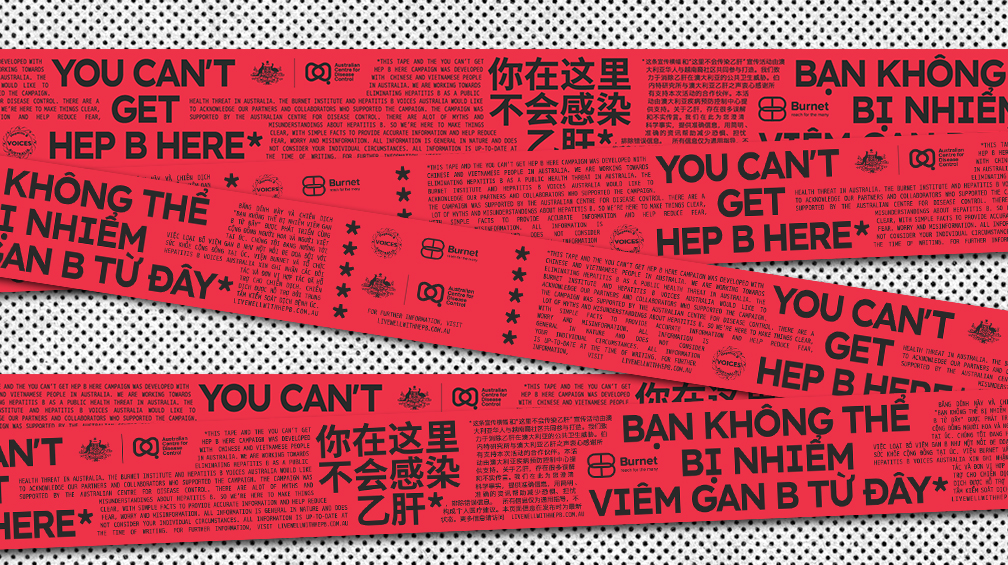
Taking a leaf from the national campaign’s quirky playbook, we distributed zongzi (rice dumplings) wrapped with red tapes similar to those in the national campaign ads. The improvised tapes were not as slick as real tapes but just as red and served their purpose. The unusual presentation of this traditional festive fare generated questions, providing opportunities for discussions.
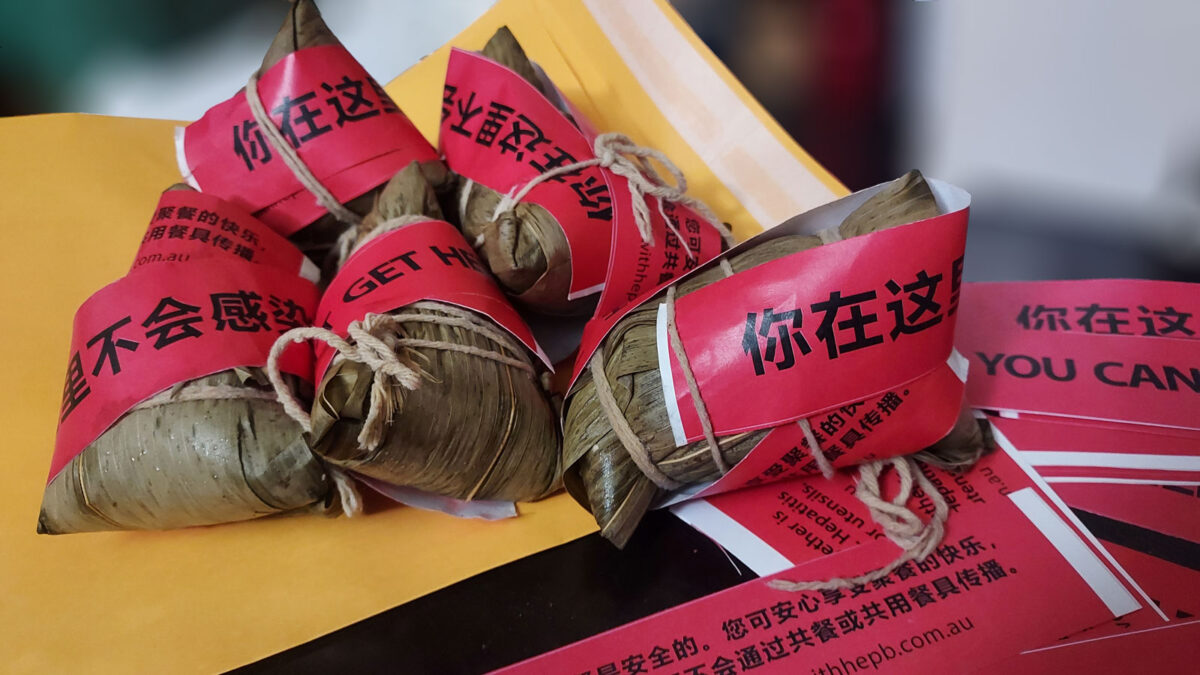
Bi-cultural Viral Hepatitis Nurse, Bin, volunteered to attend the event, help distribute the zongzi and answer questions. To facilitate conversations around the campaign messages, and to explain the quirky tapes around the dumplings, participants were each given a mini bi-lingual leaflet with information derived from the campaign website emphasising the point that eating together is safe.
In August, a Q&A lunch session was conducted with a Women’s Social Group at CAASSA. This group is made up of newly arrived Vietnamese Women to provide them with a social outlet. The group facilitator also acted as interpreter.
Questions from participants came thick and fast, even before educator Jen could begin her presentation. What was planned as an hour-long presentation, ended up being 40 minutes of Q&A, followed by the screening of some videos in language.
The questions from the group were varied, from one woman disclosing her previous hepatitis C infection, to another person who wanted to know why one of her friends living with hepatitis B took medication and the other didn’t.
They also asked lots of questions around transmission and vaccination. The Q&A covered all the content that would normally be covered in a presentation and was a really fun way to run a session.
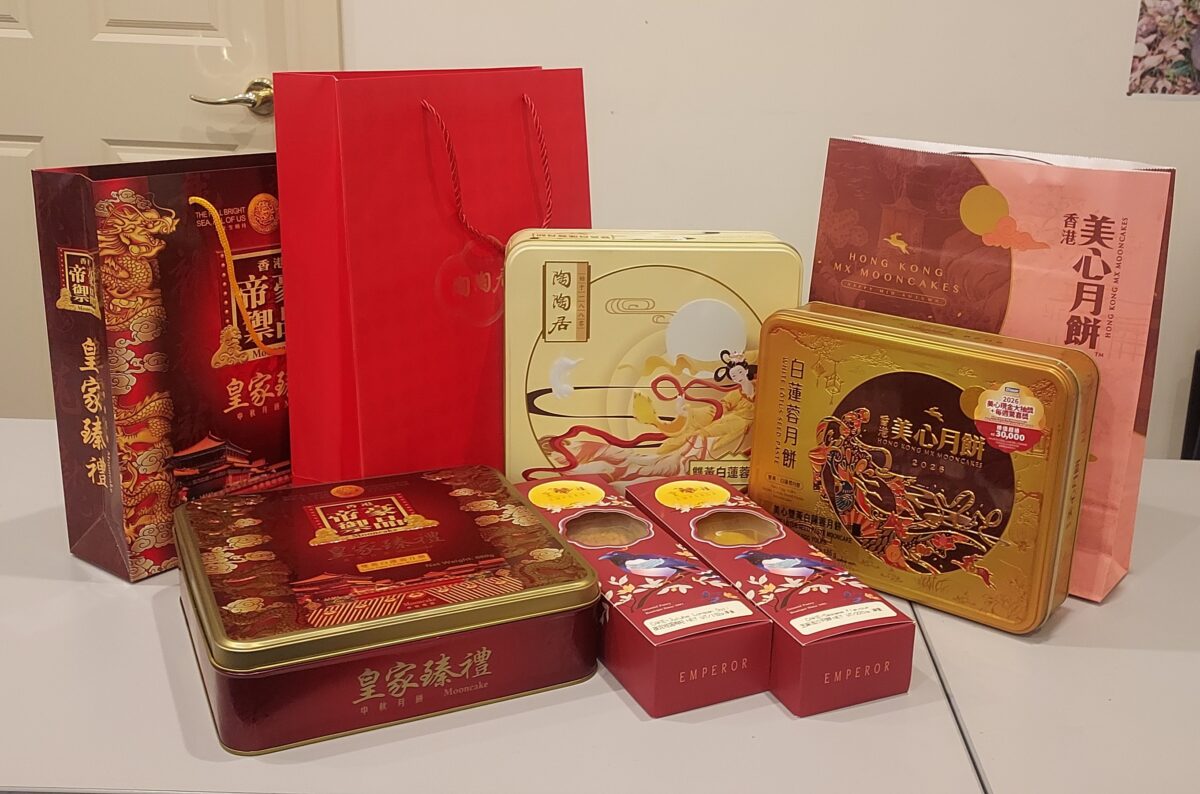
In September, campaign activities were highlighted by that delicious Mid-Autumn Festival icon: moon cakes. Participants at a second education session with the Vietnamese community were delighted to share in some liver-friendly, gluten-free cakes, delivered in campaign-branded boxes, and to each take home as a gift, a little moon cake.
In addition to hepatitis B basics, delivered in English and Vietnamese, participants at the session, hosted by Acclaim Community Care, received bi-lingual information packs with information on transmission, vaccination, testing and treatment, as well as key messages from the You Can’t Get Hep B Here campaign.
One aunty told us she knew very little about hepatitis B before this, and there were some keen questions about getting access to vaccinations.
Starting young
To get the message out to families, Hepatitis SA contacted three community language schools offering them an information-based quiz activity with prizes of—you’ve guessed it—fabulous awarding-winning moon cakes!
The schools could choose to share the key information and a quiz sheet via their internal communication systems, or have Hepatitis SA representatives present information live to teachers, students and parents followed by a live quiz-draw. Or they could varying combinations of the two options to suit their specific circumstances.
Two schools responded. The CASA Chinese Ethnic School took the activity onboard, managing the process directly. School council members handed out bi-lingual information and quiz sheets, emailed reminders to parents and teachers, collected the entry forms and conducted the prize draw out of all-correct entries. They received 23 entries from the school community of 30 families; only one did not get all the answers correct.
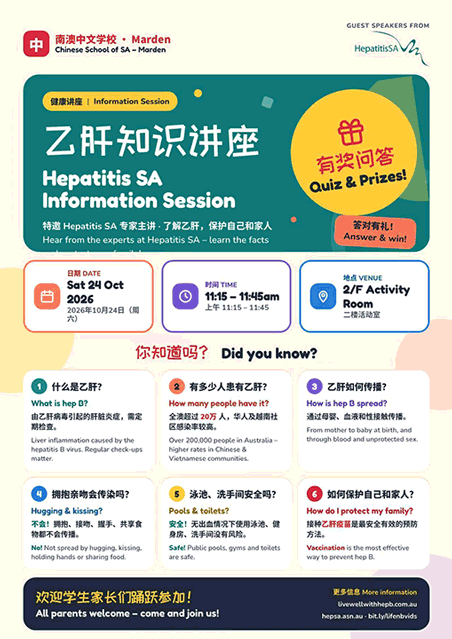
Chinese School of SA on the other hand, requested an information session for all students from years three to nine, together with teachers and parents. The school prepared and shared on its social media network, promotional information based on key campaign messages.
The plan is to have a bi-lingual viral hepatitis nurse on hand to answer questions following a short presentation. Information sheets and quiz forms will be distributed for on-the-spot submission, followed by the prize draw. This event is due to take place at the end of October.
Last updated 21 October 2026
More from:
Enjoyed this article? Subscribe to be notified whenever we publish new stories.
Subscribe for Updates