A day after Australians received their first national AusAlert test on 27 July, hepatitis organisations throughout the country were putting out a warning of their own on 28 July World Hepatitis Day: do something about hepatitis, the leading cause of liver cancer.
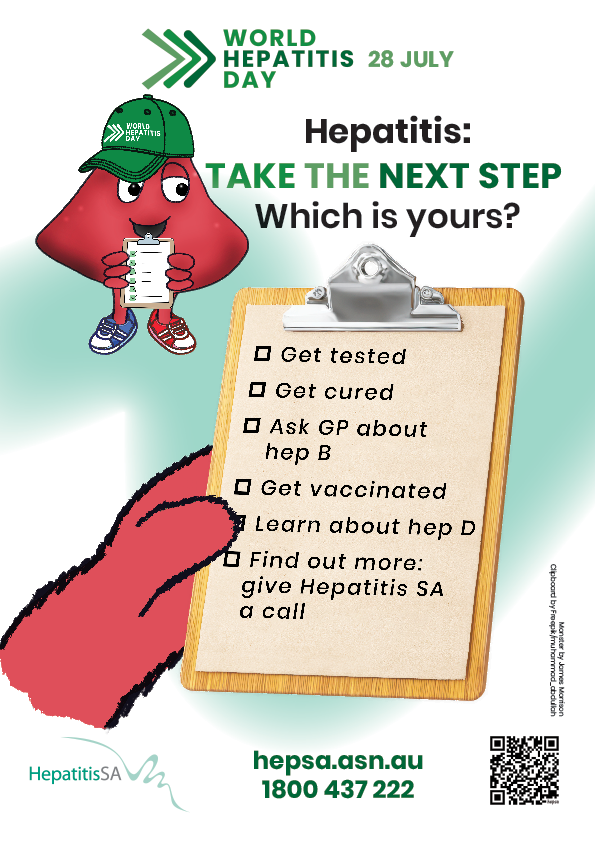
Hepatitis SA, along with sister organisations interstate, stepped up engagement activities with community and partner organisations using the opportunities to drive the message home. The 2026 World Hepatitis Day national theme, Take the Next Step, calls on Australians to do something to make sure they are not susceptible.
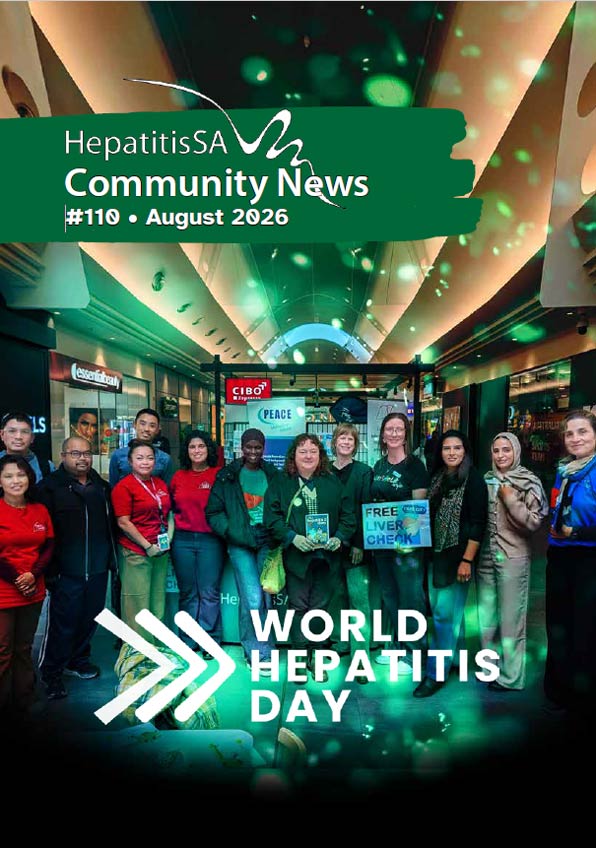
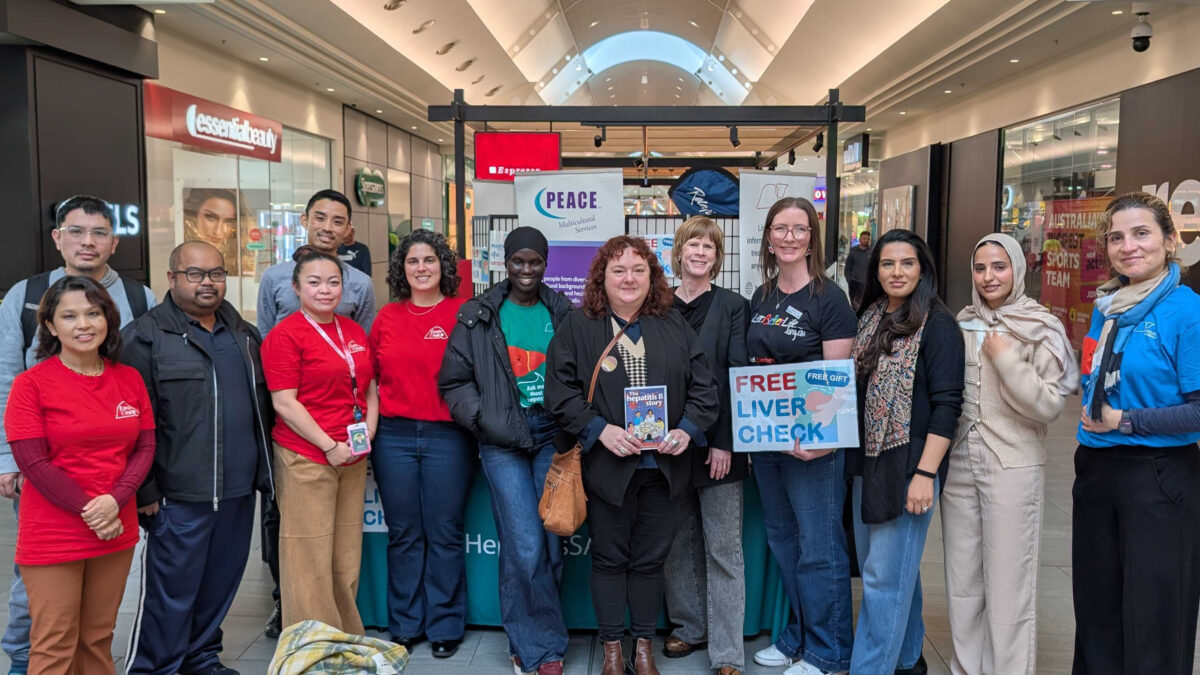
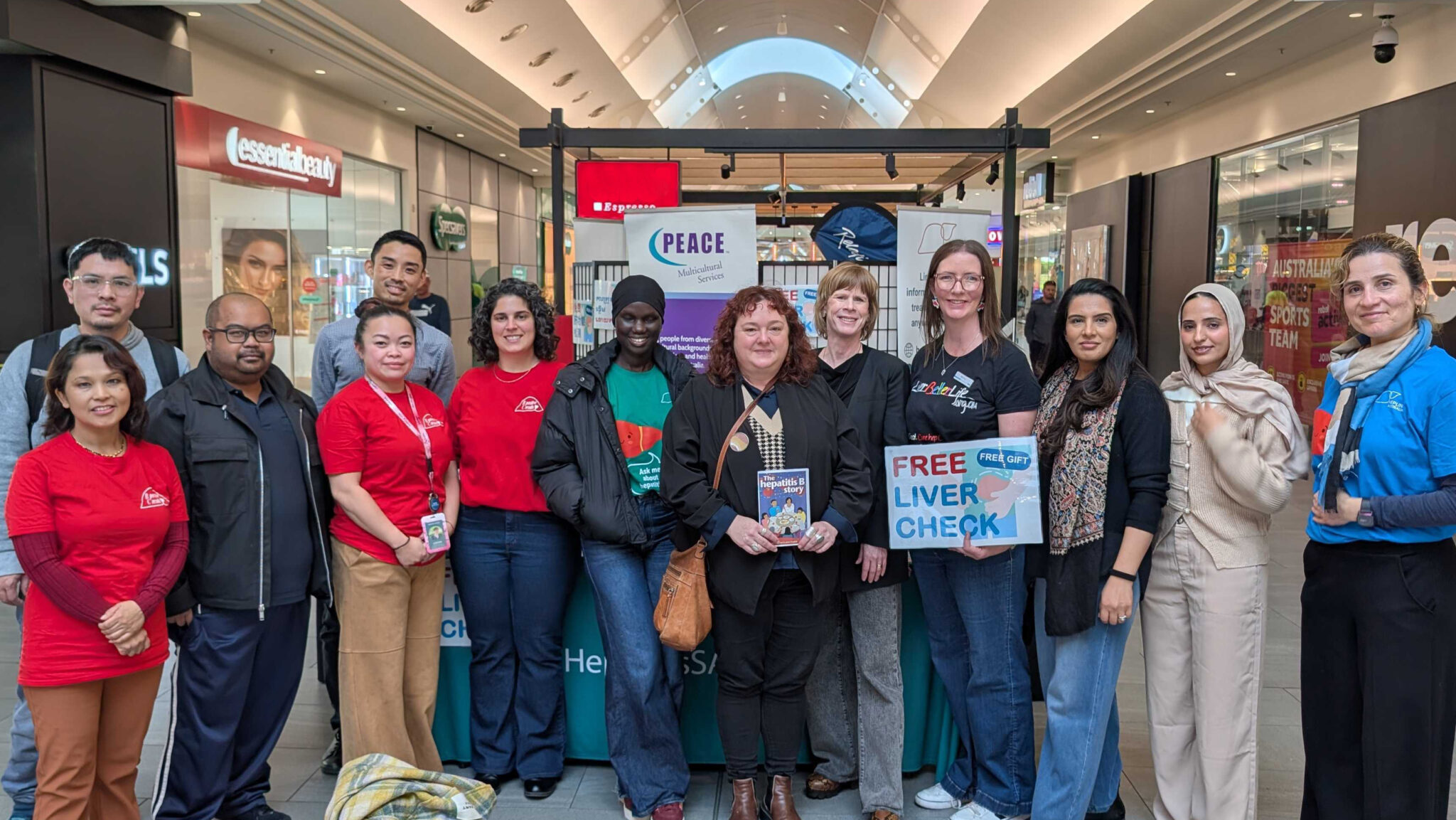
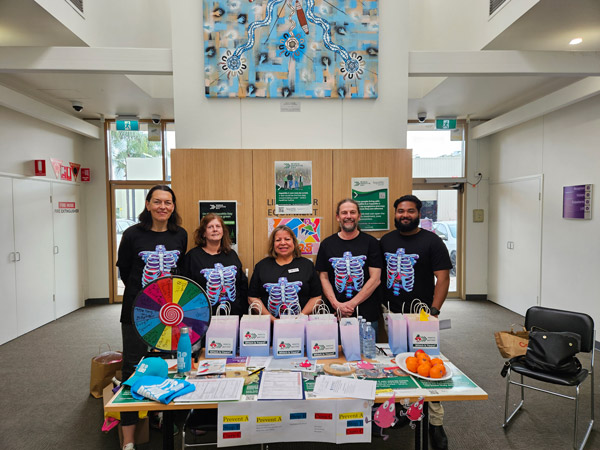
The highlight was free liver scan clinics at suburban shopping centres in Arndale and Munno Para. Run in partnership with PEACE Relationships Australia and SA Health, these liver scan events had been held over the past few years and are becoming recognised as an annual activity.
Sixty-four people received scans at Arndale and about 80 at Munno Para. Staff spoke with over 100 members of the public at those events. Other activities in South Australia included:
- Liver health information session with a Seniors Group from the Chinese Welfare Services.
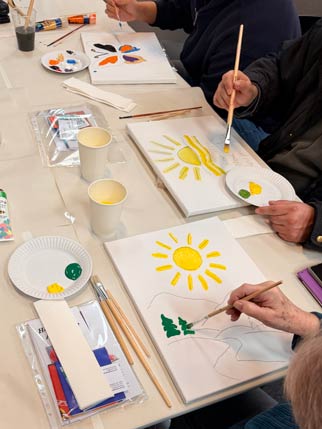
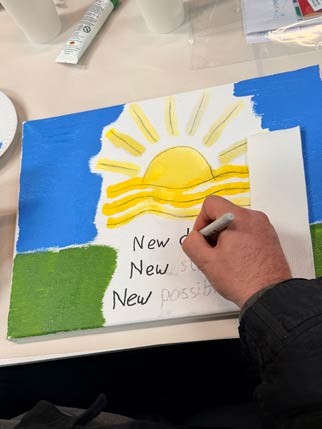
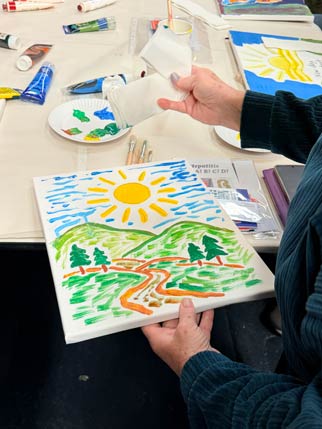
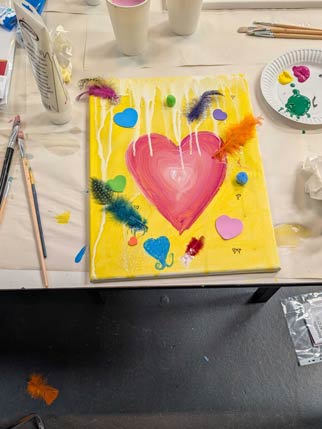
- Paint and Learn hepatitis education session at Diamond House for Clubhouse members.
- Testing clinic at DASSA Central with refreshments and quiz activities.
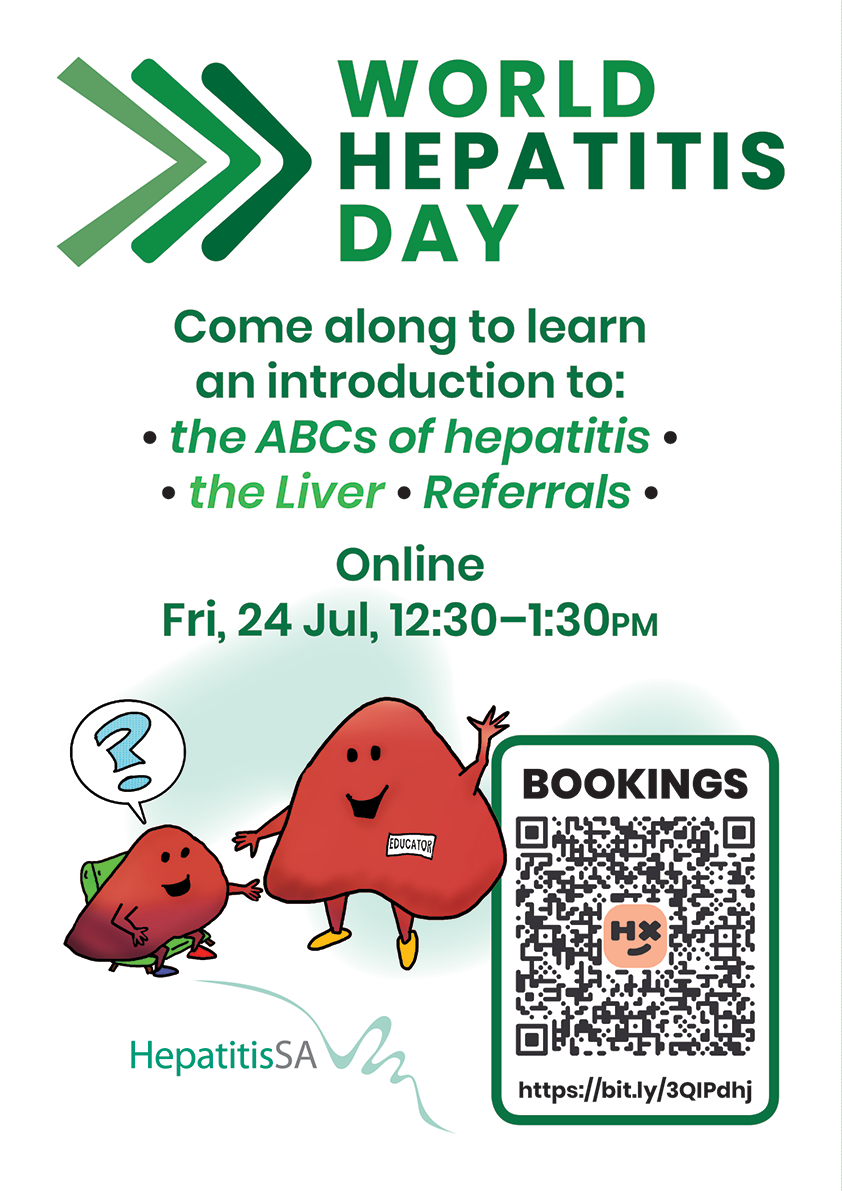
- Free online education on the ABCs of hepatitis which attracted 21 participants.
- A clinic at Murray Bridge in partnership with SA Health viral hepatitis nurses where ten people received hepatitis C point-of-care testing.
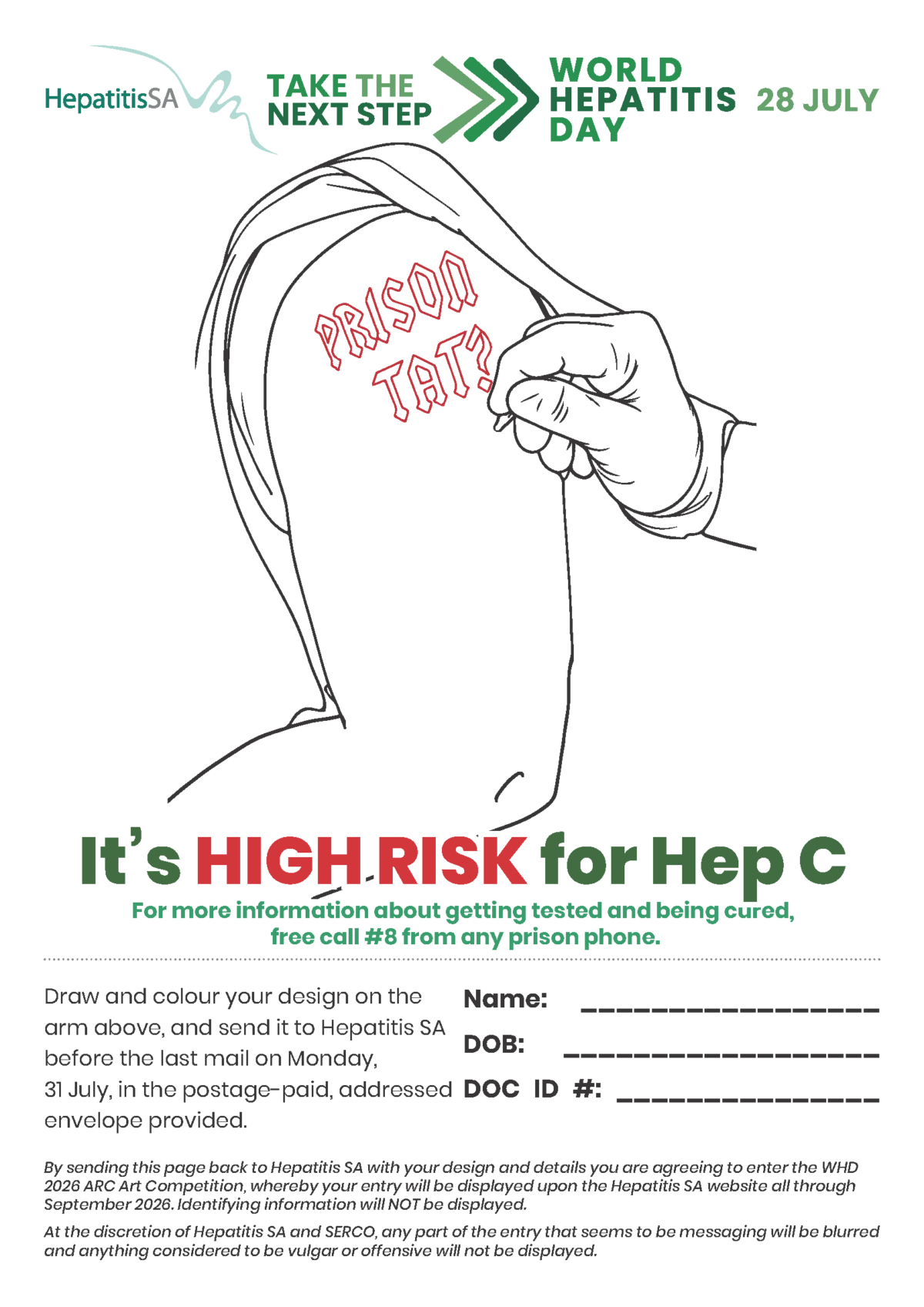
- At the Adelaide Remand Centre, a tattoo design competition distributed 46 entry packs. De-identified entries will be displayed on the Hepatitis SA website throughout September.
- Quiz Wheels at Hepatitis SA’s six peer-run needle exchange services where clients were encouraged to spin a wheel, answer a question and get a prize.
- A hepatitis B Q&A with a community-based gambling support group which included in-language videos and lots of lively discussions.
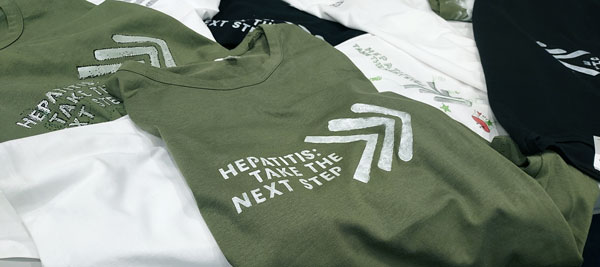
Hepatitis SA also provided resources and support to other services holding WHD events such as the hepatitis education and awareness day at Uniting Communities Aboriginal Community Connect, Mt Gambier which included T-shirt painting for a support group.
Our workers were on the ground supporting Community Access and Services SA’s WHD Barbecue which also featured a prize wheel, a novelty which proved very popular. The event attracted about 20 participants with conversations about hepatitis B and hepatitis C transmission risks and new hepatitis C treatment. It was an international affair with placement students from Nepal, China, Bhutan and Japan plus community and staff members from culturally-diverse backgrounds.
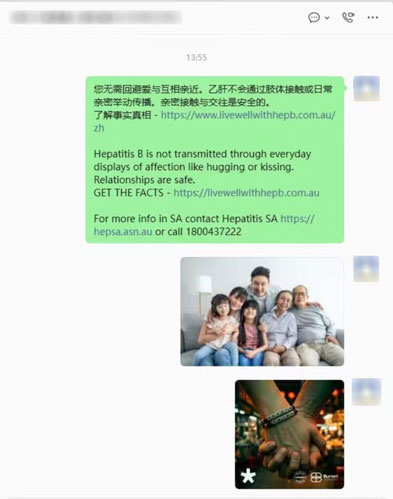
As part of the Burnet-Hep B Voices campaign, Live Well with Hepatitis B, Hepatitis SA engaged with Vietnamese and Chinese community ambassadors to raise awareness and break down myths about hepatitis B. About 10 to 12 community members signed up to help spread the word with social media posts going out on and around World Hepatitis Day.
Adelaide Oval lit up green again this year on 28 July.

World Hepatitis Day is a WHO designated day to focus on accelerating work towards the elimination of hepatitis B and hepatitis C by 2030, a goal to which Australia has signed up.
An estimated 300,000 Australians are at risk of liver cancer from hepatitis B and hepatitis C and many don’t even know it. Of these, an estimated 63,000 are living with hepatitis C and 230,000 with hepatitis B. In 2024, 432 people in Australia died as a result of hepatitis B complications, and 570 from hepatitis C related causes.
Almost 11,700 people live with hepatitis B in South Australia, with many lost to follow-up after having previously been in care. An estimated 203 lives were saved in SA due to hepatitis B treatment since 2000.
Both nationally and within the state, hepatitis B diagnosis, care uptake and treatment uptake lag behind targets required to eliminate hepatitis B by 2030. Based on estimates, meeting the hepatitis B and hepatitis C elimination targets will not only save lives but can save Australia more than $2.6 billion in healthcare costs.
Posted 14 August 2026
More from:
Enjoyed this article? Subscribe to be notified whenever we publish new stories.
Subscribe for Updates