Hot on the heels of bepirovirsen, the newly approved (in some countries, but not yet Australia) treatment for hepatitis B that has a functional cure rate of 19 per cent, another potential treatment has just finished Phase II trials (which focus on testing the effectiveness and tolerability of a new medication).
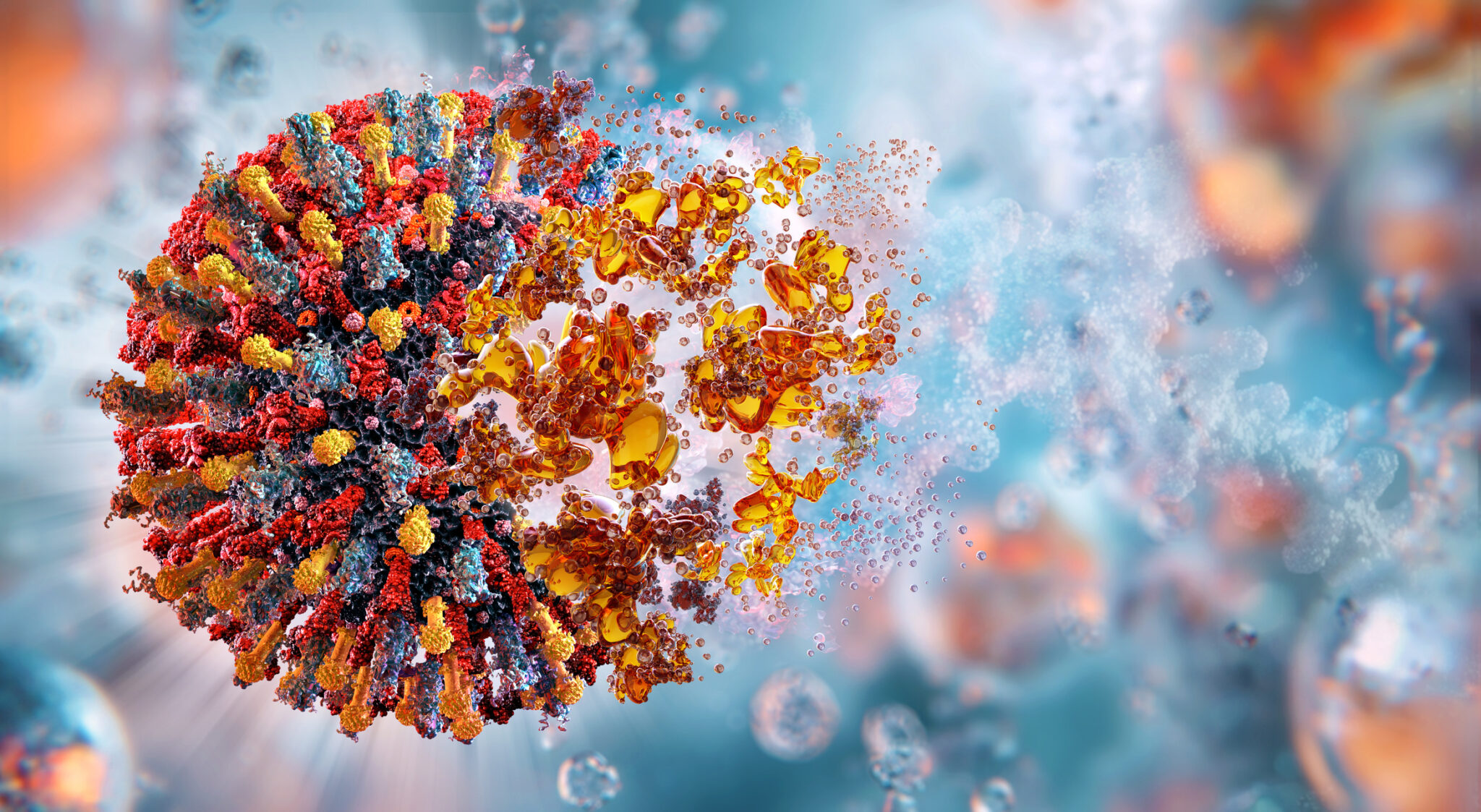
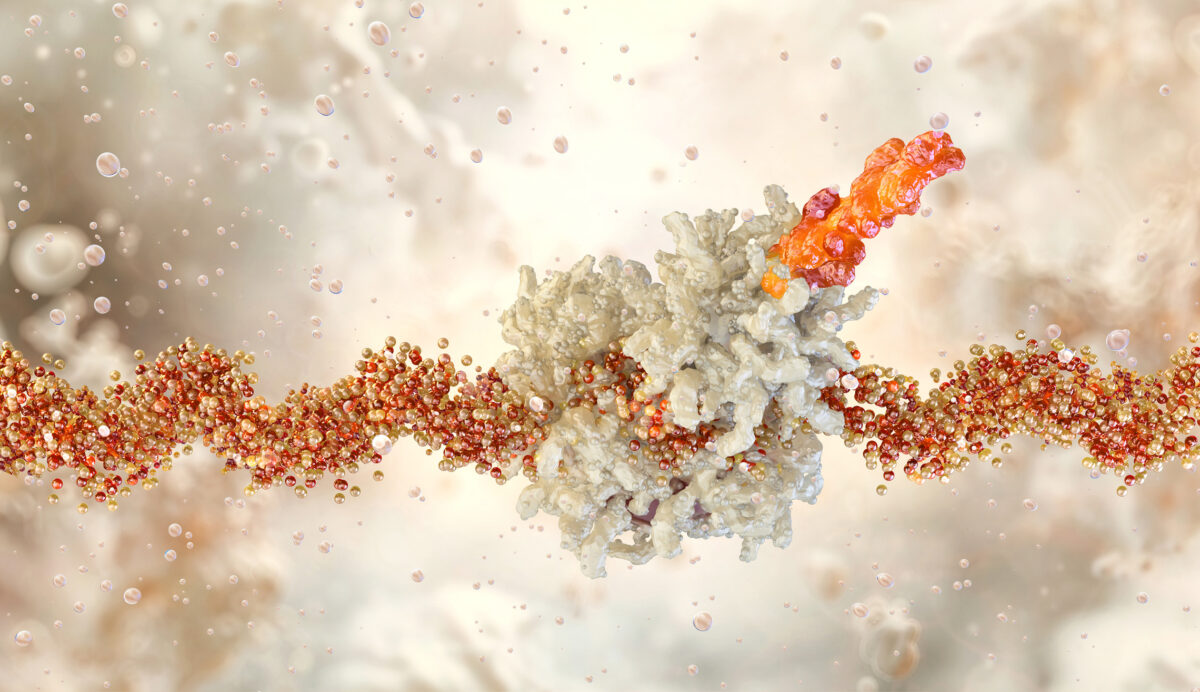
HRS-5635 is an “interfering RNA” drug designed to target the hepatitis B virus. Interfering RNA is a natural cellular process that destroys specific messenger RNA molecules before they can be translated into proteins, meaning that it can be used to disrupt a virus from constructing more of itself.
In the HRS-5635 tests, reductions in hepatitis B surface antigen (HBsAg) were observed with in patients with chronic hepatitis B virus infection.
Patients were randomised to receive one of four different amounts of the medication (50mg, 100mg, 200mg or 400mg), and all 32 patients who received the highest dose of 400 mg had HBsAg levels of less than 100 IU/mL after 48 weeks of treatment, with 88 per cent still at that level 24 weeks after treatment ended.
16 per cent achieved a functional cure … that rose to 19 per cent by 24 weeks post-treatment
Among this high-dose group, 16 per cent achieved a functional cure, with an HBsAg clearance level of less than 0.05 IU/mL after 48 weeks, a percentage that rose to 19 per cent by 24 weeks post-treatment. This was reported by Dr Xieer Liang of the Southern Medical University in Guangzhou, China, at the American Association for the Study of Liver Diseases annual meeting earlier this year.
“A dose-dependent antiviral response was observed with HRS-5635,” she explained, adding that “all HRS-5635 regimens were generally safe and well-tolerated.”
Notably, across the four groups, up to 60 per cent had a treatment-related adverse event, but the researchers claim there were no serious adverse events related to treatment and no deaths occurred. Upper respiratory tract infections were the most common adverse event, occurring in up to a third of patients in the four groups.

Dr Liang noted that the follow-up period of 24 weeks after treatment ended was relatively short, but a longer-duration extension study is ongoing, along with a new Phase III trial.
In a previous phase II trial, 23 per cent of patients achieved HBsAg loss with another interfering RNA treatment used in combination with a second drug, but relapses occurred in some.
The trial results show there is now another potential treatment for hepatitis B that also has a cure rate of 19 per cent.
It is unknown at this stage if treatment with both bepirovirsen and HRS-5635, either together or sequentially, would raise this rate, but it is hoped that this can be determined soon through future research.
Posted 27 November 2026
More from:
Enjoyed this article? Subscribe to be notified whenever we publish new stories.
Subscribe for Updates