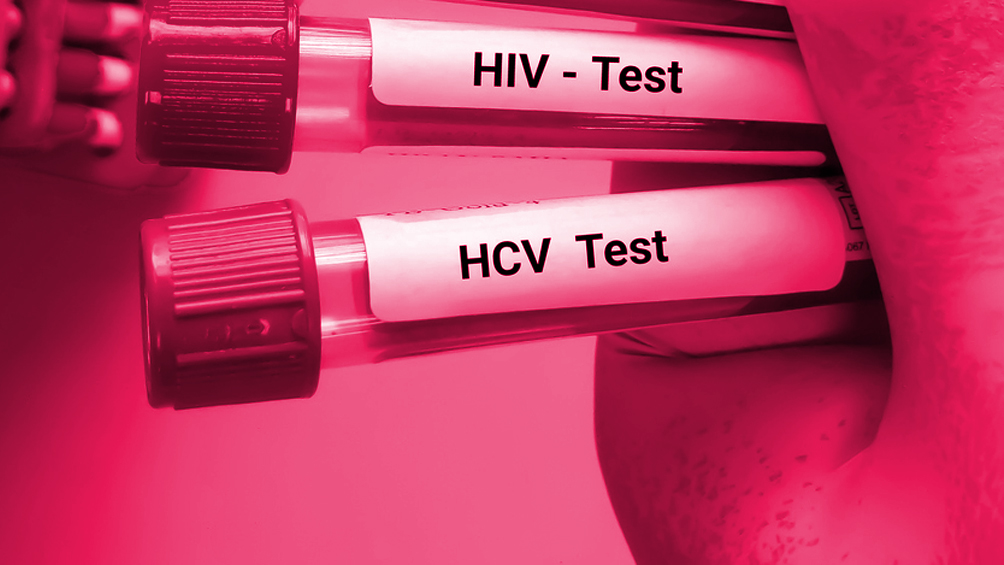
The Senate has voted to establish a new inquiry into Australia’s infected blood scandal. This follows a recent ABC Australian Story episode on contaminated blood products has brought the topic to many people’s attention for the first time: anyone who received a blood transfusion or blood product before donor screening began in Australia in 1990 may have been exposed to hepatitis C.
On Tuesday, 18 August, the Senate voted to set up the investigation to report back by the middle of next year.

The Australian Story episode revisited the experiences of people affected by hepatitis C and HIV contracted through blood and blood products. Australia introduced screening of the blood supply for hepatitis C in 1990, becoming one of the first countries in the world to do so. The issue of hepatitis C and the historical blood supply was the subject of a comprehensive Senate Committee inquiry in 2003.
The terms of the inquiry were agreed as follows—the Community Affairs References Committee will report on:
- the scale and nature of, and the circumstances relating to the collection, testing and supply of blood infected with Hepatitis C, HIV and other viruses it is known that people were exposed to, administered to thousands of Australians in the 1970s, ’80s and ’90s;
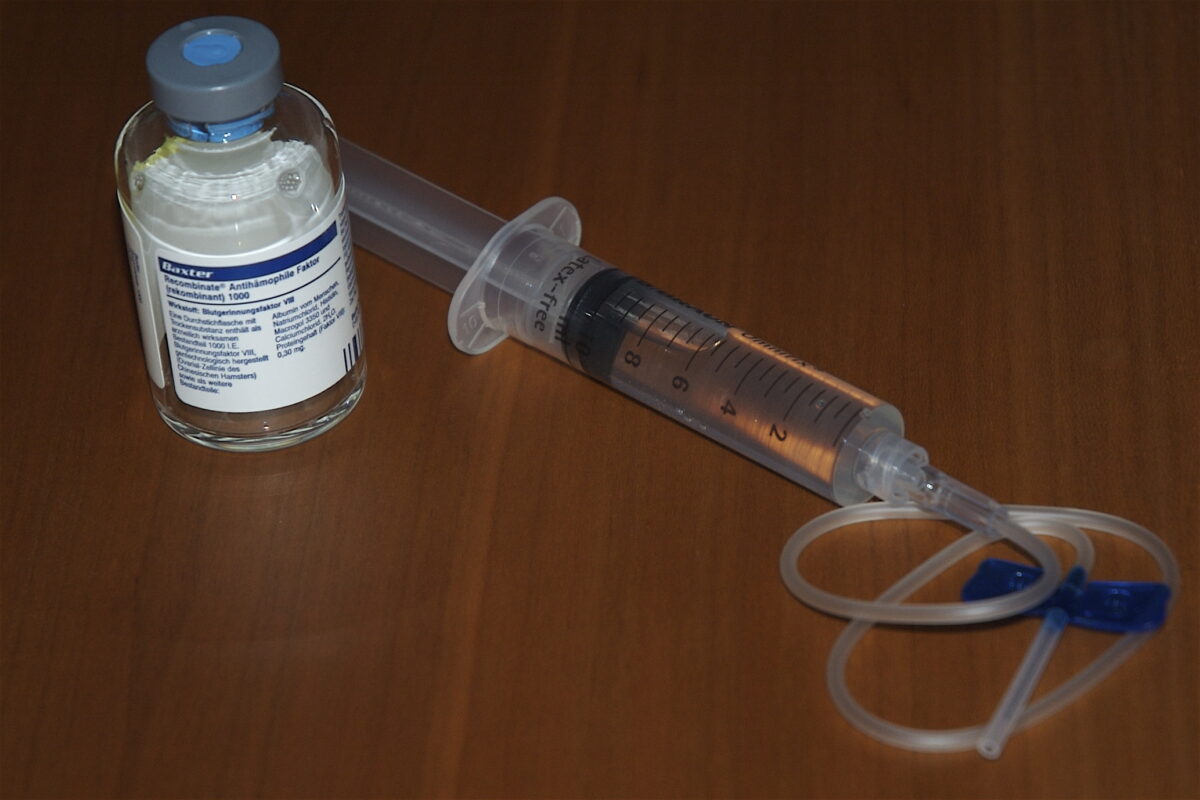
- the adequacy of safety measures taken by government agencies including the Commonwealth Serum Laboratories and the role of the Australian Red Cross at the time when risks of infected blood and the Factor VIII and Factor IX blood products were recognised, including the extent to which commercial considerations influenced decisions made by those agencies;
- the failure to implement recommendations of the 2004 Community Affairs References Committee report, Hepatitis C and the blood supply in Australia, including the issue of an apology to the victims and the need for one to be made;
- the adequacy of government decision-making in response to the risks of infected blood including whether there was a lack of candour or openness in that response, and whether information was withheld or documents destroyed;
- the impact on partners, children, parents and carers of those affected;
- responsibility and compensation arising from the matters referred to [above]; and
- any other related matters.
The Senate also voted to consider public hearings “to ensure that survivors, including those who contracted Hepatitis C, HIV and other viruses through both blood transfusions and other blood products for those with blood illnesses such as haemophilia, their families and carers, are able to share their stories.”
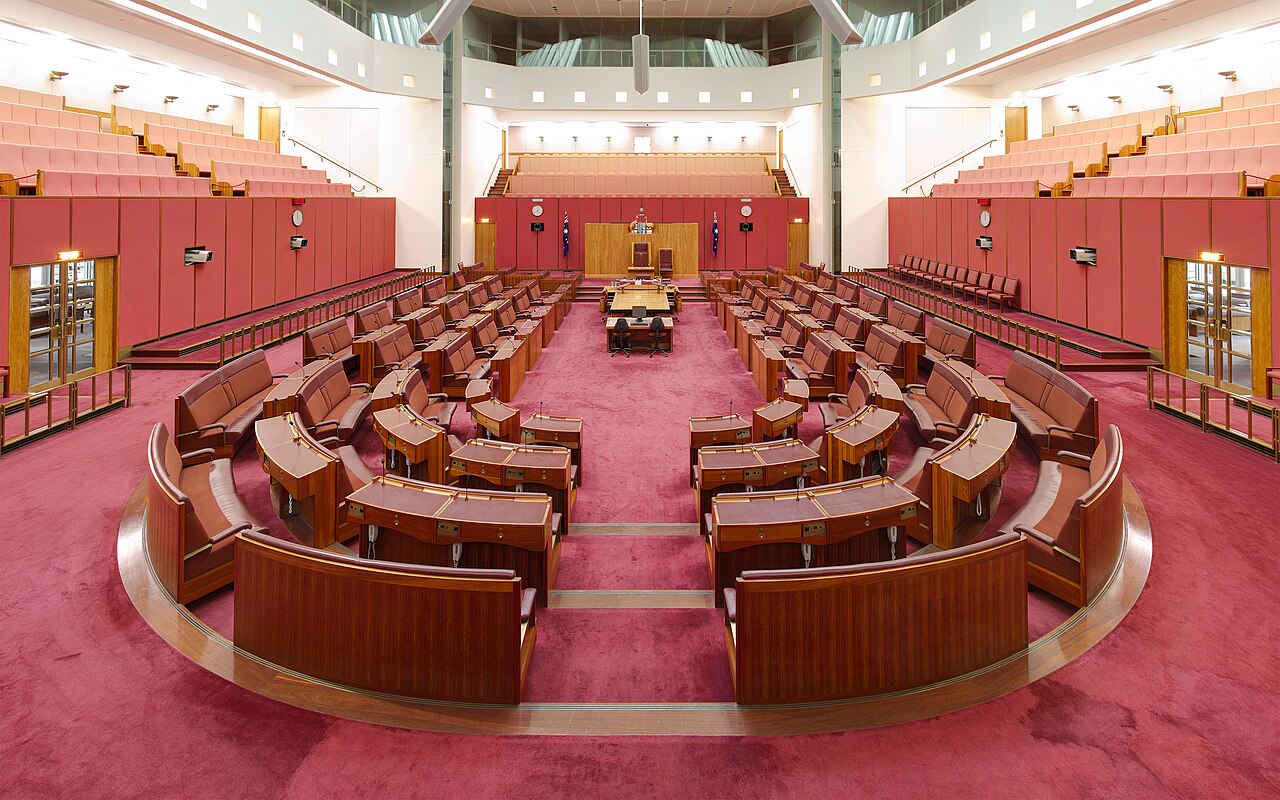
The Community Affairs References Committee is chaired by Senator Penny Allman-Payne (Greens), deputy chaired by Senator Ellie Whiteaker (Labor), and with Senator Michelle Ananda-Rajah (Labor), Senator Alex Antic (Liberal) and Senator Anne Ruston (Liberal) as members. As the last two senators represent South Australia, anyone in this state who is interested can contact them with any information or concerns they have regarding the inquiry.
Anyone concerned that they may have been exposed to contaminated blood in the past should consider getting tested if they:
- received a blood transfusion before routine hep B screening was introduced in 1971.
- received a blood transfusion before 1990, when routine hepatitis C screening of introduced
- received clotting factors or other plasma-derived blood products before 2000
- are unsure whether they have ever been tested following a historical transfusion or blood product exposure.
Many people with hepatitis B or hepatitis C have no symptoms for many years. Testing is the only way to know whether a past exposure resulted in infection. Effective treatments are available, and early diagnosis can prevent serious liver-related complications.
For more information or support, call HepLink Australia or Hepatitis SA Helpline in South Australia, on 1800 437 222.
Posted 19 August 2026
More from:
Enjoyed this article? Subscribe to be notified whenever we publish new stories.
Subscribe for Updates