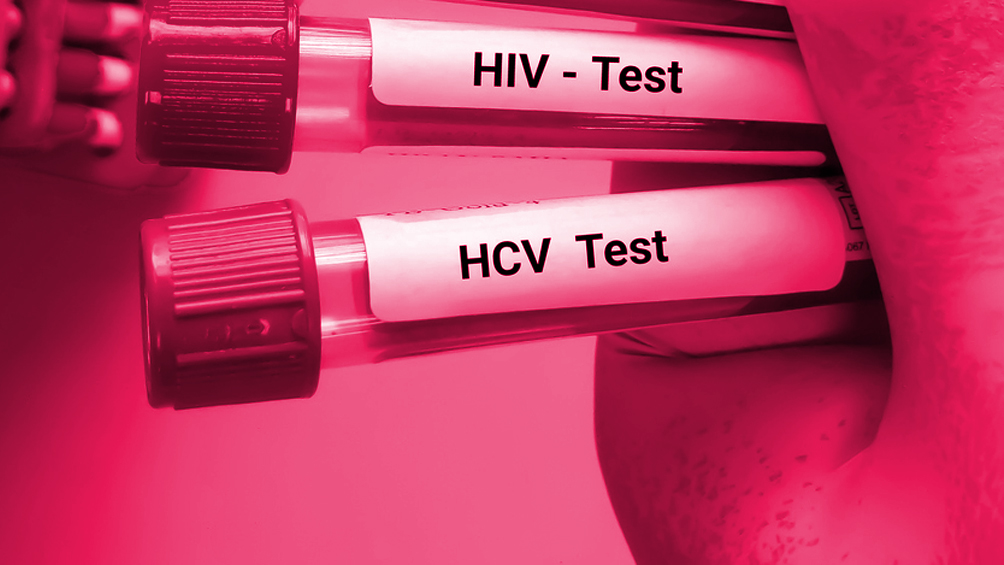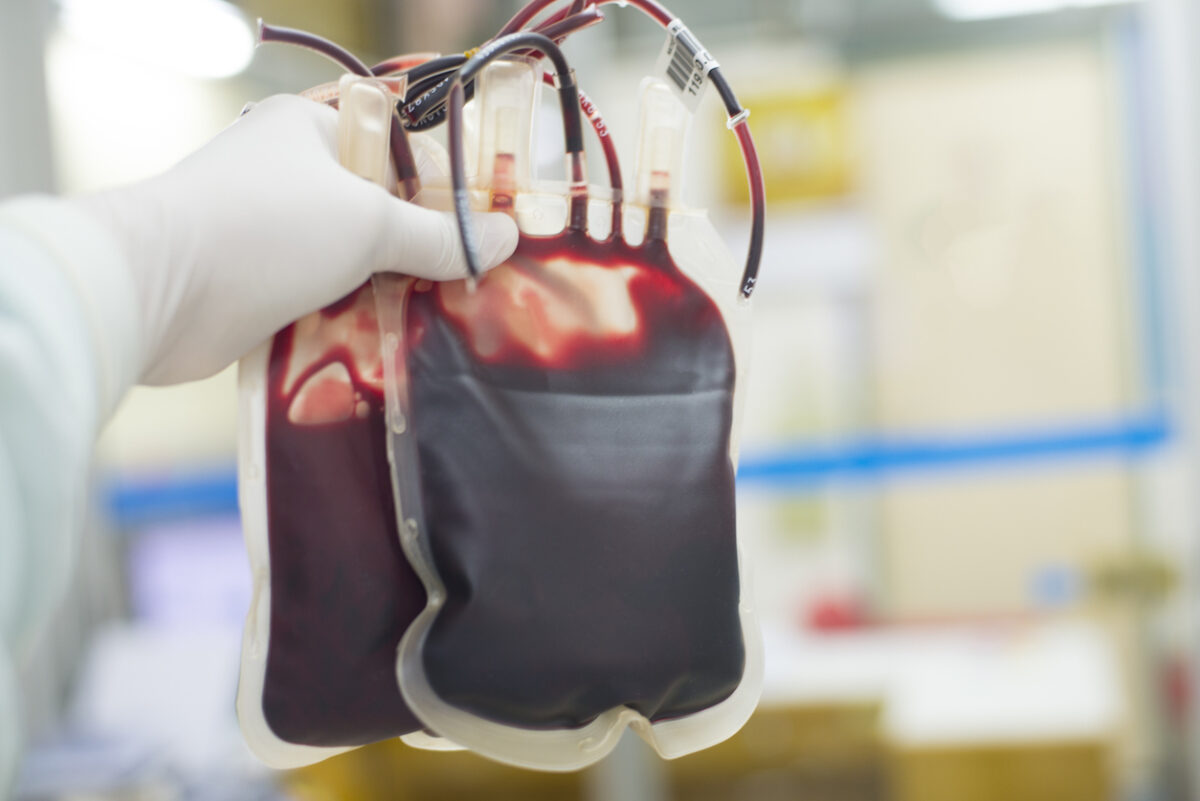

Fighting two infections at once puts an extra-heavy burden on the immune system. In Australia for example, a number of older people with haemophilia live with both hepatitis C and HIV, due to contamination of clotting factor treatment products before proper testing was introduced in 1993.
For these people, it will be encouraging to know that a collaborative study between Indonesian and Japanese researchers have found that curing hepatitis C reduced strain on the immune system in people who also had HIV.
Until about a decade ago, hepatitis C infection was difficult to cure because treatment relied on prolonged interferon injections with severe side effects. The advent of direct-acting antivirals, or DAAs, revolutionised care for hepatitis C.
However, whether clearing hepatitis c would also help reduce strain on an over-active immune system remained uncertain, especially in people living with human immunodeficiency virus, or HIV, whose immune systems are already under strain.
Research gaps and new study in Indonesia
This uncertainty is exacerbated by inequalities in research and care across international borders. Previous research on the immunological effects of DAAs has largely been done in richer Western nations with more robust health systems (and also in the US) and involved patients from those regions.
None was done in South East Asia, where viral strains, methods of transmission, host genetics, and access to care often differ from in the areas previously studied. This motivated a collaborative team of researchers from Kyoto University and the University of Indonesia to address this knowledge gap.

Chief researcher Youdiil Ophinni, at Kyoto, explained the reason for the research. “Treatment goes beyond making patients healthier and live longer. It helps those infected lead fulfilling and stigma-free lives by, for example, allowing them to consider marriage and childbirth with peace of mind.”
Study design and key findings
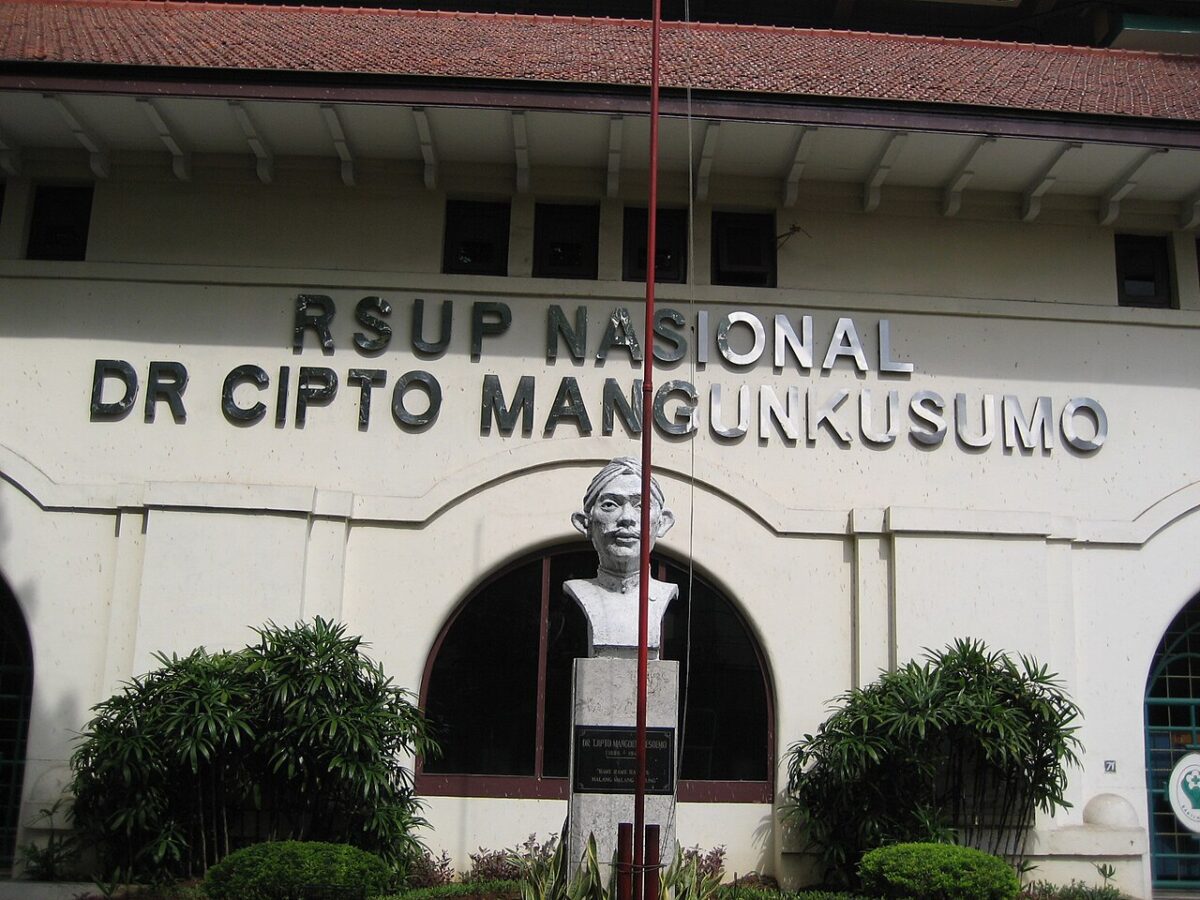
The research team had previously conducted a prospective study in Indonesia, a country with one of the region’s highest rates of HIV/HCV coinfection, or infection by two viruses. The new study, published in Journal of Medical Virology, followed 132 coinfected subjects at the national referral hospital in Jakarta. Each patient received DAAs for either 12 or 24 weeks, as is normal standard of care, and the team collected blood samples both before treatment and 12 weeks afterward to measure key markers of immune activation.
The results were highly encouraging. After treatment, 96 per cent of participants achieved HCV clearance, accompanied by significant declines in biomarkers linked to inflammation and blood vessel dysfunction. These improvements were observed regardless of liver damage, and despite the extra burden of coping with HIV, a virus which specifically attacks the immune system. This all suggests that DAAs confer strong immune benefits even in advanced liver disease and with HIV/HCV coinfection.
Interestingly, participants with lower blood albumin—usually a sign of poorer liver function—showed the greatest biomarker reduction, indicating that those with more severe liver impairment may actually benefit most from DAA therapy and HCV clearance.
Implications for care and future research
The study provides the first longitudinal immunological data on HIV/HCV-coinfected individuals in South East Asia, underscoring the importance of early hepatitis C treatment to prevent long-term immune and liver complications.
Beyond its scientific impact, the findings reinforce the need for equitable access to DAA therapy among vulnerable communities around the world, highlighting the importance of integrating long-term immune monitoring and holistic care into future antiviral treatment strategies.
Last updated 9 December 2025
More from:
Enjoyed this article? Subscribe to be notified whenever we publish new stories.
Subscribe for Updates