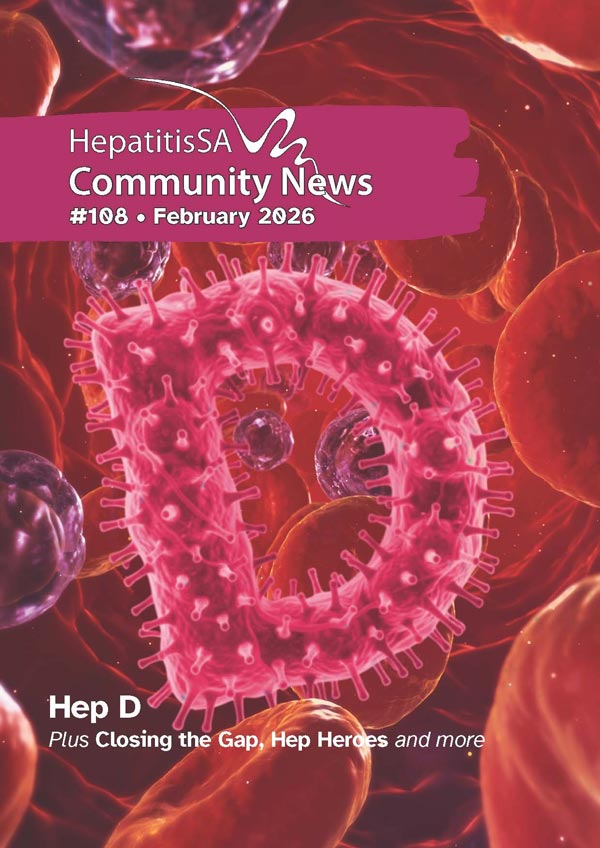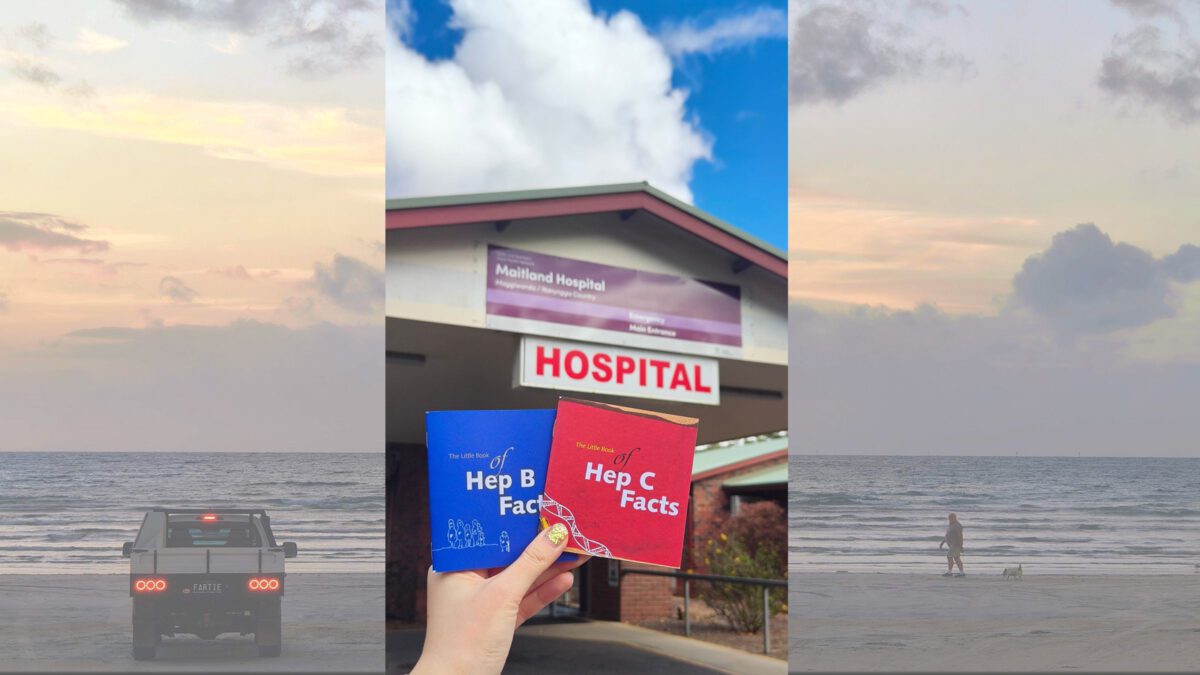
The Federal Government has committed $1.8 million over three years (starting in 2026) to continue the Hepatitis B Partnership Approach to Sustainably Eliminating Chronic Hepatitis B Project in the NT. This was announced in the Closing the Gap Annual Report for 2025, released the day before Apology Day.
Continued funding will support the expansion of workforce training to over 90 primary health care teams across the NT, ensuring access to culturally safe chronic hepatitis B care and improved liver cancer survival outcomes for First Nations people.
The report also noted the successful delivery of the First Nations Health Worker Traineeship program in 2025, promising an additional $2.6 million to be further invested in the training program to provide 30 more First Nations health workers, totalling 500.
However, despite gains made by such projects, Stolen Generations survivors are still waiting for the meaningful change they were promised, 18 years after the National Apology. This was pointed out by the Healing Foundation, a national Aboriginal and Torres Strait Islander organisation that provides a platform to amplify the voices of lived experience of Stolen Generations survivors and their families.
In a statement released the day before Apology Day, the Foundation called on the Government to honour the Apology not with more symbolism, but with tangible, practical commitments that allow survivors to age with dignity, access justice, reconnect with family and culture, and heal across generations.
“Without immediate action, trauma‑informed and affordable aged care, equitable redress, access to records, sustained funding for survivor-led organisations, and national accountability, survivors risk being failed once again,” it said.
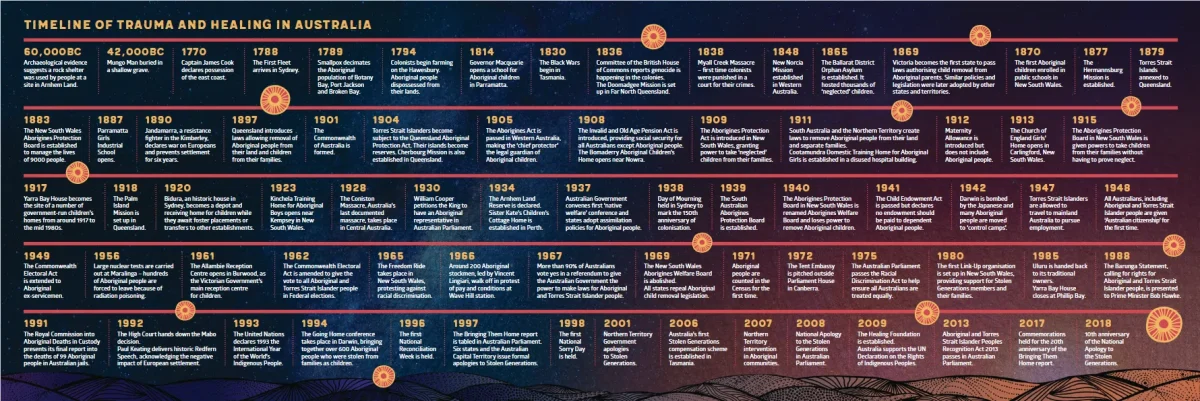
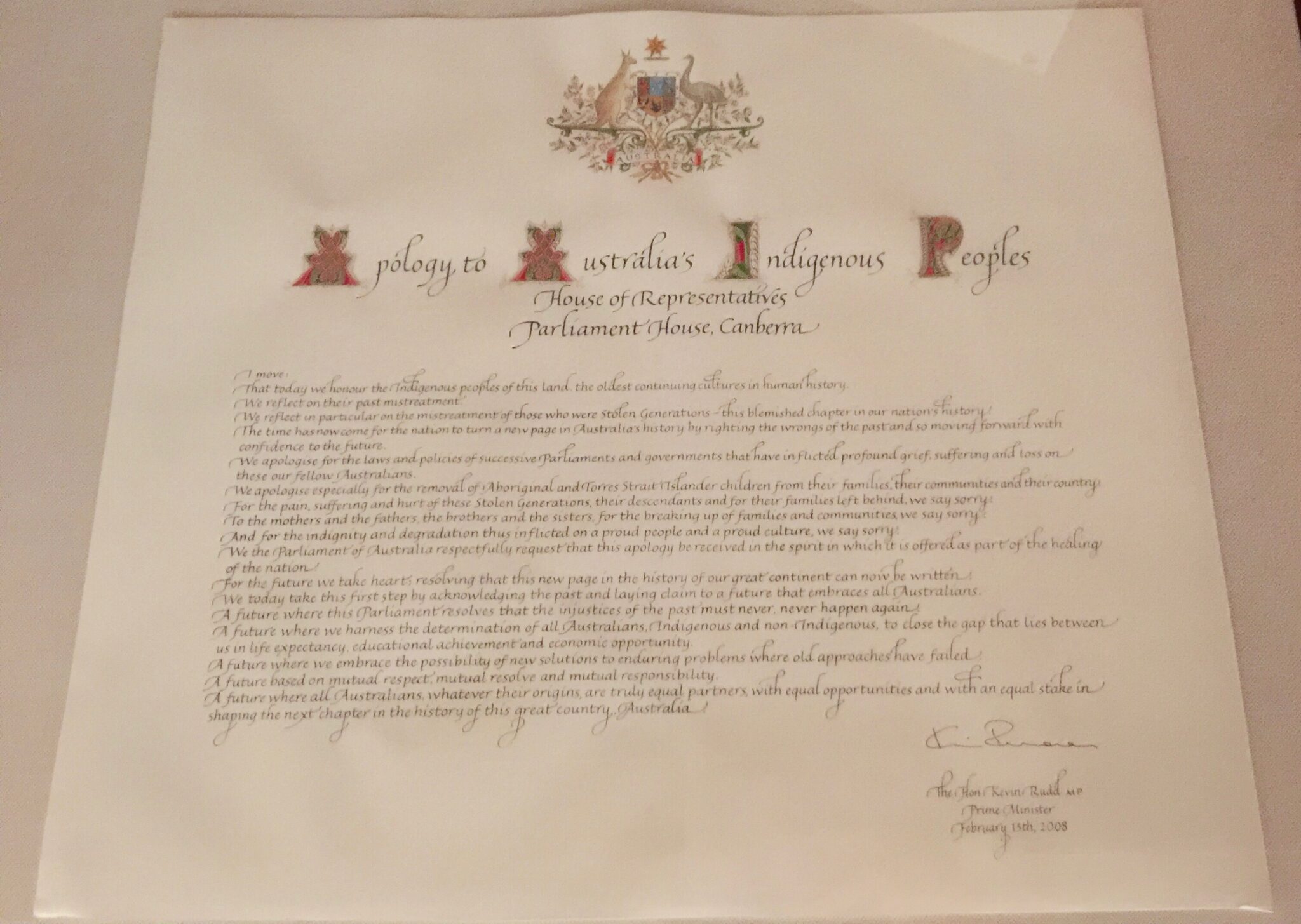
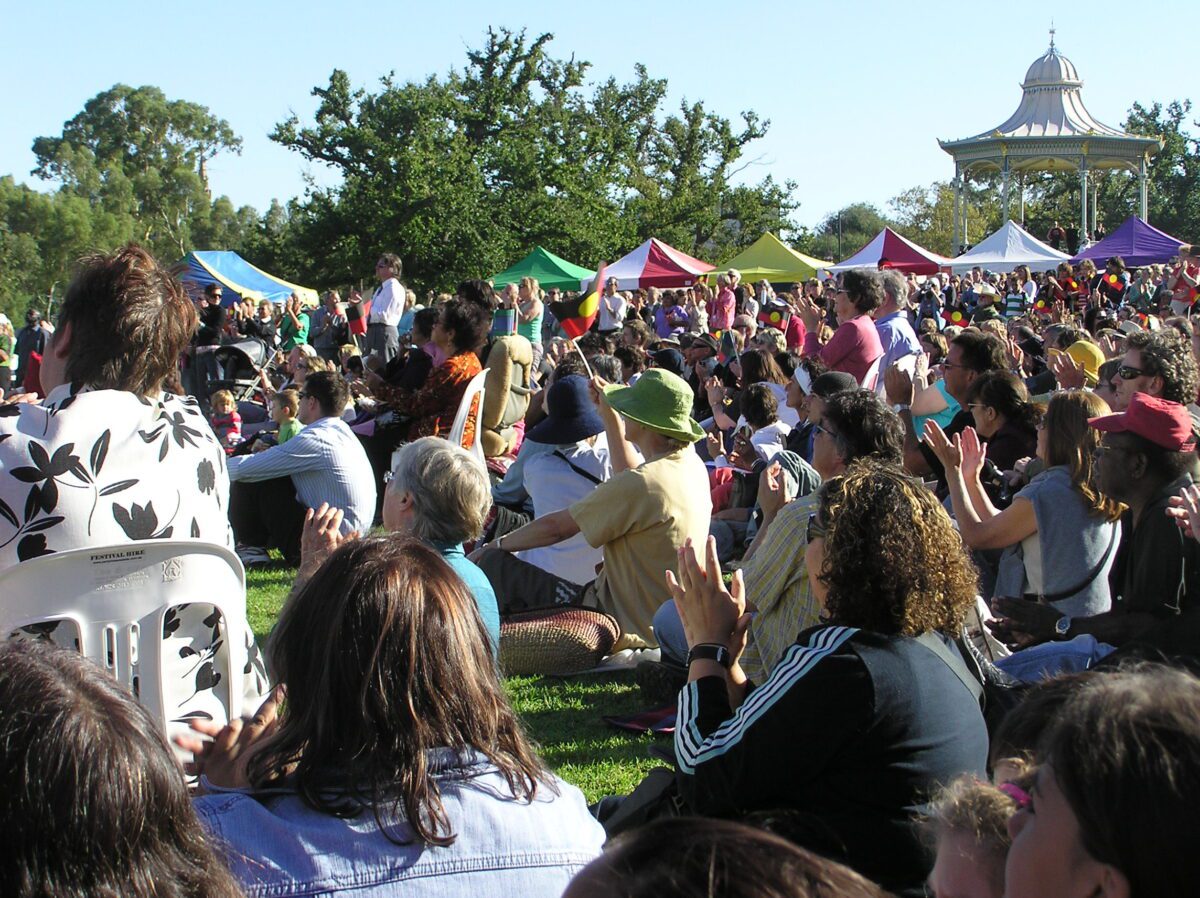
February 13 marks the anniversary of the National Apology to the Stolen Generations in 2008, which was a long-needed acknowledgment of the profound harm caused by government policies that forcibly removed Aboriginal and Torres Strait Islander children from their families, cultures and Country.
This day serves as a solemn reminder to pause to remember, reflect, and honour Australia’s Stolen Generations – the children, but also the parents who never stopped searching, and the communities that still feel the deep injustices of those policies.
While the National Apology was a crucial step, the continued failure of government policies to Close the Gap, racist interventions by populist state and territory governments (such as lowering the age of criminal responsibility to ten) and media, and the bitter disappointment of the Voice referendum failure all show that there is a huge amount to still be done to improve the lives of Indigenous Australians.
We had no wealth growing up, but we had spirit… and that spirit was about caring for other human beings with dignity and respect. All Australians should have that spirit.
The Apology promised to be the first step: ‘we today take this first step by acknowledging the past and laying claim to a future that embraces all Australians. A future where this Parliament resolves that the injustices of the past must never, never happen again.’ [Emphasis ours]
But gaps remain. For example: 20,000 Aboriginal and Torres Strait Islander children are currently in out-of-home care – 1100 per cent the rate of non-Indigenous children.
Stolen Generations survivor, Uncle David Wragge, Wakka Wakka, said the country is running out of time to uphold the commitments made to them. The evidence is clear, the solutions are known, and the urgency could not be greater.
“Nearly thirty years after Bringing them home, only six per cent of the recommendations have been enacted. That’s a real shame on Australia,” he said. “Aged care, records, redress, these are the key issues survivors are still fighting for. We’re running out of time.”
Uncle David, who sits on The Healing Foundation’s Stolen Generations Reference Group, was separated from his parents at nine years old and forcibly taken to Cherbourg’s Boys’ Dormitory, northwest of Brisbane. He spent the next six years under strict control from mission managers and was subjected to severe punishments, suffering abuse, leaving impacting trauma that would last a lifetime.
He said truth-telling was critically important to educate the next generations of Australians and heal inter-generational trauma. “These things happened under governments’ control. They need to step up and make reparations to the people and families these policies harmed,” he said.
“We had no wealth growing up, but we had spirit… and that spirit was about caring for other human beings with dignity and respect. All Australians should have that spirit.”
The Healing Foundation said while the National Apology was a powerful moment of recognition, that was never meant to be the end. Eighteen years on, survivors are still waiting.
What is the difference between National Apology Day and National Sorry Day?
National Apology Day, on 13 February, is the anniversary of when the Apology was given by former Prime Minister Kevin Rudd in 2008. National Sorry Day, offically called the National Day of Healing, is held on 26 May each year, and marks the anniversary of the tabling of the Bring Them Home report in Parliament. This report documented policies and practices that led to the removal of children, now recognised as part of the Stolen Generation.
Posted 13 February 2026
More from:
Enjoyed this article? Subscribe to be notified whenever we publish new stories.
Subscribe for Updates