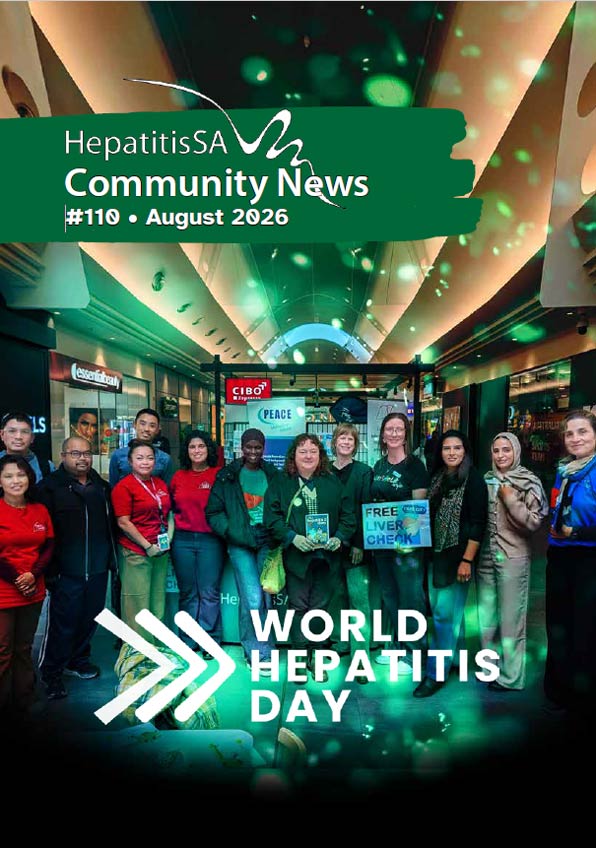
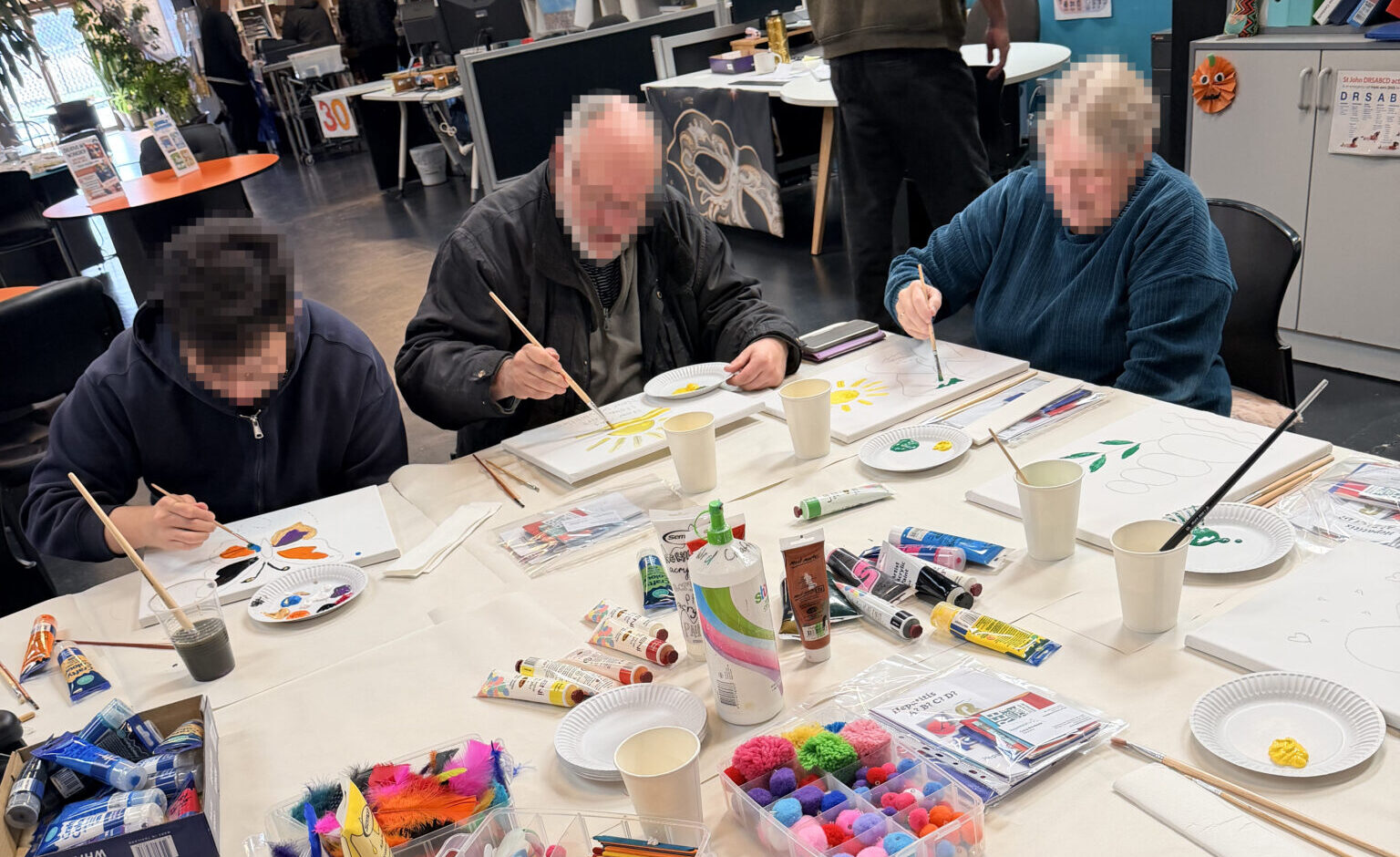
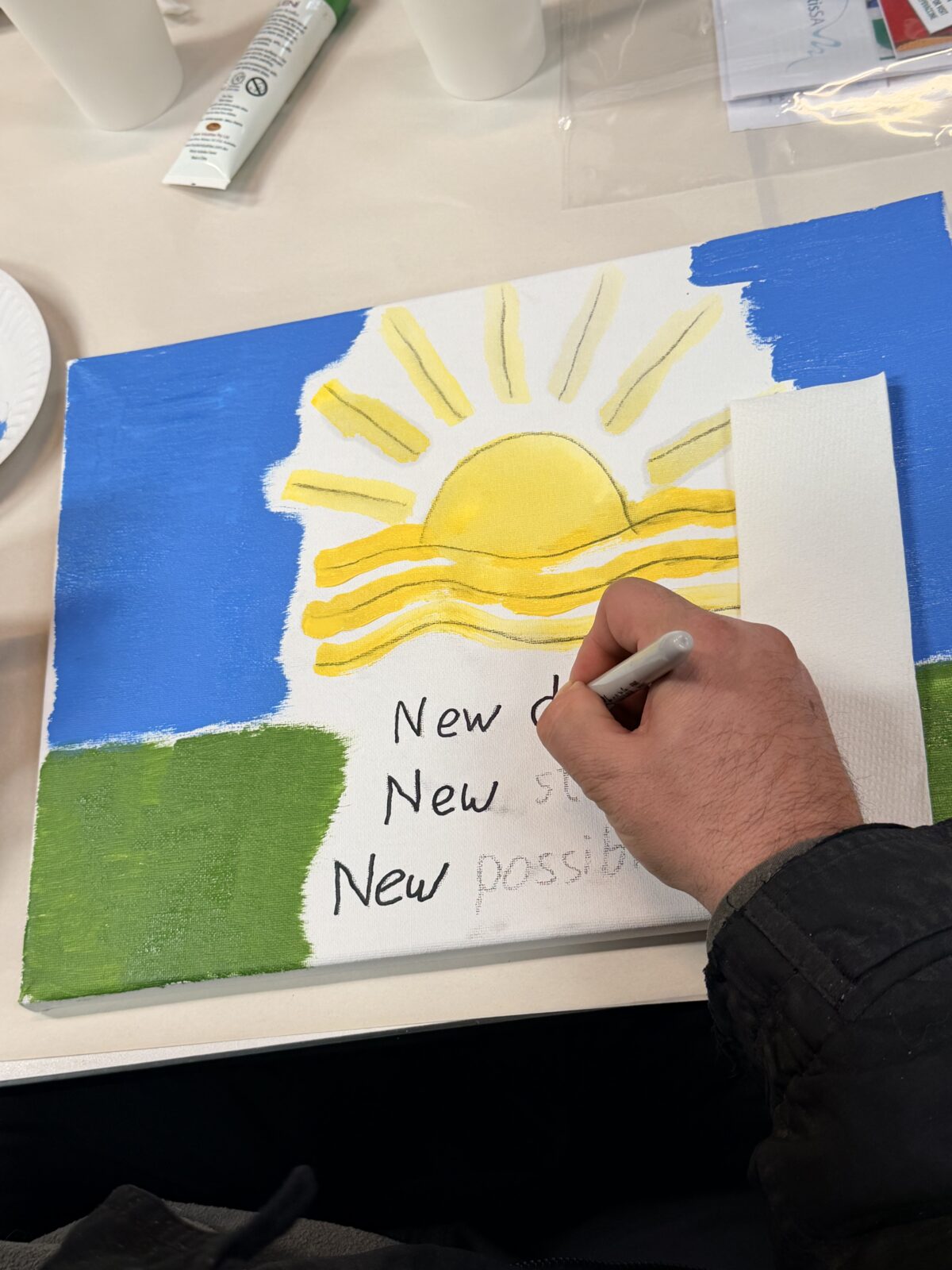
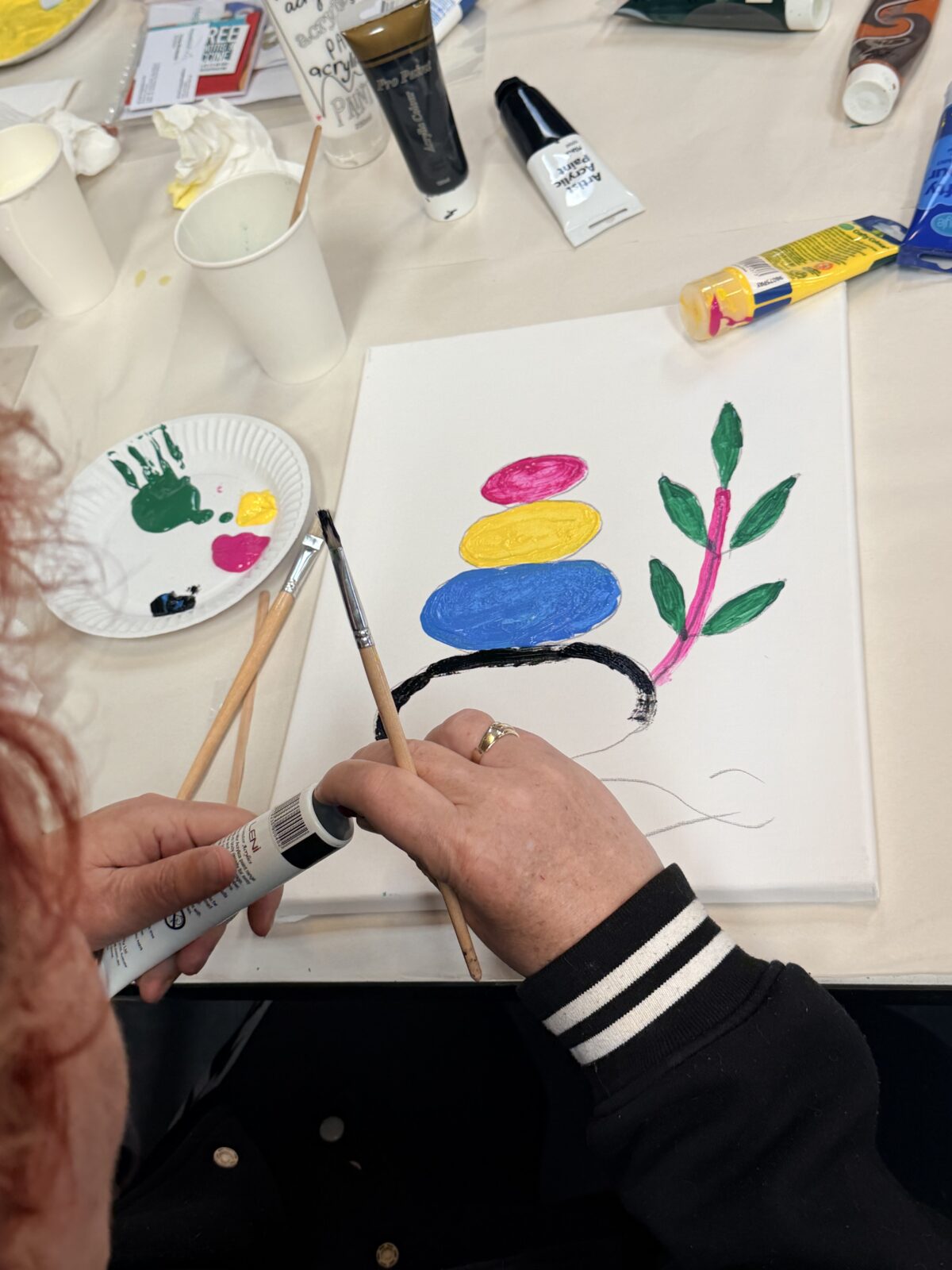
Hepatitis SA educators are offering Paint and Learn sessions where participants have fun painting on canvases as they learn and chat about viral hepatitis and blood borne viruses. This approach was deployed in Hepatitis SA’s first World Hepatitis Day 2026 activity with Clubhouse Inc members at their Diamond House site.
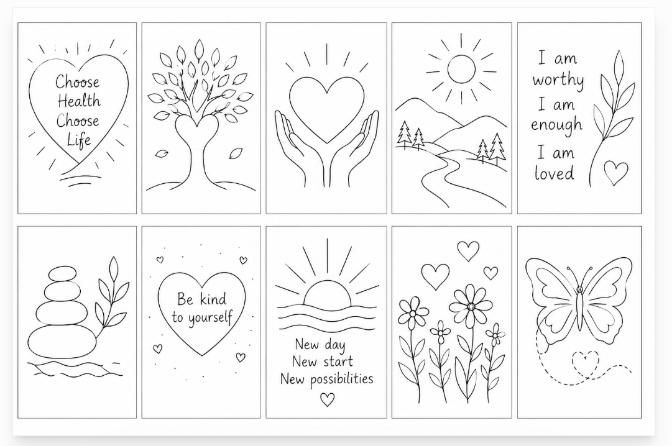
Participants were offered canvases with pre-sketched with basic line drawings which they can colour in, paint over or add to as they wish.
During the 60-minute creative painting session, participants were encouraged to:
- choose colours they enjoy
- paint in their own style
- use memories, favourite places, family, nature or imagination as inspiration
- take their time
- ask for assistance whenever needed
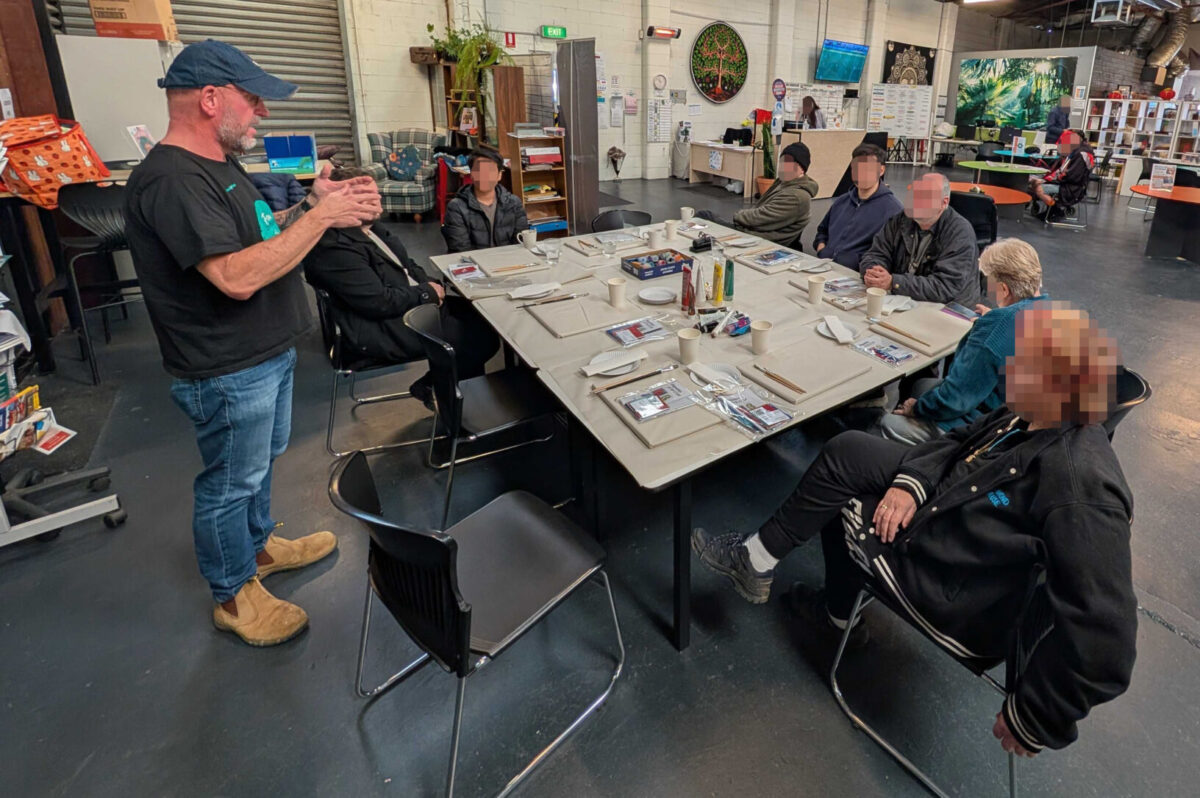
As participants painted, Hepatitis SA educators Craig and Jen chatted with them about hepatitis and blood-borne viruses. “We spoke about general liver health, then went on to discuss hepatitis A, B and C,” said educator Craig. “We also touched on the outbreak of syphilis, and talked about general sexual health.
This format combines creative arts, peer engagement and health education in a way that is accessible [and] non-threatening
Craig, Hepatitis SA Educator
“There were more questions than we’d expected—the level of engagement was quite pleasing. There were questions about hepatitis C treatment, and what they treatments meant in terms of cure and so on.”
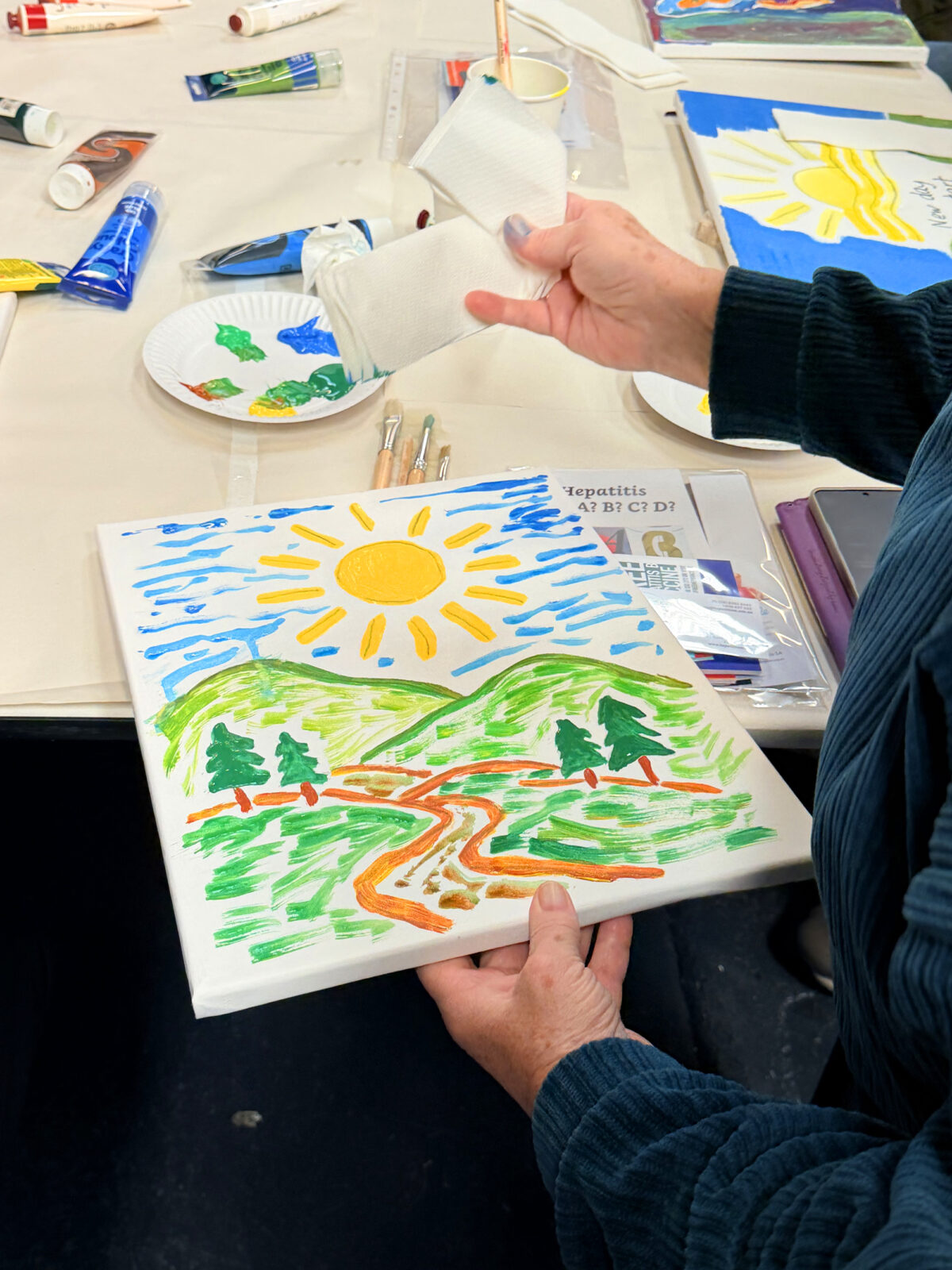
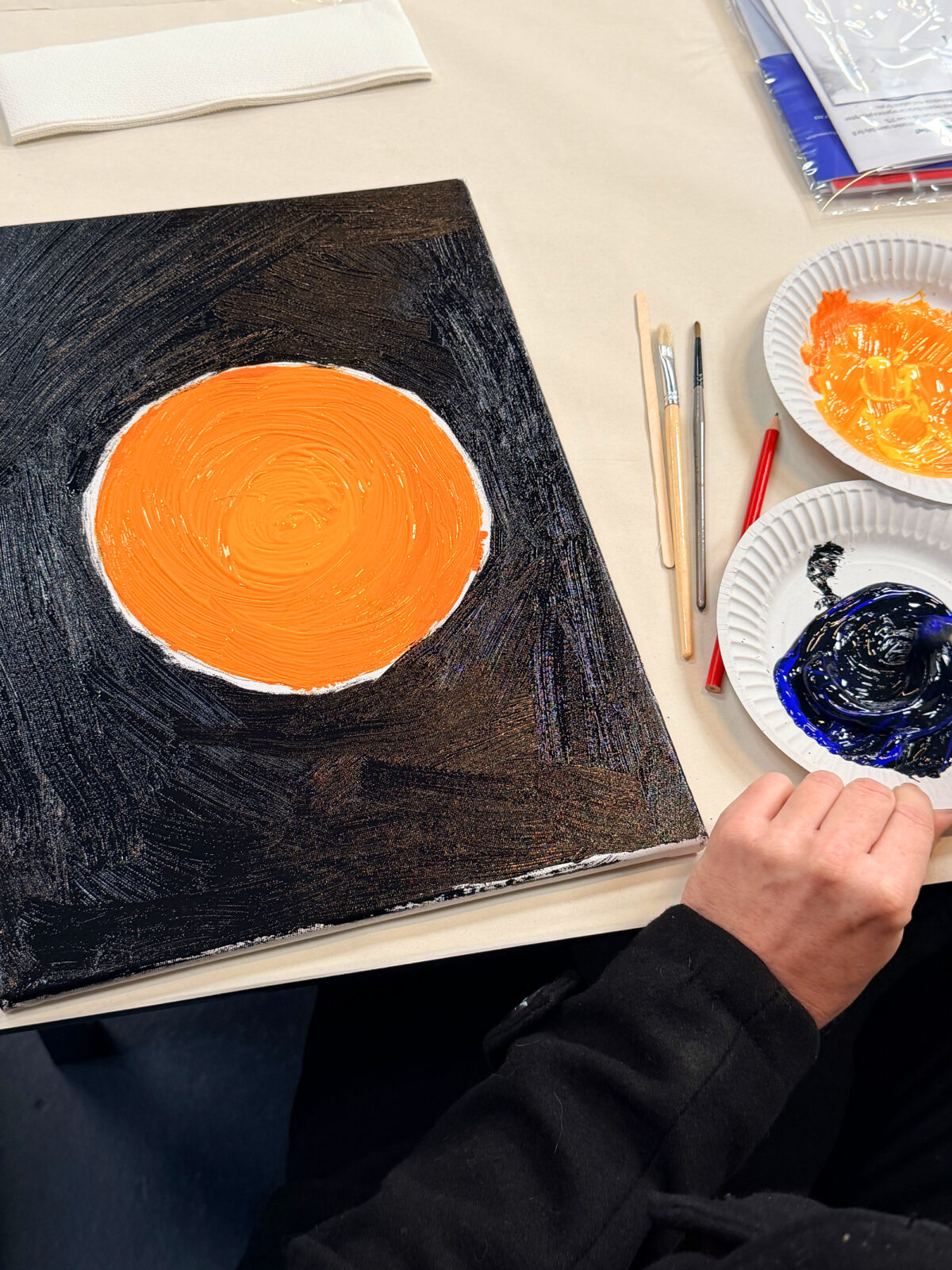
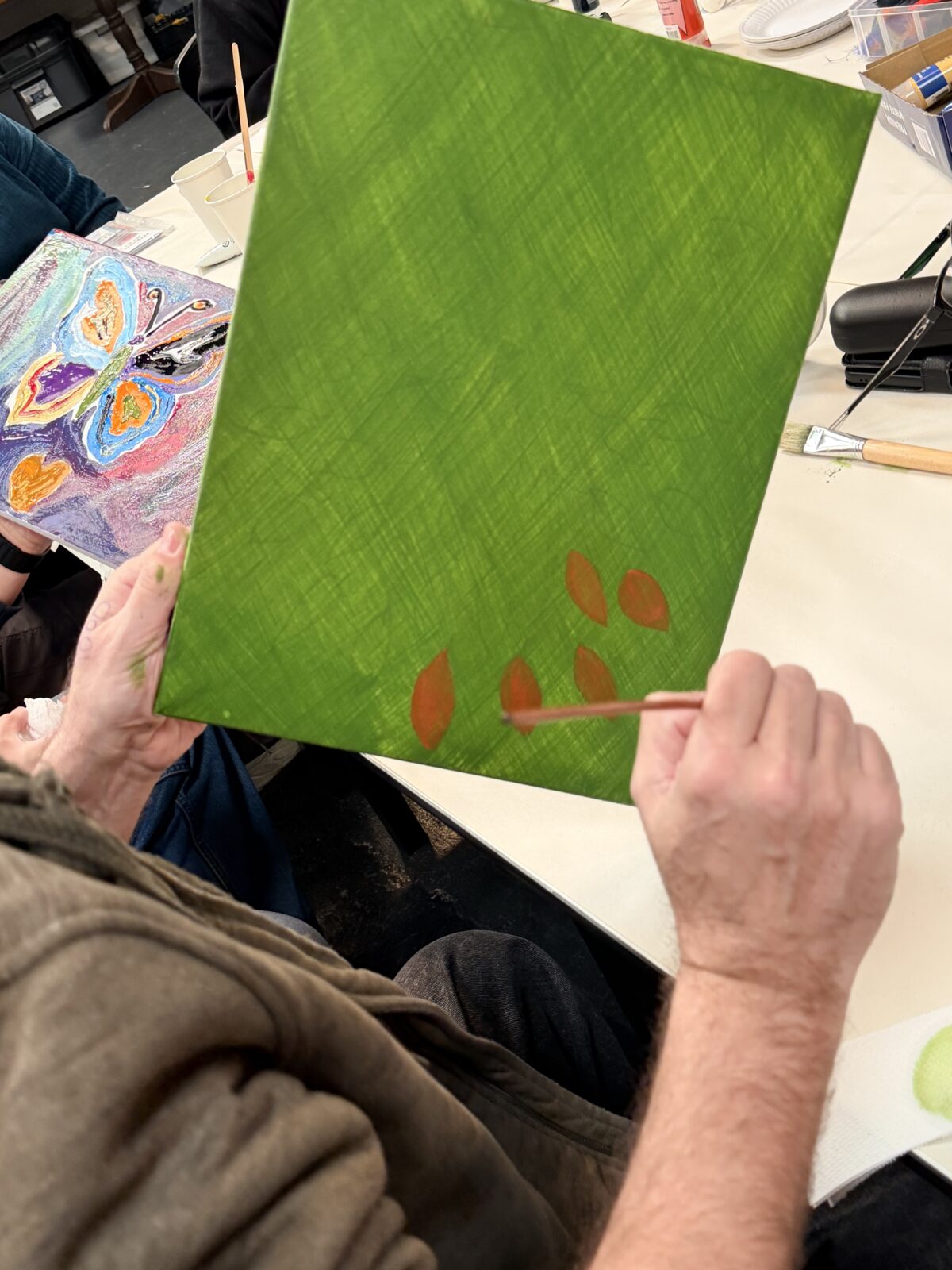
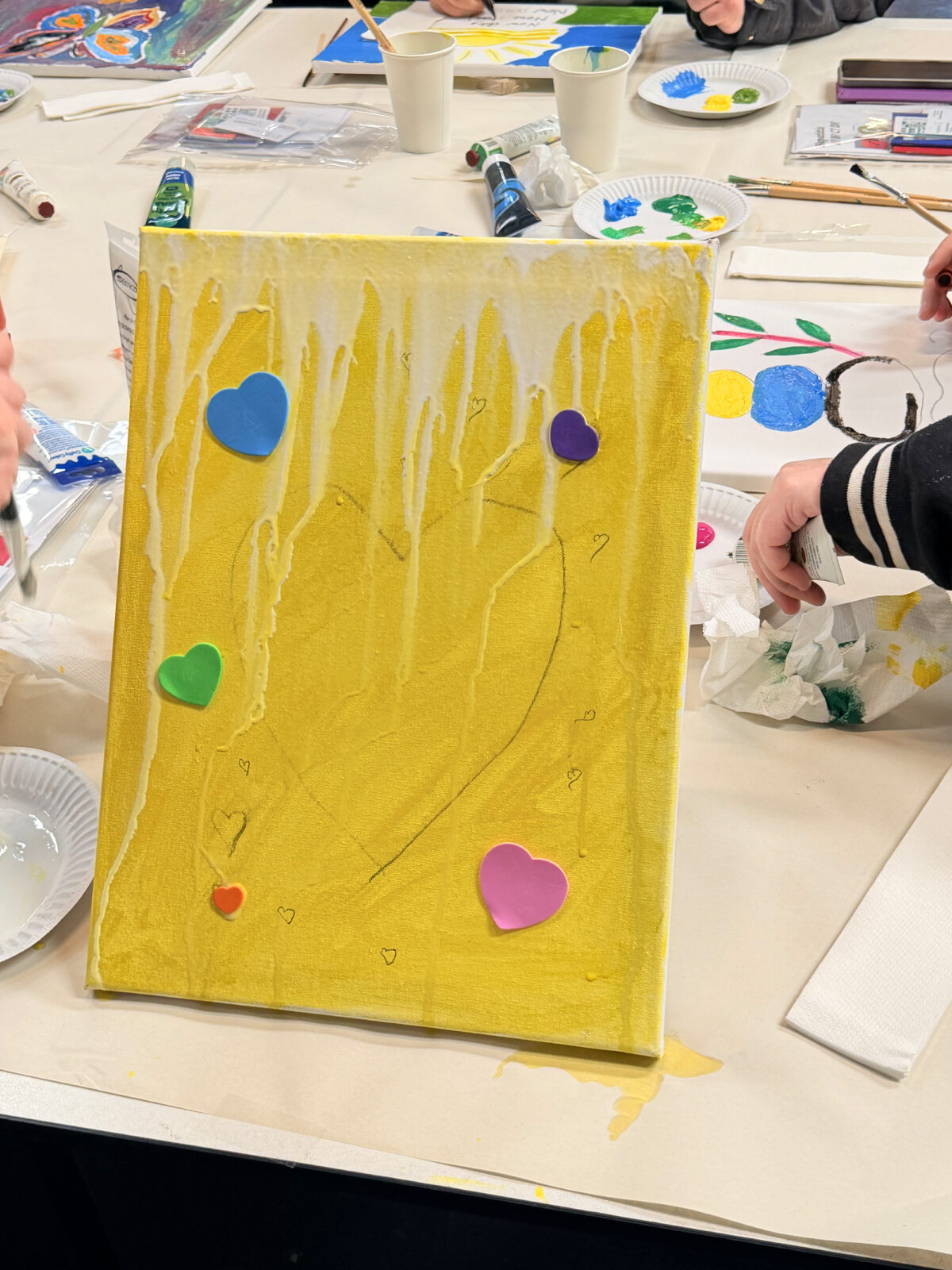
Feedback from participants were overwhelmingly positive.
“I came for the painting but left knowing so much more about hepatitis."

“The session was relaxed, welcoming and I didn't realise I was learning."

“I loved being creative while learning."

“I didn't realise how many myths I believed until today."

“It was a great mix of fun, creativity and useful information."

“I feel like I know more about hepatitis."

“It didn't feel like a health education session: it felt like spending time with friends while learning."

“It was one of the most enjoyable sessions I've attended."
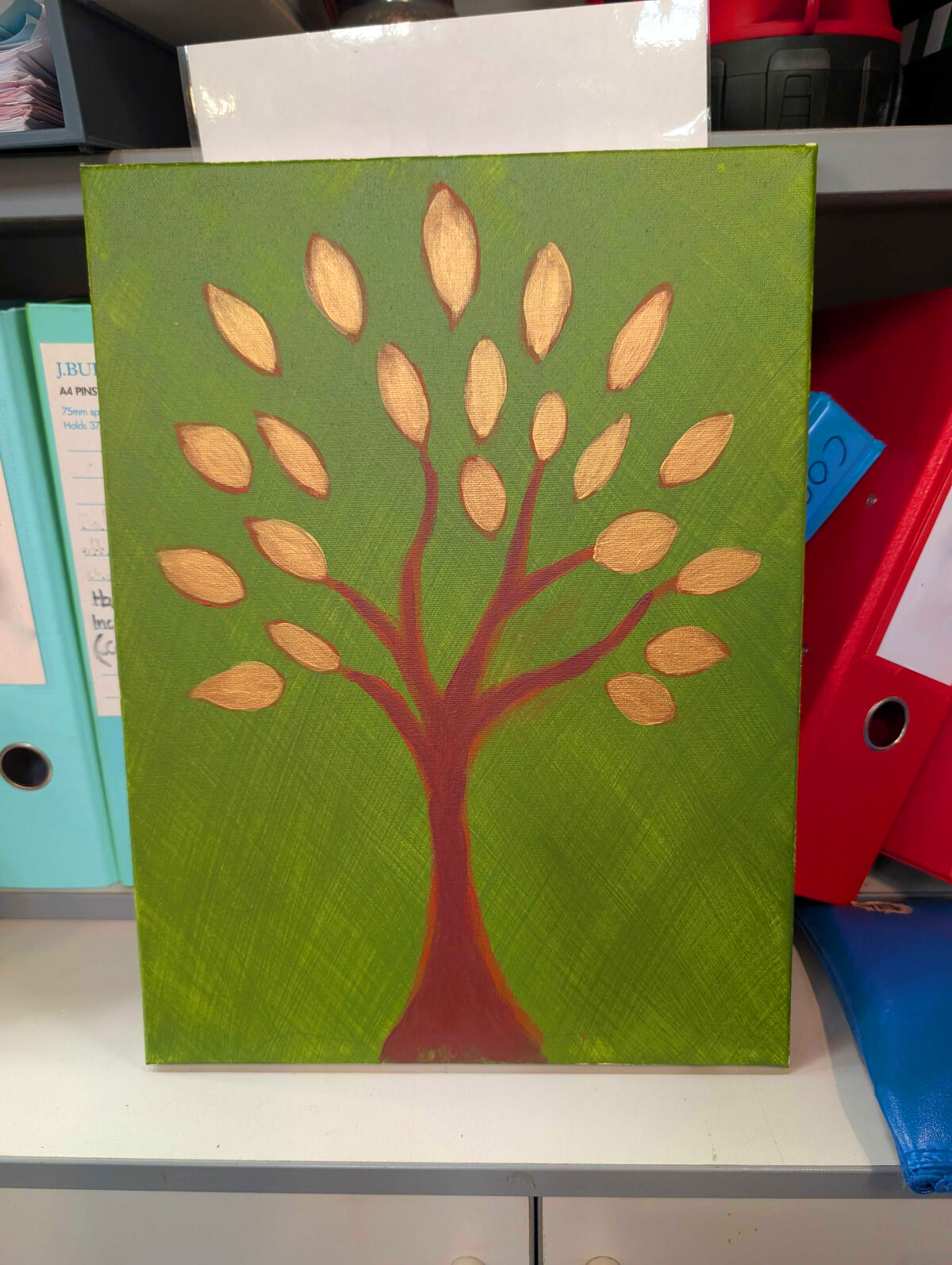
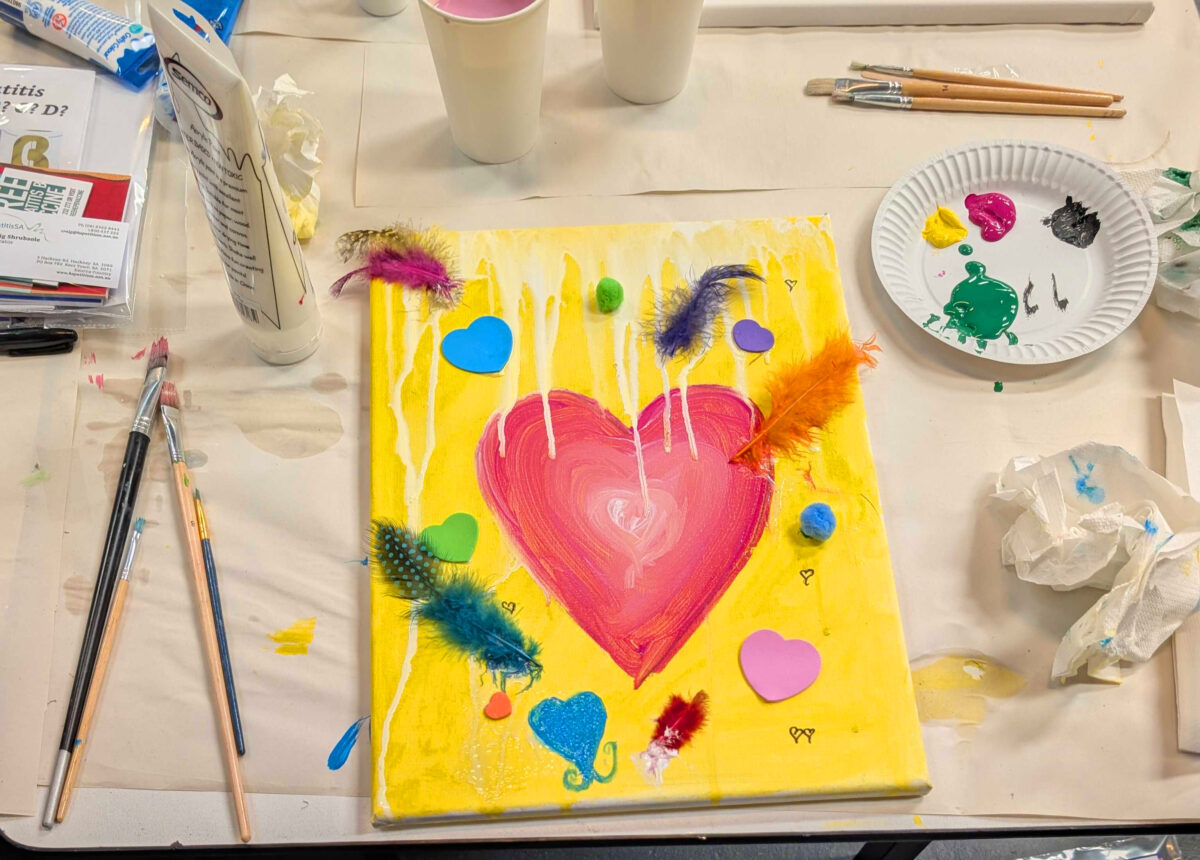
This was the first time the current education team has used this approach. “It puts participants at ease because they’re doing something fun, and they’ve got something to do while they’re listening to you, rather than sitting there passively. It’s a good, informal process that makes information sessions easier to deliver and the content easier for participants to absorb,” said Craig.
“This format combines creative arts, peer engagement and health education in a way that is accessible, non-threatening and trauma-informed, making it particularly suitable for community members living with mental health challenges or other vulnerabilities.”
Last updated 22 July 2026
More from:
Enjoyed this article? Subscribe to be notified whenever we publish new stories.
Subscribe for Updates