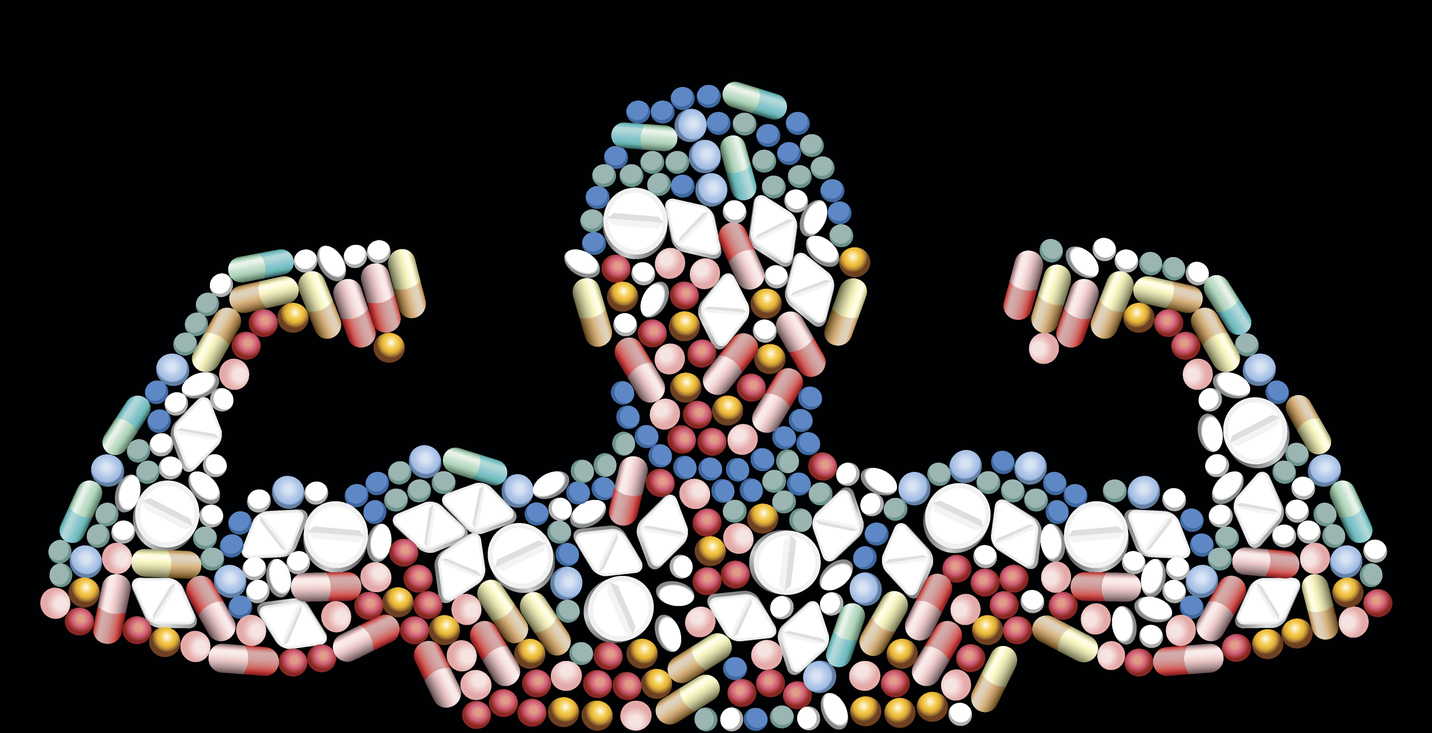
The use of performance and image enhancing drugs (PIEDs) is growing. While reliable data about the number of people in the community who use them is hard to find, PIED consumers have been a growing proportion of those accessing needle and syringe programs (NSPs) for at least the last decade.
PIEDs are a group of drugs used to enhance a person’s physical appearance or athletic performance, rather than the sort of drugs you’d take for a narcotic high. They’re mainly used for non-medical and non-prescribed purposes, and people often take different combinations of PIEDs to achieve different effects. PIEDs are most commonly (but not exclusively) used by younger male athletes or body-builders.

Some drugs used as PIEDs are prescribed by doctors for other medical conditions. However they can be dangerous when used without proper medical supervision as they can cause serious harms.
Commonly used PIEDs include:
- Anabolic androgenic steroids
- Insulin
- Human growth hormone (HGH)
- Human chorionic gonadotrophin (HCG)
- Thyroxine
- Clenbuterol
- Diuretics
- Stimulants (such as more ‘traditional’ drugs like ephedrine, methamphetamine or cocaine)
A good summary of the types of PIEDs and their specific effects and harms can be downloaded here.
… eight per cent are found with hepatitis B, five per cent with hepatitis C and almost one per cent (0.8%) with HIV.
Risks
Because PIEDs can come from many different classes of drugs, the effects they have are very different, and the side-effects of using them can also be both widely varied and very complicated. Combining multiple PIEDs together significantly increases the chances there will be additional side-effects to deal with. The risks tend to be similar for both male and female users.
Some PIEDs are injected, while others are taken in tablet form. Injecting these drugs carries the same risks of blood-borne viruses (BBVs) as using other injectable drugs, unless proper precautions are taken to use fresh, sterile equipment and avoiding sharing equipment with other users.
One study of PIED users found that nine per cent had been infected with hepatitis B and five per cent with hepatitis C, with one and a half per cent infected with HIV. Even after excluding those likely to have been exposed to these viruses through other behaviours, eight per cent are found with hepatitis B, five per cent with hepatitis C and almost one per cent (0.8%) with HIV. (Note that this study tested for antibodies, so these numbers include people who have had a hepatitis virus but then cleared it.)
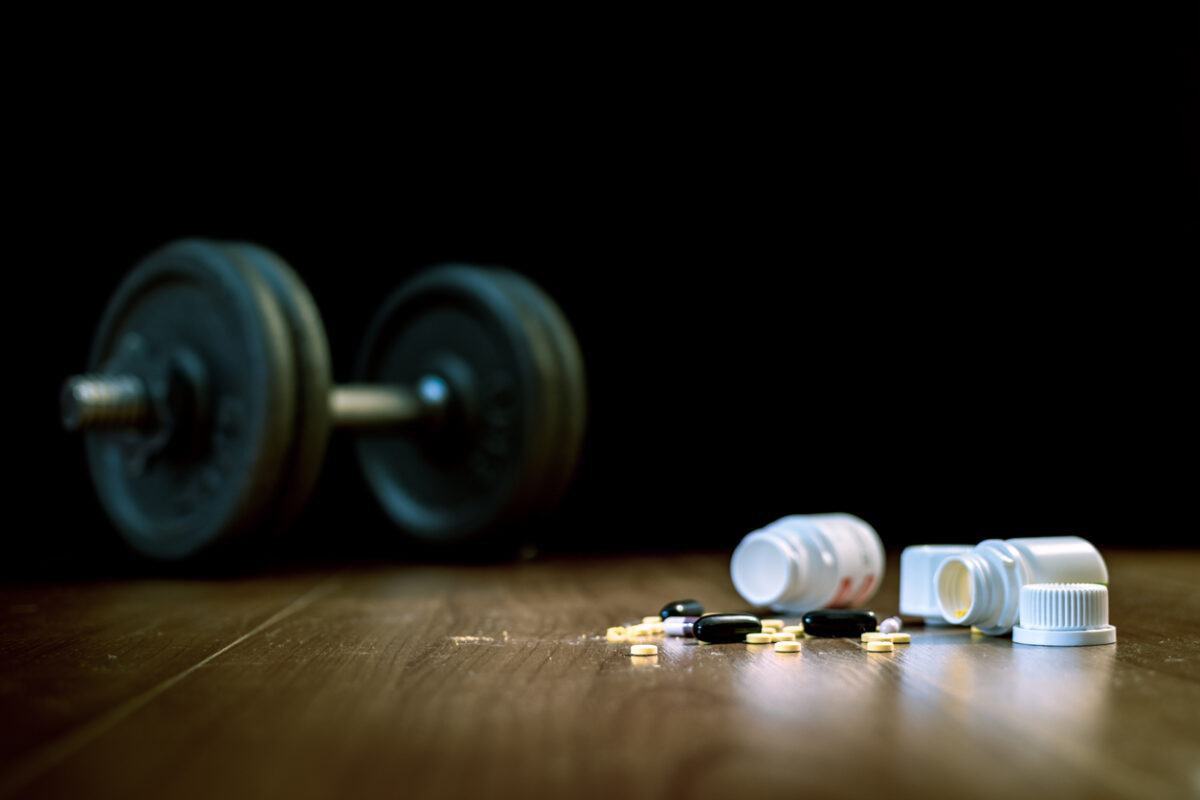
Another risk with PIEDs is the difficulty of actually getting what you pay for. Due to the limited availability of genuine pharmaceutical products, many users will be exposed to black-market products that are either fake (having few, if any, active ingredients), produced without good quality control (so they might be the genuine drug, but in too strong or too weak or too contaminated a form), or actively harmful (containing unsterile or actively poisonous ingredients).
It’s illegal to use, possess, manufacture, supply, or import steroids and many other PIEDs without a prescription or medical licence. The penalties vary for every Australian state and territory. Medical practitioners can only prescribe steroids for legitimate medical reasons. Many PIEDs, like steroids, are banned in competitive sport. Testing positive can result in fines, suspensions, or lifetime bans.
More information is available at La Trobe University’s PIEDs Portal.
Last updated 22 May 2026
More from:
Enjoyed this article? Subscribe to be notified whenever we publish new stories.
Subscribe for Updates