A guest post by Hepatitis Australia
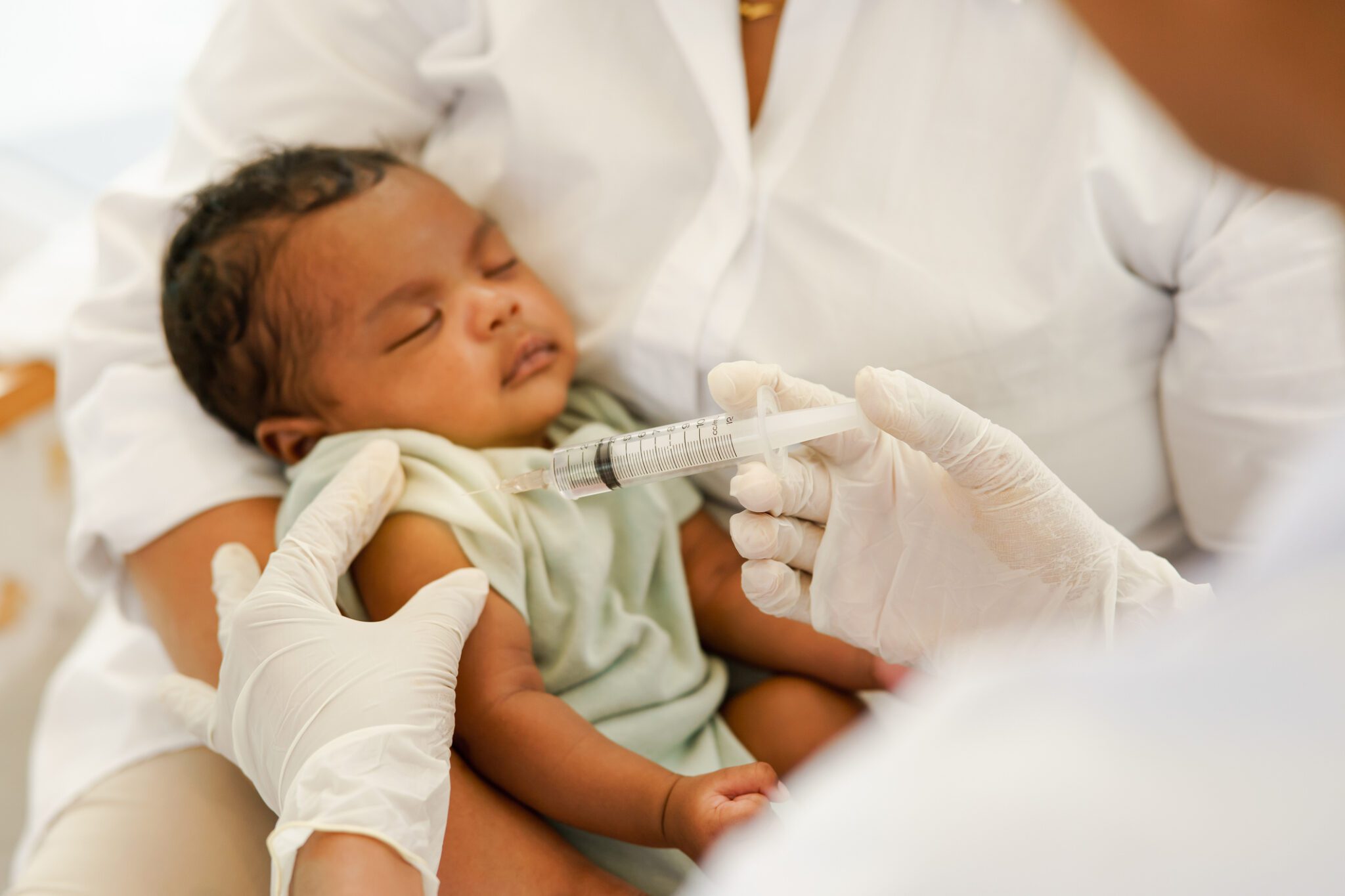
The hepatitis B vaccine given at birth is one of the most effective ways to protect newborns from hepatitis B. If infection occurs at birth, around 90 per cent of babies develop chronic hepatitis B, a lifelong infection that can lead to serious liver disease including cirrhosis and liver cancer later in life. Hepatitis B vaccination within the first 24 hours has been part of Australia’s National Immunisation Program for 25 years, helping to reduce hepatitis B in the Australian population.
Since the nation-wide introduction of the hepatitis B vaccine for newborns in 2000, Australia has seen a five-fold decrease in newly acquired hepatitis B infections, demonstrating the effectiveness of early protection.
Completing the full vaccine series is important, as hepatitis B can be transmitted from household contacts who have hepatitis B through close contact with blood or body fluids. Up to 50 per cent of children infected in childhood acquire hepatitis B from family members who may not know they are infected, as the virus often causes no symptoms. The birth dose, followed by scheduled doses at 2, 4 and 6 months, helps safeguard infants at birth and throughout early childhood, reducing the risk of developing chronic hepatitis B.

In recent years, Australia has seen a decline in the recording of birth-dose vaccination, which makes it harder to track true coverage and ensure all newborns are receiving early protection, particularly Aboriginal and Torres Strait Islander babies who face a higher burden of hepatitis B.
In some settings internationally, there has been public commentary questioning established hepatitis B birth-dose policies1, despite strong evidence supporting the vaccine’s safety and effectiveness. This highlights the importance of maintaining clear, evidence-based guidance.
In Australia, the importance of early protection has been reaffirmed by the Australian Technical Advisory Group on Immunisation (ATAGI)2, to ensure national recommendations reflect the best available evidence on the hepatitis B birth dose. Hepatitis Australia and ASHM have brought together leading Australian hepatitis B experts in support of the ATAGI advice that hepatitis B vaccination for newborns is safe, effective and necessary in Australia.
Timely hepatitis B vaccination at birth, together with completing the childhood schedule, helps reduce hepatitis B across the population and supports Australia’s progress toward eliminating viral hepatitis by 2030. Strengthening the recording of the birth dose will further support prevention across all communities.
- https://www.hepatitisaustralia.com/news/joint-media-release-hepatitis-australia-and-ashm-respond-to-the-united-states-proposal-to-scrap-infant-hepatitis-b-vaccinations ↩︎
- https://www.health.gov.au/resources/publications/atagi-statement-on-the-importance-and-safety-of-hepatitis-b-vaccine-at-birth?language=en ↩︎
Last updated 26 February 2026
More from:
Enjoyed this article? Subscribe to be notified whenever we publish new stories.
Subscribe for Updates