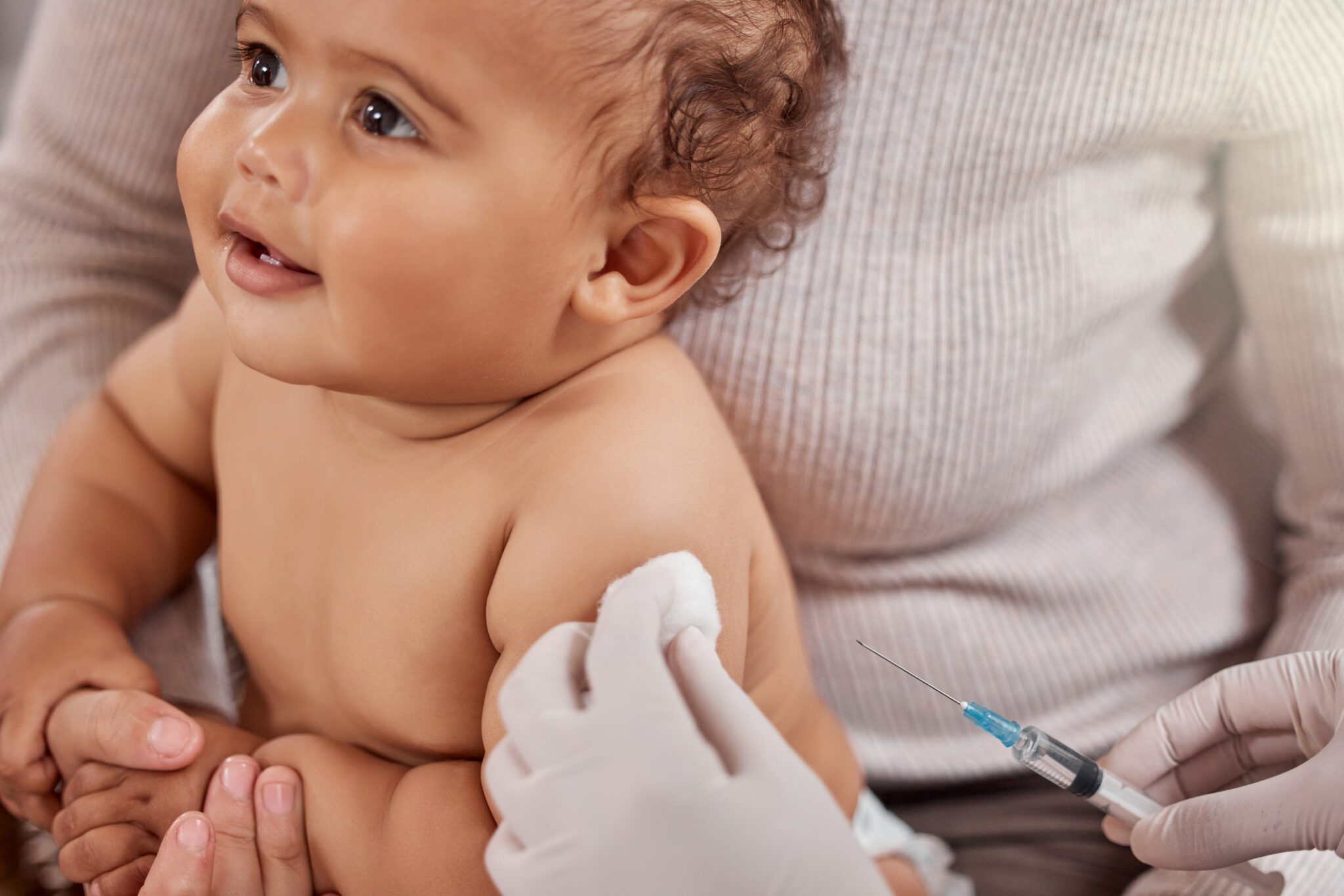
Hepatitis Australia, ASHM and the Australian Technical Group on Immunisation (ATAGI) are urging Australians to maintain routine hepatitis B vaccinations for newborns following the alarming news that the advisory panel to the US CDC has stopped recommending routine hepatiti B vaccination for newborns born in the United States.
This reverses the long-standing recommendation that all medically stable newborns who meet a weight threshold receive their first dose of hepatitis B vaccine within 24 hours of birth. The change has sparked significant concern among health experts both in Australia and worldwide.

In a statement issued on 8 December, Hepatitis Australia and ASHM urged Australians to maintain routine hepatitis B vaccinations for newborns, pointing out that since routine childhood vaccination began in Australia, hepatitis B rates in young people have fallen by a staggering 60 per cent.
This was followed on 11 December by a statement from ATAGI affirming the importance and safety of hepatitis b vaccine at birth.
ATAGI advice remains unchanged
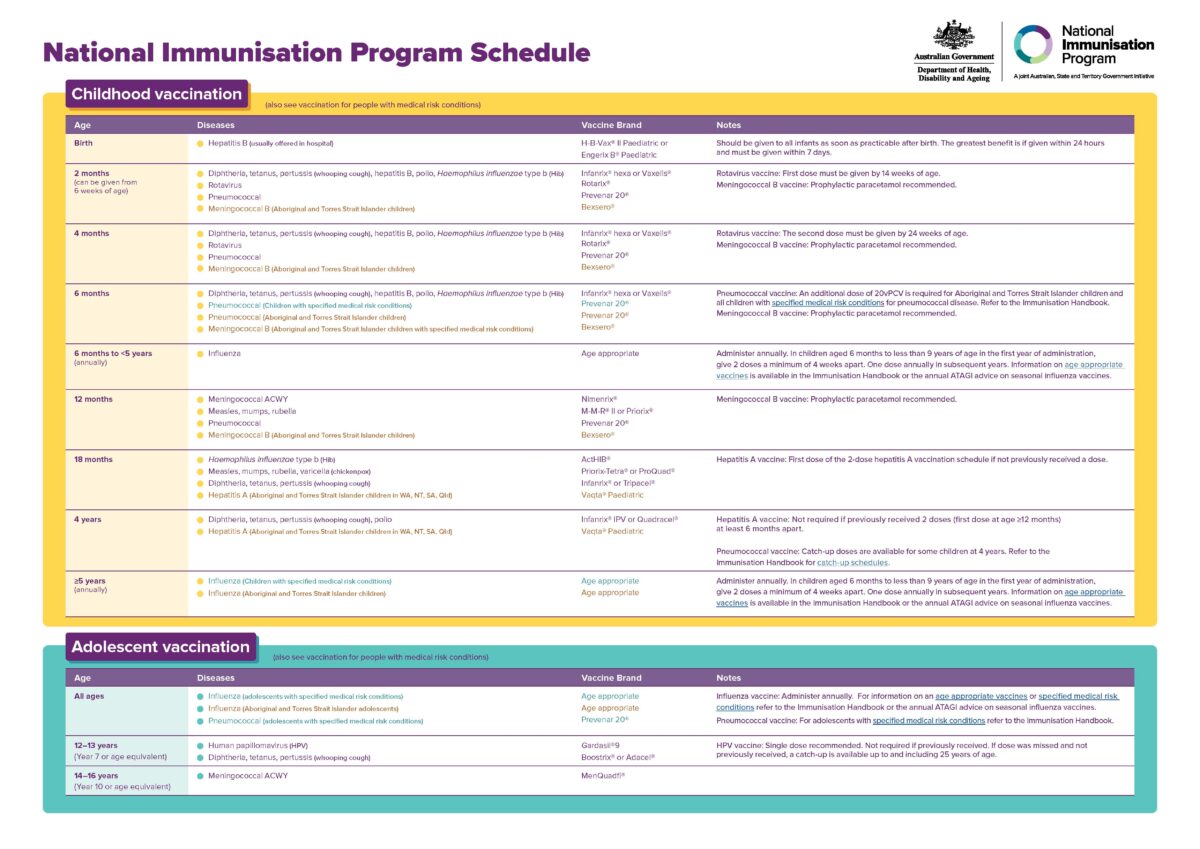
The ATAGI statement confirms the recommendation that infants receive four doses of hepatitis B vaccine, starting with one dose of monovalent hepatitis B vaccine at birth, and a further 3 doses of a hepatitis-B containing vaccine at 2, 4 and 6 months of age. Low birthweight and pre-term newborns are recommended to receive a fifth dose at 12 months of age to ensure adequate protection.
The statement further reiterates ATAGI’s reasons for recommending the vaccine, regardless of the birth mother’s hepatitis B status. These include the possibility of the pregnant person’s hepatitis B status being missed, and the extremely high risk of babies developing lifelong hepatitis B when infected at birth. (Read the full ATAGI statement.)
ATAGI reiterated the importance that all children complete the full hepatitis B vaccine series, as household transmission remains a significant risk. “This early protection is a key part of Australia’s National Immunisation Program, helping reduce hepatitis B among children and into adulthood.
“Up to 50 per cent of children who become infected in childhood have acquired hepatitis B infection from household contacts who did not themselves know they were infected.
Since the nationwide introduction of the hepatitis B vaccine for newborns in 2000, there has been a 5-five-fold decrease in the number of newly-acquired hepatitis B infections diagnosed each year, demonstrating the vaccine’s effectiveness in protecting young Australians.”
The vaccine is safe and works
Hepatitis Australia CEO, Lucy Clynes, said it was vital for Australians to focus on the clear evidence and the strong track record of the hepatitis B vaccine in Australia for safety and effectiveness.
“Australia’s hepatitis B vaccination program is safe, effective and has been proven to save lives.
“The birth dose remains an essential part of protecting babies from a virus that can quietly cause lifelong liver damage and even fatal liver cancer.
“Parents should know that there is no suggestion of any change to Australian recommendations. The evidence supporting birth dose vaccination is overwhelming and continues to be endorsed by Australia’s foremost medical experts.”
Ms Clynes said the hepatitis B vaccine has been safely used for more than 40 years and has a very strong track record.
“Babies tolerate the birth dose very well, with only mild and short-lasting side effects reported in a small number of cases. Protection begins immediately and lasts well into adolescence and adulthood.
“The birth dose has been recommended since 2000 and is provided free as part of the National Immunisation Program. Australia recommends four doses before six months of age, beginning within 24 hours of birth when the infant is medically stable.”
The risk to babies is real
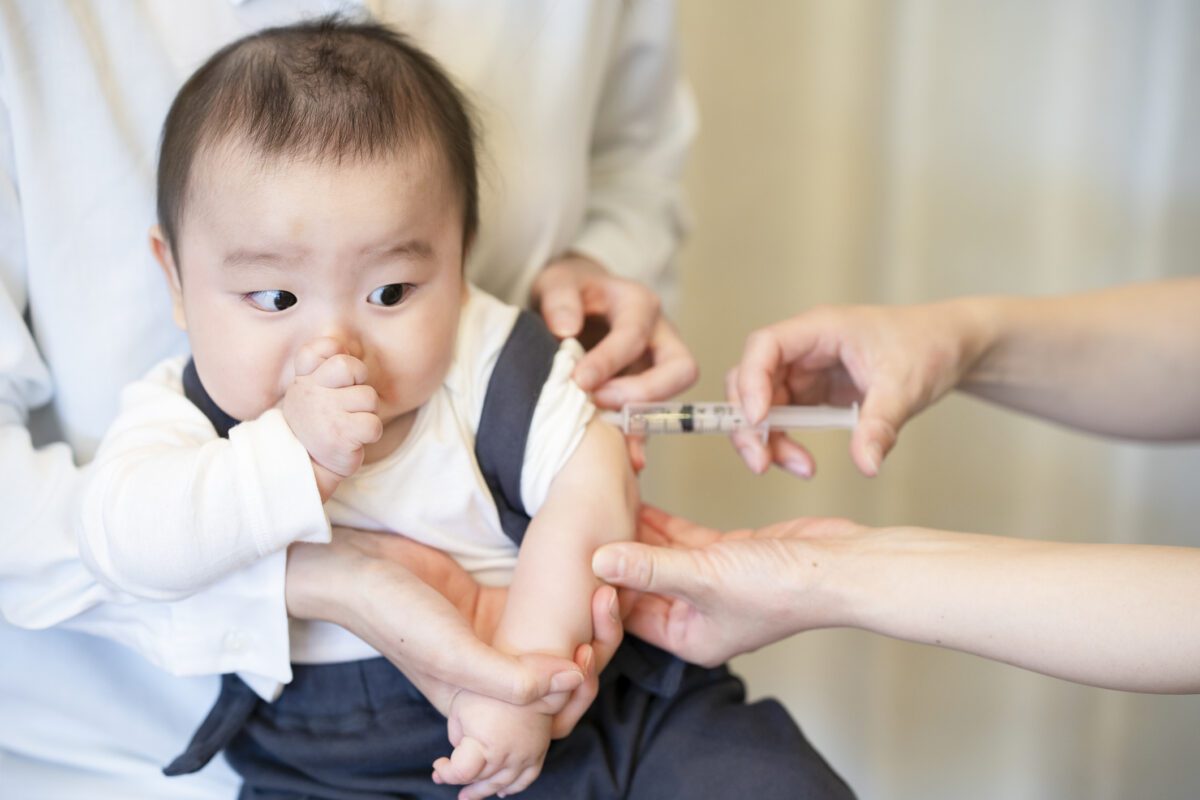
Professor Jane Davies, an infectious diseases expert who chairs Hepatitis Australia’s Research and Clinical Advisory Group, said hepatitis B can be passed from mother to child during birth.
“Without vaccination, babies who are exposed to the virus have around a 90 per cent chance of developing chronic hepatitis B. Chronic infection can lead to liver scarring, liver cancer and serious lifelong illness. Early vaccination offers powerful protection against these outcomes.
“At the moment] 93 per cent of Australian one-year-olds are vaccinated against hepatitis B. Since the introduction of routine childhood vaccinations, hepatitis B cases among young people have dropped by 60 per cent.
“Communities are better protected, and Australia is making good progress toward the long-term goal of eliminating hepatitis B transmission.”
Australia’s program is working and saving lives
ASHM CEO Alexis Apostolellis said the hepatitis B vaccination program has been a critical public health success, and parents should feel confident about continuing to follow local vaccination guidance.
“We know childhood hepatitis B vaccination works. The decline in hepatitis B among Australians aged under twenty is a direct result of sustained and evidence-based public health policy.
“Parents deserve clarity. The evidence supporting the hepatitis B birth dose vaccine is extremely strong. It is supported by Australia’s foremost medical specialists and international health authorities. It remains one of the most effective tools we have to prevent babies from developing chronic hepatitis B.”
Anyone seeking further information about hepatitis B or vaccination can call the helpline 1800 437 222 for free and confidential advice.
Last updated 15 January 2026
More from:
Enjoyed this article? Subscribe to be notified whenever we publish new stories.
Subscribe for Updates