
We’ve written a lot here recently about the birth-dose vaccine program for hepatitis B. Under this system, which holds in Australia and many other developed countries, all medically stable newborns who meet a weight threshold receive their first dose of hepatitis B vaccine within 24 hours of birth.
However, federal medical authorities in the United States, motivated by hard-line anti-vaccine beliefs unsupported by evidence, and pushed by President Trump and Secretary of Health Kennedy, recently abandoned this idea in the name of “parental choice”.
The illness and the damage in lives that will come from this change is hard to overstate. One model calculates that merely delaying the first vaccine shot from birth to two months would lead to at least 1,400 extra infections, 300 extra cases of liver cancer, and 480 extra deaths every year in the US.
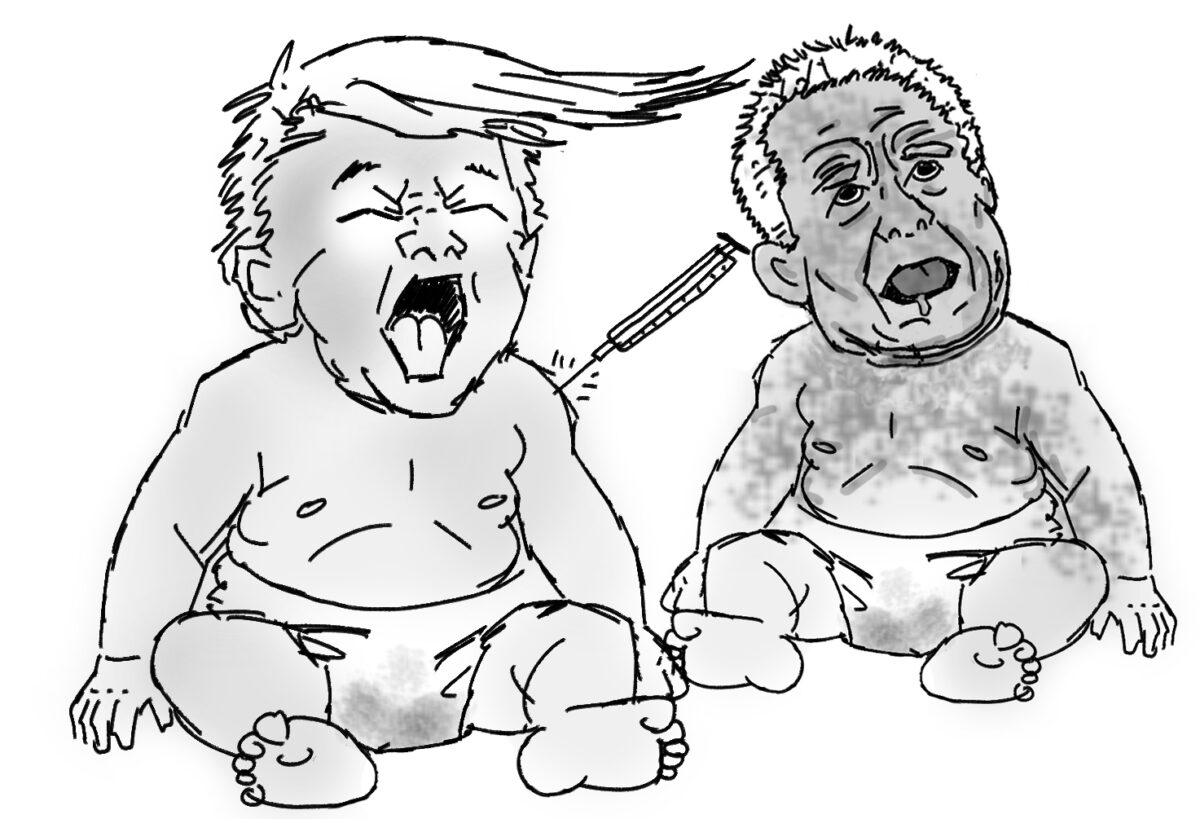
It’s no surprise that this change has sparked significant concern among health experts both in Australia and worldwide. Remarkably, the story gets even worse from here.
It has come to light that the US Center for Disease Control and Prevention (CDC) had funded a study on the “safety” of the hepatitis B vaccine (something already proven time and time again), a study which involves running an experiment on 14,000 babies in the West African nation of Guinea-Bissau.
7,000 newborns would deliberately be put at risk … in an attempt to validate the current US administration’s apparent ideological hostility towards vaccines.
Under the guise of a regular vaccination program, this study would vaccinate half of the babies at birth, and delay the first vaccination of the other 7,000. In other words, 7,000 newborns would deliberately be put at risk—newborns in a poor country far away from America—in an attempt to validate the current US administration’s apparent ideological hostility towards vaccines.
This study would be run by a group, chosen without competitive tender, who have a track record of fudging their results and failing to publish their evidence. For example, out of 25 of their published studies, 22 fell apart under independent examination.
Exploiting Scarcity
The World Health Organization has condemned this proposed trial, noting that it is “inconsistent with established ethical and scientific principles”. They state that “the hepatitis B birth dose vaccine is known to have a proven safety record across decades of use and is effective in preventing 70–95% of cases of mother‑to‑child transmission.
“A study which provides the hepatitis B birth dose vaccine, a proven lifesaving intervention, but withholds it from some study participants, exposes newborns to serious and potentially irreversible harm, including chronic infection, cirrhosis, and liver cancer”, and that “placebo or no‑treatment vaccine trials are only acceptable when no proven intervention exists or when such a design is indispensable to answer a critical question of efficacy or safety. Neither condition appears to be met based on publicly available descriptions of the study.”
They also make the point that “exploiting scarcity is not ethical: resource constraints cannot be used to justify withholding proven care in a research study involving people. Ethical obligations require minimizing risk and ensuring a prospect of benefit for participants. From what is publicly described, the protocol does not appear to ensure even a minimum level of harm reduction and benefit to the study participants (e.g. screening pregnant women and vaccinating newborns exposed to hepatitis B).”
Halted
In late January there were reports that Guinea-Bissau’s government had finally taken note of pressure from the global health community and were going to cancel the experiment. However, officials at the US Department of Health and Human Services, which awarded funding for the controversial study, maintained that it would proceed as planned.
However, there are now reports that Guinea-Bissau has officially binned the whole scheme. Guinea-Bissau’s foreign minister, Joao Bernardo Vieira, told Reuters that the trial had been halted. “It’s not going to happen, period,” Vieira said.
We can only hope that this is true, and that no other group of children will be sacrificed to satisfy the unscientific prejudices of the current US administration. Furthermore, we hope that reason will prevail, and that the hepatitis B birth dose program will return to the US as soon as possible.
Last updated 11 March 2026
More from:
Enjoyed this article? Subscribe to be notified whenever we publish new stories.
Subscribe for Updates