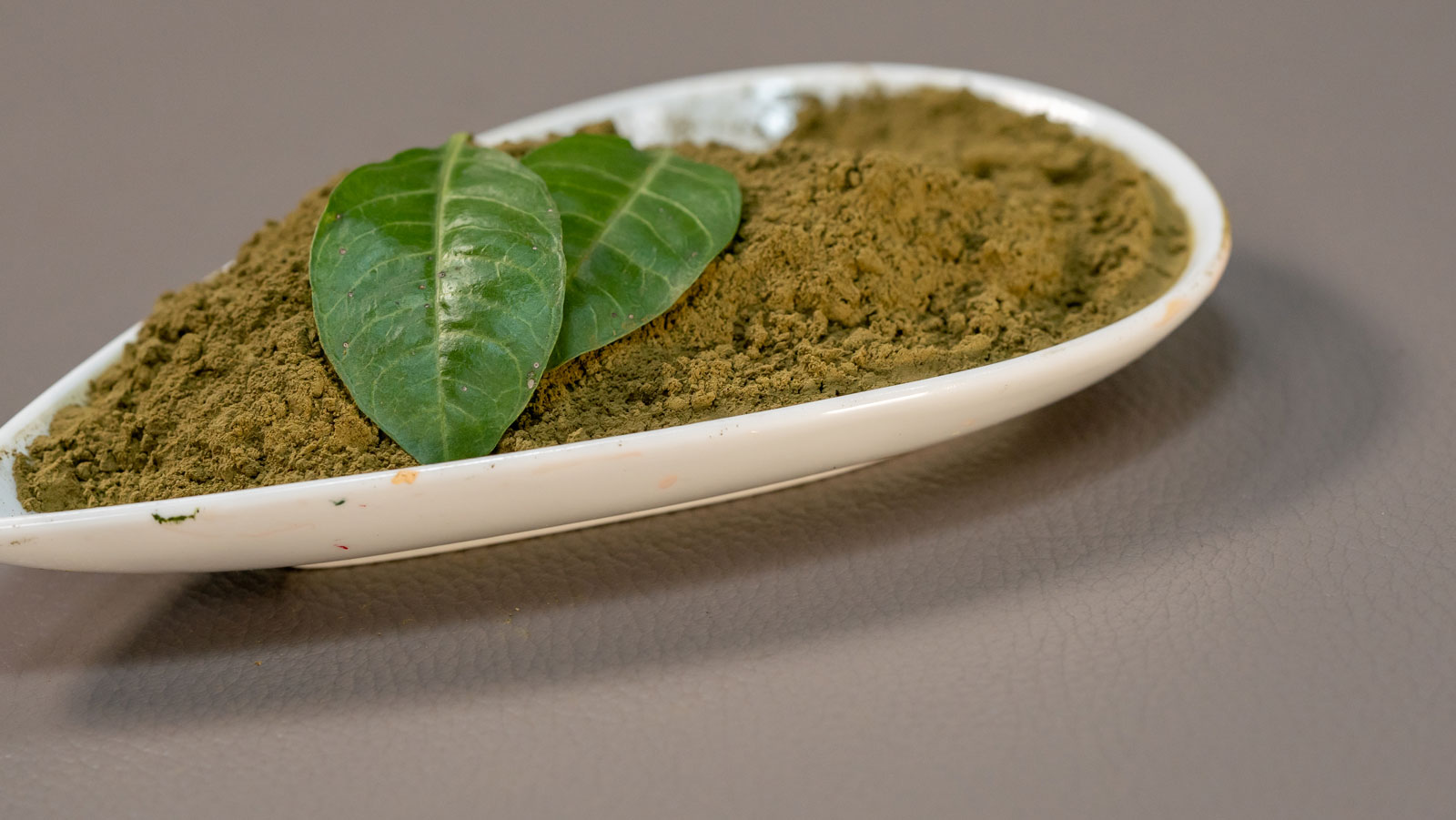
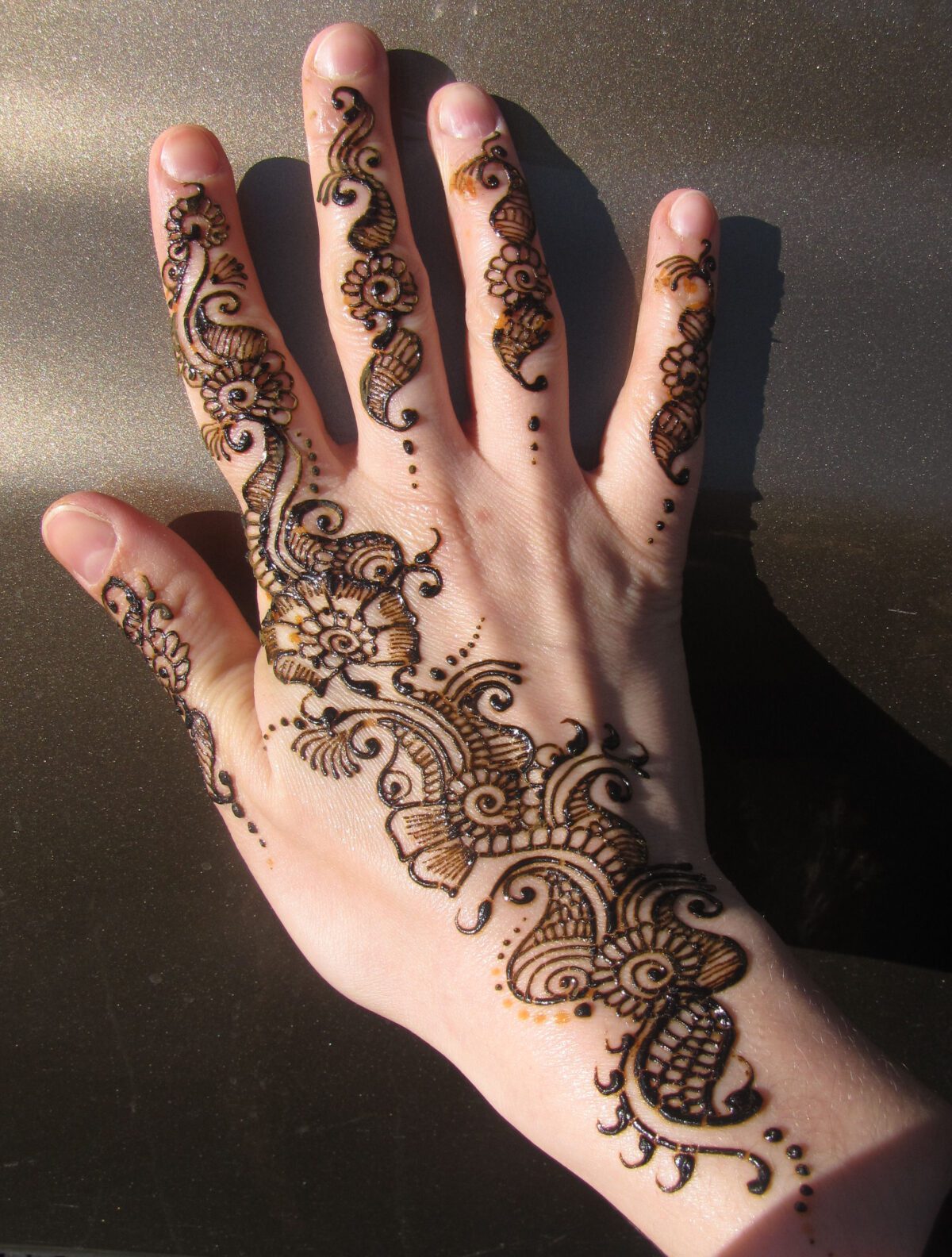
Henna is natural dye, orange-red in colour, made from the powdered leaves of Lawsonia inermis and was being used in body art, and as a dye for hair, nails and skin, at least as long ago as Ancient Egypt. Now a new study suggests that these same henna pigments could be used for another purpose: treating liver disease.
Liver fibrosis is a disease that causes excess fibrous scar tissue to build up in the liver as a result of chronic liver injury, and is well known as a symptom of living long-term with hepatitis. Patients with liver fibrosis have increased risks of cirrhosis, liver failure, and cancer.
Fibrosis is caused by hepatic stellate cells (HSCs), which are usually a good thing–they maintain balance in the liver. But when too many are activated, which can happen when a liver is damaged, they produce excessive fibrous tissue and collagen, disrupting normal liver function.
Researchers led by Associate Professor Tsutomu Matsubara and Dr. Atsuko Daikoku at the Graduate School of Medicine, Osaka Metropolitan University, developed a chemical screening system that identifies substances that directly act on activated HSCs. Using the system, they identified Lawsone, an acid derived from the henna tree, as a potential inhibitor of HSC activation.
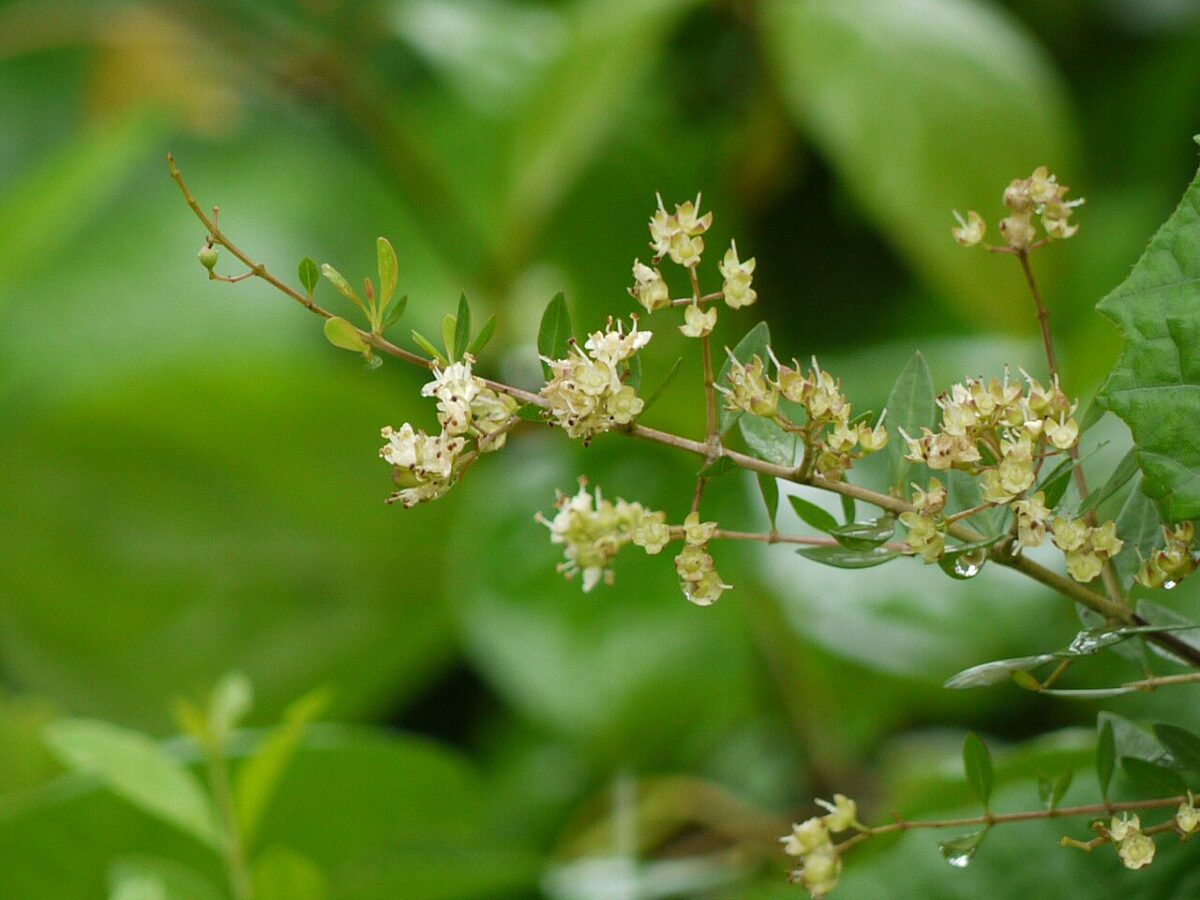
Animal tests followed. When the researchers administered Lawsone, the mice that received the treatment showed reductions in the biochemical markers of liver fibrosis. They also found upregulated cytoglobin, a marker associated with antioxidant functions in HSCs, suggesting that the HSCs were reverting back toward the non-overactive and non-fibrosis-causing type.
The professors believe that by making drugs based on Lawsone, they could create the first treatment that controls and even improves fibrosis. “We are currently developing a drug delivery system capable of transporting drugs to activated HSCs and ultimately hope to make it available for patients with liver fibrosis,” Matsubara said. “By controlling fibroblast activity, including HSCs, we could potentially limit or even reverse the effects of fibrosis.”
Their research was published in September in the journal Biomedicine & Pharmacotherapy.
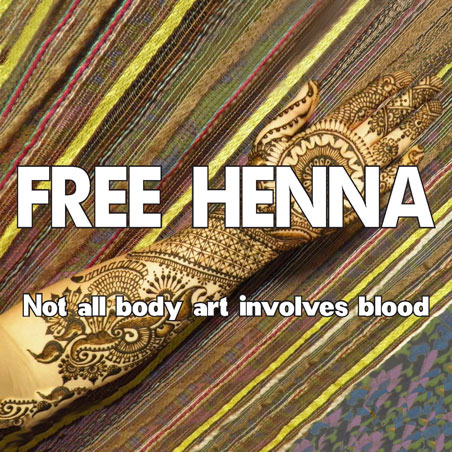
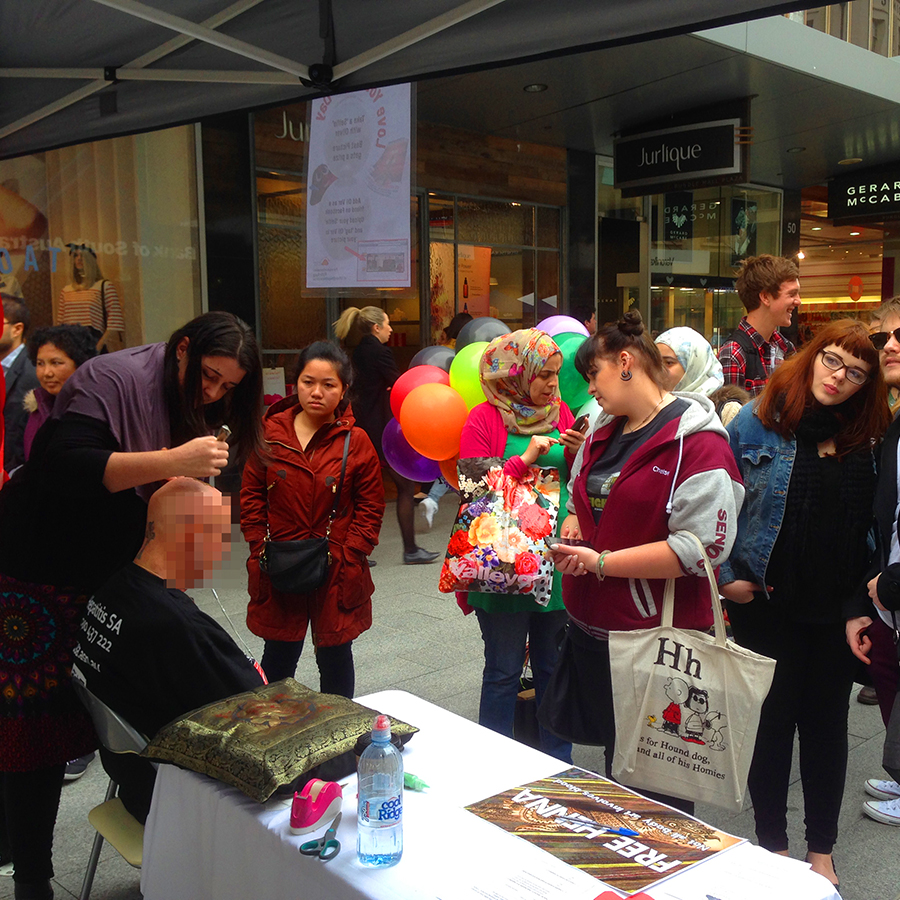
Ironically, Hepatitis SA has long used free henna tattoos by skilled artists at our information stalls, as a way of teaching people about blood-safe body art. Little did we know that this same substance might one day be used to treat livers!
Last updated 9 December 2025
More from:
Enjoyed this article? Subscribe to be notified whenever we publish new stories.
Subscribe for Updates