The Australian Government is funding a new hepatitis C awareness campaign to be piloted in Tasmania, as part of national efforts to identify and treat people who may be living with the virus without knowing it.
Australia has made significant progress toward eliminating hepatitis C as a public health threat by 2030. Treatments are fully subsidised through the Pharmaceutical Benefits Scheme (PBS) and cure more than 95% of cases, usually within 8 to 12 weeks.

However, many people remain unaware they may have been exposed, particularly those who had medical or cosmetic procedures overseas, received blood transfusions before 1990, injected drugs at some point, or got tattoos in informal settings.
“Hepatitis C is curable, and no one should feel judged or ashamed to ask for a test,” explained federal Assistant Minister for Health and Aged Care, Rebecca White. “Stigma is still one of the biggest barriers to treatment and it shouldn’t be. A simple blood test is all it takes to find out if you have hepatitis C. The treatment is safe, fully subsidised and cures more than 95% of cases. If you think there’s even a small chance you could have been exposed, at any point in your life, talk to your GP. You don’t need to explain why you want the test.”
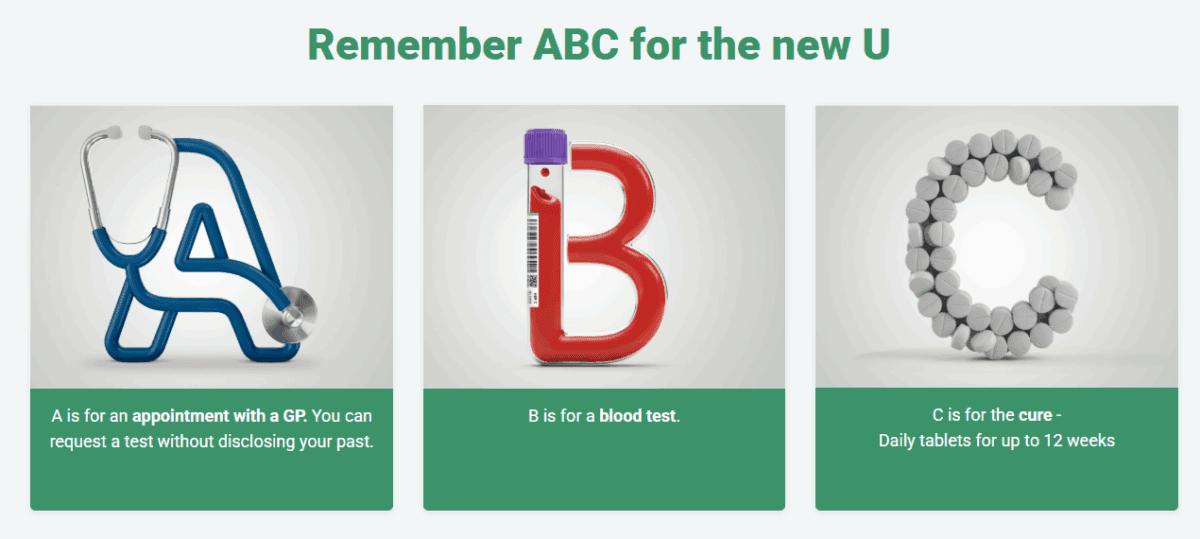
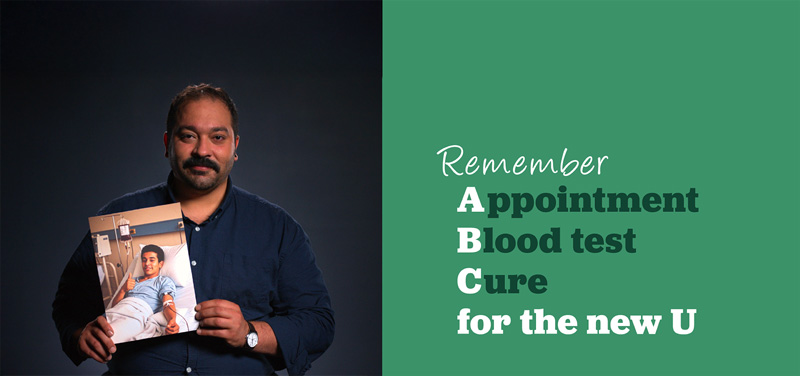
The Appointment, Blood Test, Cure – ABC for the New U campaign, developed by Hepatitis Australia in partnership with the Tasmanian Council on AIDS, Hepatitis and Related Diseases (TasCAHRD), aims to reach people who may not realise they are at risk and encourage them to seek testing.
Tasmania has been selected as the pilot site due to having higher hepatitis C prevalence than the national average. Insights from the Tasmanian rollout will help inform further expansion across other states and territories.
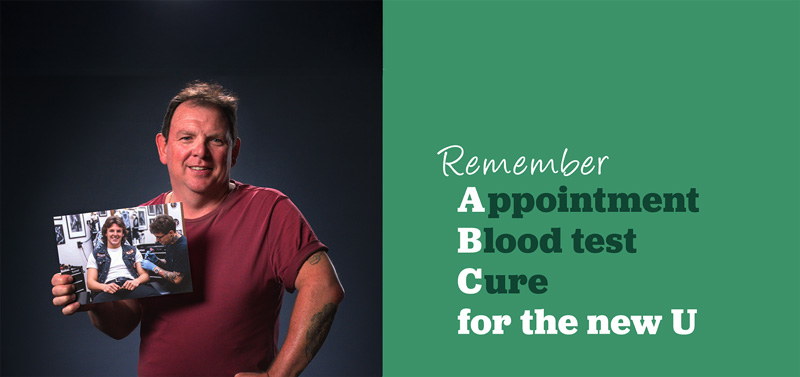
The campaign also aligns with International Men’s Day, recognising that men aged 40 to 65 are more likely to be living with hepatitis C without symptoms.
Testing is simple and can be arranged through a GP or via HepLink, which provides free and confidential support. Diagnosis and treatment can prevent cirrhosis, liver cancer and other serious complications.
Last updated 28 November 2025
More from:
Enjoyed this article? Subscribe to be notified whenever we publish new stories.
Subscribe for Updates